Commission finds discrimination after state cut users’ personal-assistant hours
KSZD says Ministry and local Centers for Social Work reduced the statutorily guaranteed 80 weekly hours without medical re-evaluation or home visits and ordered remedial assessments within 90 days.
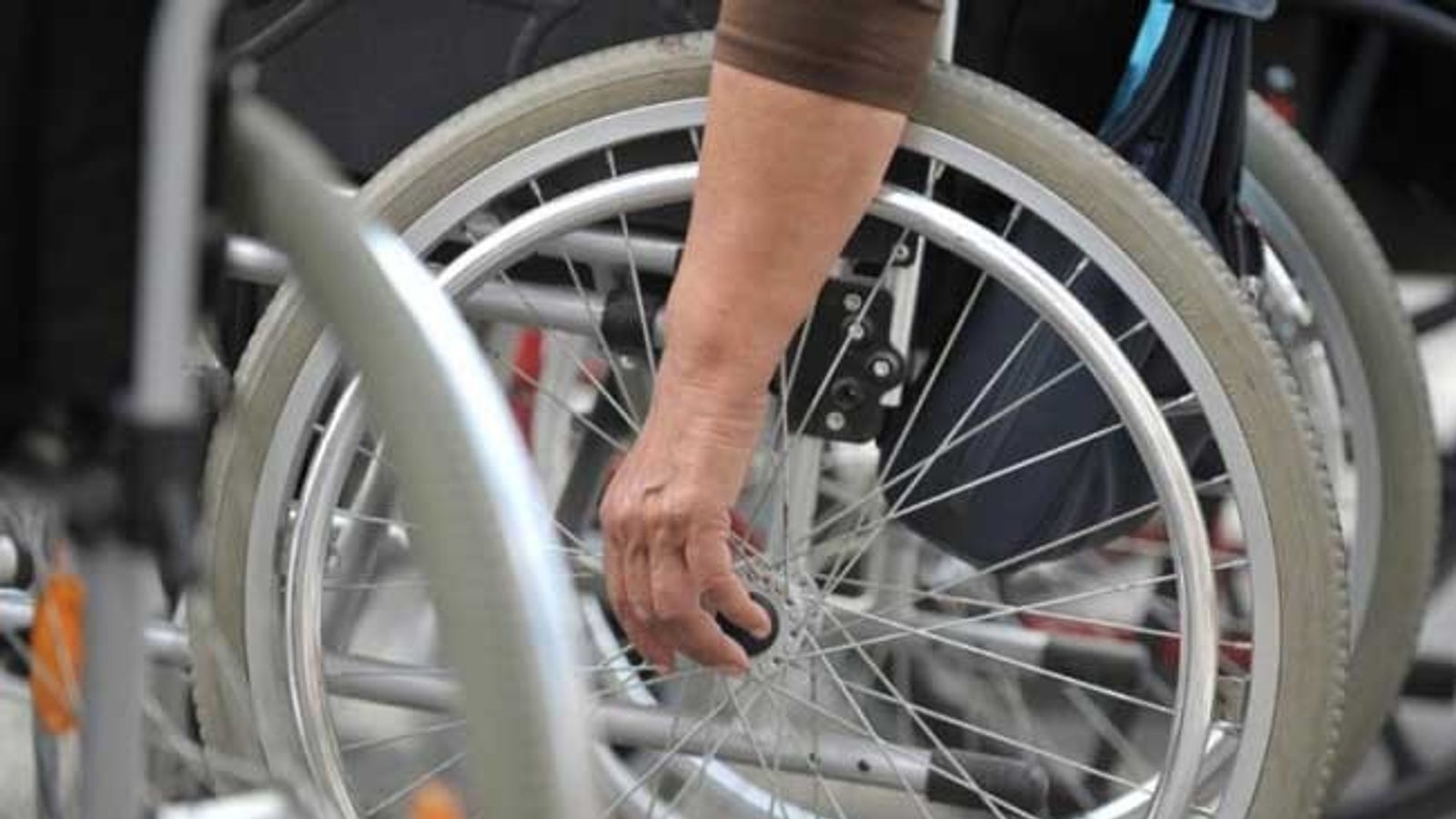
The Commission for Prevention and Protection against Discrimination (KSZD) has concluded that users of the personal-assistance service were subjected to discrimination after state bodies cut the legally guaranteed weekly 80 hours for immobile or severely mobile adults without medical re-evaluation or home inspection.
The finding names the Ministry of Social Policy, Demography and Youth and the relevant Center for Social Work (CSW) as responsible for decisions that, the Commission says, put dependent people at risk of losing basic functioning and being pushed into poverty.
More than 40 users of the service — supported in March by 26 assistants — filed signed complaints with the Commission seeking protection; because of the seriousness of the allegations the KSZD opened proceedings ex officio.
What the Commission found
The Commission says the cuts went beyond isolated administrative adjustments: they amount to the removal of statutory entitlements, including the 80 hours per week for adult immobile or severely mobile persons, the right to educational assistants for children with disabilities, and other rights these citizens previously received. The KSZD documented cases in which decisions were made without home visits or medical assessments and where expert panels demanded repeated annual proof of a disability even for persons who are completely blind.
Quoting the Commission's statement, the KSZD noted: "As a serious problem cited by the signatories, they consider the arbitrary and unlawful reduction of personal-assistance hours from the legally guaranteed 80 hours without any medical re-evaluation or change in the functional condition and needs of persons with disabilities. According to the claims, this encroaches on the right to independent living, social inclusion and equal participation in society. They state that as persons with disabilities they are deprived of the basic conditions for a dignified life, exposed to increased dependency, social exclusion and poverty."
The Ministry responded that CSWs base decisions on several factors: whether the user has support from close family members, employment status, inclusion in education or professional rehabilitation, and whether other household members also use personal-assistance services. The Ministry added that it considered whether beneficiaries receive cash social-rights (Aid and care from another person in the amount of 9,389 denars, Disability allowance in the amount of 10,209 denars), funds that could, in its view, provide additional help. The KSZD rejected that reasoning as proof that a user's need for personal assistance had diminished.
The Commission recalled that personal assistance is an individualized service designed to support independent living and community participation, while cash social benefits have their own legal purpose. It also cited Article 28 of the Convention recognising the right of persons with disabilities to an adequate standard of living and access to social-protection programmes.
KSZD issued binding recommendations and set deadlines: within 90 days the responsible authorities must carry out new individual assessments and conduct home visits, refrain from reducing assistance hours without proper individualized assessment and objective justification, stop treating cash social benefits alone as evidence of reduced need, and notify the Commission with documentation of measures taken. If the Ministry and CSWs fail to act, the Commission warned it will file a claim before a competent court.
Photo: SDK.MK)