Albin Kurti says Kosovo needs a president to implement Hague-related strategy
Kurti warned that adopting a law on the Specialized Chambers without a functioning presidency and institutional stability risks national instability.
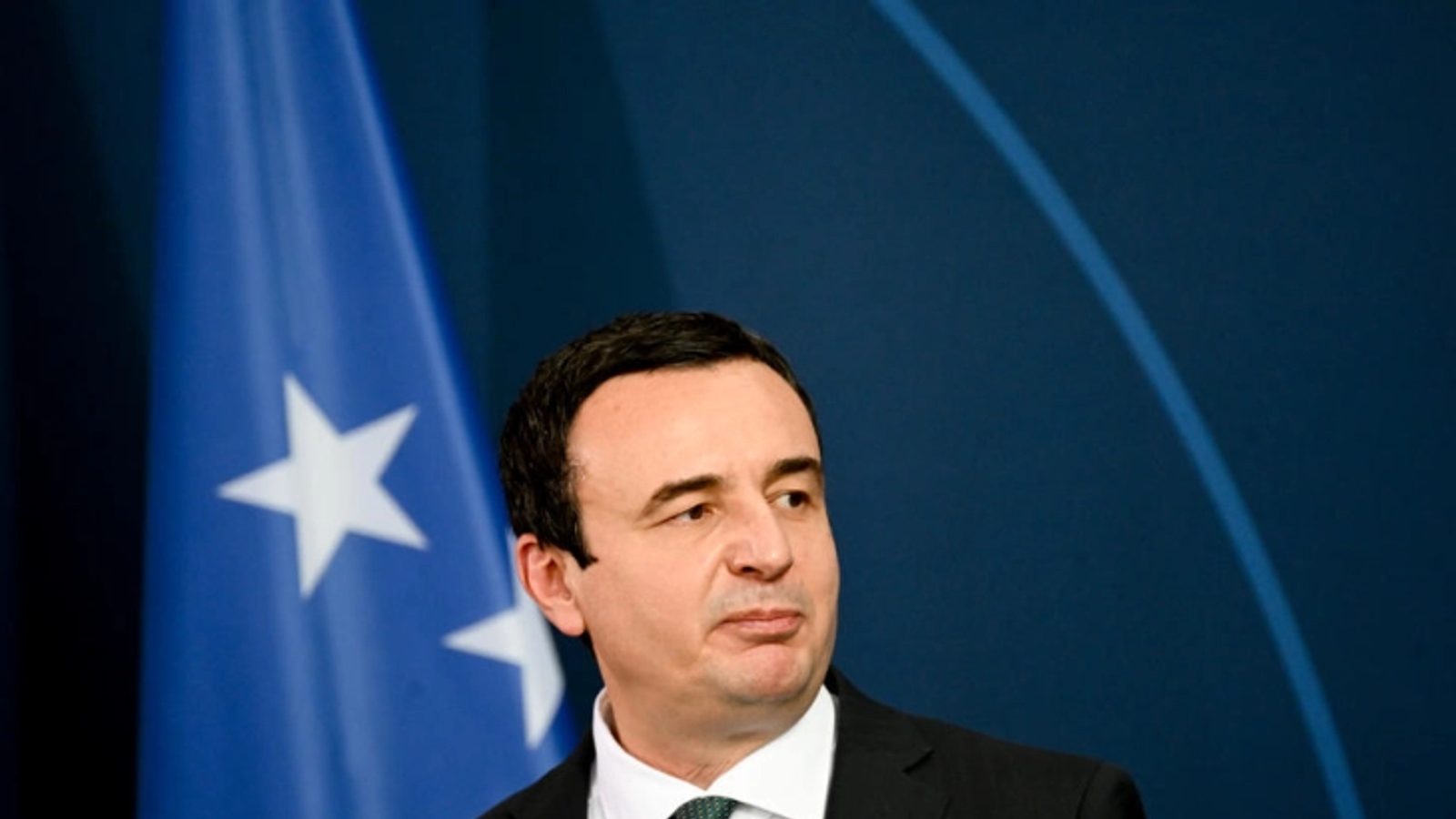
Kosovo's Prime Minister Albin Kurti told the Assembly that the country needs a serious strategy to deal with matters linked to The Hague, but warned that putting any such plan into practice requires fully functioning institutions — above all, a president.
Kurti links implementation to institutional stability
"We need a serious strategy for The Hague, but to implement that strategy, we need a president," Kurti said during the parliamentary session, arguing that an effective response to what he described as an unjust situation in The Hague depends on state strength and consolidated institutions.
He added: "We must be aware of one more thing — for the unjust situation in The Hague we need a strong state. There must be law, but there must also be a president." Kurti cautioned that adopting a law related to The Hague without institutional stability could bring new consequences for Kosovo.
"A Hague law without functional stability, without a president and with repeated elections, carries the risk of leading to instability in the country," he said, and announced he will meet again with the leader of the Democratic Union of Kosovo (DSK), Bedžet Hamza, in a bid to reach an agreement to overcome the current political situation. Kurti described previous talks with Hamza as constructive.
The Assembly adopted in principle the draft law on the Specialized Chambers and the Special Prosecutor with 91 votes in favour. MPs from the Democratic Union of Kosovo did not participate in the vote, and representatives of the Serb List were absent from the session.
Perparim Gruda, the Democratic Party of Kosovo (DPK) deputy who presented the proposal, said the establishment of the Specialized Chambers was linked to allegations of organ trafficking and that the six-year process before the Chambers showed there was no organ trafficking. He said the proposed amendments do not strip the Chambers of the right to continue working, but aim to limit part of their jurisdiction, including matters connected to war crimes.
Arberije Nagavci, head of the Vetevendosje (Self-Determination) parliamentary group, said the issue of the Specialized Chambers should have been resolved in spring 2015. She added: "The appeals process must be treated with the utmost seriousness. The consequences of this process went beyond the courtroom. Today's amendment to the law does not undo this damage. The KLA cannot be equated with such a verdict." Nagavci said Vetevendosje supported the draft law despite previously opposing the Chambers.
Photo: press material from the event