Lebanon and Israel hold talks in Rome but fail to agree on ceasefire or Israeli withdrawal
Seventh round in Rome ends without deal on withdrawal or full ceasefire; talks covered military, legal, political and prisoners issues.
The third and final day of the seventh round of direct talks between Lebanon and Israel, mediated by the United States, ended today in Rome without an agreement on a phased withdrawal of Israeli forces or on Lebanon's demand for a full ceasefire.
The sessions opened about an hour late for what participants described as "reasons related to the United States." Talks were held across three parallel meetings addressing military, political, legal and border issues, and the question of prisoners.
Military, legal and political strands
"The military meeting was focused on technical issues, including harmonizing military terminology and formulations," a source at the negotiations said. Discussions on prisoners followed two tracks — the international-law framework that governs detainees and the exchange of prisoner lists — but the source noted Lebanon faces a particular difficulty because it does not have lists of detainees.
Political talks concentrated on two main items: the proposed "model areas" for a phased Israeli withdrawal and Lebanon's demand to restore and fully implement the ceasefire agreement. "No progress was made on this matter. The Lebanese delegation proposed several locations, including the town of Zawtar al-Sharqiya in the southern Nabatieh governorate," the source said, while also describing parts of the talks as "positive" and saying efforts are under way to involve the International Committee of the Red Cross in the process.
The recent escalation by Israel in southern Lebanon was not discussed directly at the Rome meetings but was handled through the mechanism set up on 27 October, the source added. The seventh round of talks began on Tuesday and concluded today; it was the second round held in Rome after five earlier rounds in Washington.
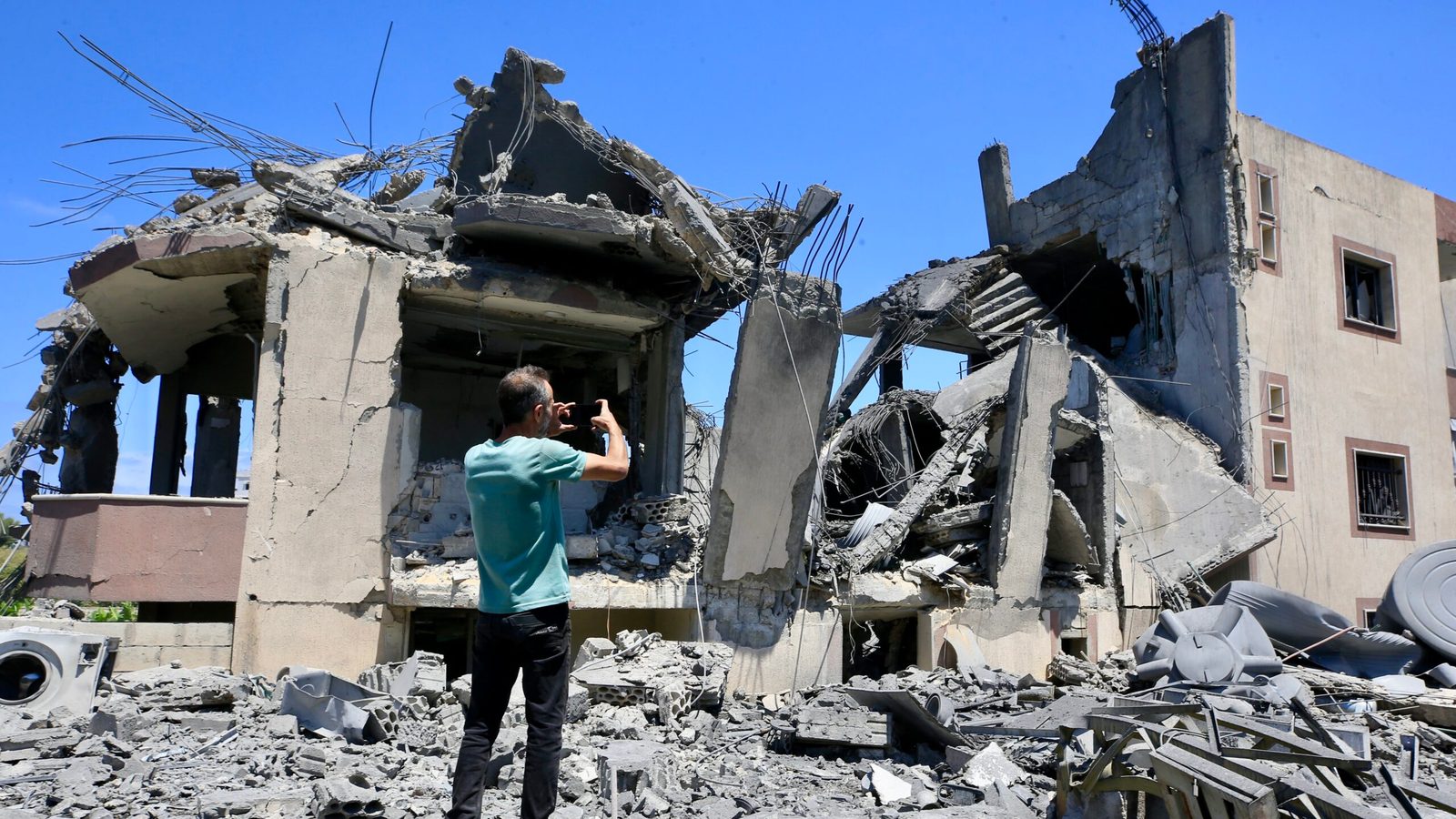
The negotiations took place amid ongoing Israeli strikes, including intense drone and fighter-jet overflights above Beirut and Tyre, simulated air strikes and strikes on southern Lebanon. Earlier today, eight people were reported wounded in a wider Israeli escalation in the Tyre area.
On 26 June Beirut and Tel Aviv signed a framework accord, mediated by the United States, envisioning a phased withdrawal of Israeli forces from occupied Lebanese territory beginning with pilot model areas. The framework foresees a gradual pullback of Israeli forces from all occupied Lebanese territory in exchange for deployment of the Lebanese army and the disarmament of armed groups, including Hezbollah.
Israeli military operations in Lebanon have continued since 2 March. According to the Lebanese Ministry of Health, the strikes have so far killed 4,333 people and wounded 12,250.
Photo: EPA/STRINGER