EU leaders suspend debate on long‑term budget to 2034 after summit ends without deal
Leaders left Brussels after inconclusive 26–27 November talks, with big differences on the size and distribution of funds.
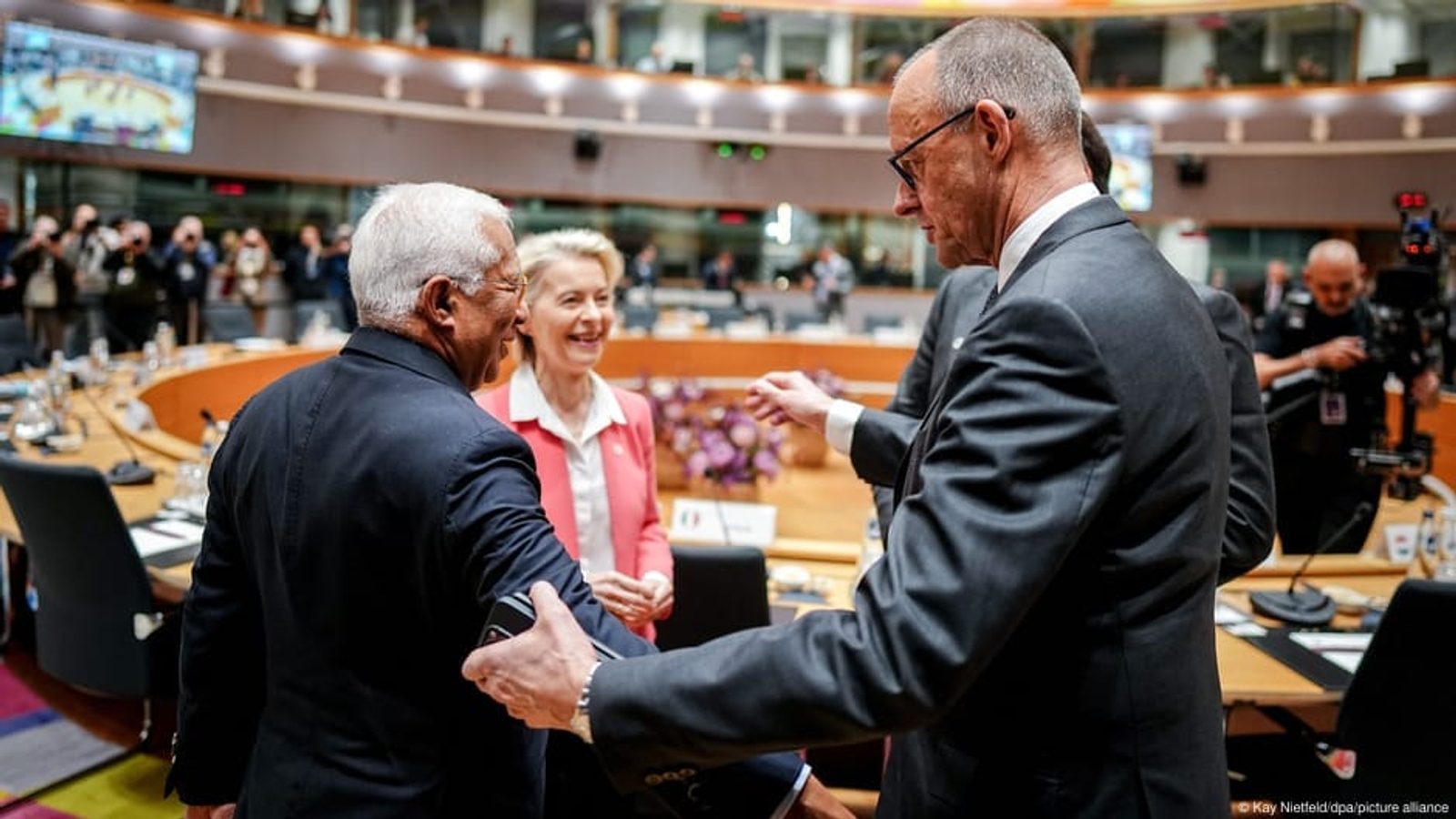
European Union leaders ended an extraordinary summit on the bloc’s long‑term budget on 26–27 November 2026 without a deal, agreeing to resume negotiations at a fresh gathering in December after hours of inconclusive talks.
Stark divides on size and distribution
German Chancellor Friedrich Merz said late on 26 November that positions on both the overall volume and the allocation of funds remain "very far apart." António Costa, President of the European Council, closed the meeting shortly after midnight and defended convening the special summit as "a necessary step in the process."
Negotiators had expected a hard round of bargaining but many leaders made clear they were not ready to compromise. Merz had even arranged with the CDU/CSU group in the Bundestag to be excused from a planned vote on Germany’s 2027 federal budget on Friday afternoon; with talks paused he will now be able to attend that vote.
Several net‑contributor countries pressed for deeper cuts. Merz said he wanted reductions of “a few hundred billion euros” beyond a cut of €204 billion that Costa had already taken off the European Commission’s proposal, lowering the proposal to €1,781 billion. The grouping calling itself the "frugal seven" — Netherlands, Austria, Sweden, Finland, Denmark and Belgium together with Germany — argue a substantially smaller budget is more responsible.
On the other side, a large bloc of countries, notably in southern and eastern Europe, defended higher allocations for poorer regions and for agriculture and rejected further reductions. Italian Prime Minister Giorgia Meloni warned bluntly: "We are not prepared to sign a budget in which we pay more and get less," adding that the sides remain "light‑years apart."
France has warned that if December fails to produce a compromise Brussels negotiations may be halted until after the French presidential election in April 2027 — an outcome Paris fears could be complicated by the strong polling for the eurosceptic Marine Le Pen.
Photo: Antonio Koshta levo, Fridrih Merc i Ursula fon der Lajen)