EU leaders fail to agree on 2028–2034 budget; talks to continue in December
Negotiations in Brussels stalled over size of spending package and a proposed €45bn loan for Ukraine; a new summit is set for 17–18 December 2026.
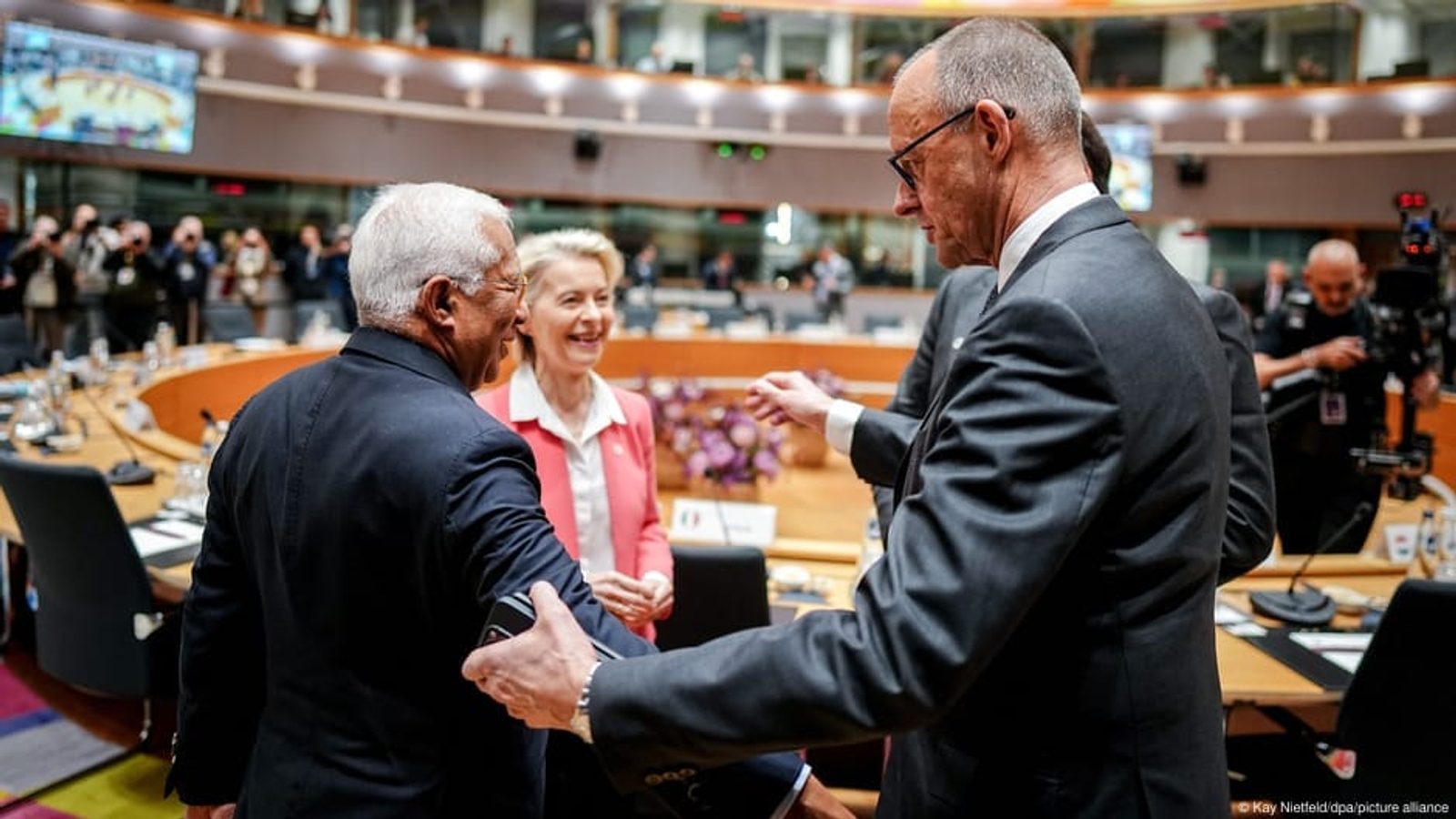
EU leaders left the long-term budget talks without a deal after two days of negotiations in Brussels, saying disagreements over spending priorities and support for Ukraine must be resolved in a later session. The discussions focused on the EU budget for 2028–2034 and will resume at a two-day summit on 17 and 18 December 2026.
Key differences on size and Ukraine support
António Costa, President of the European Council, opened the post-meeting briefing by stating bluntly: "We did not reach an agreement." He described the debates as "very interesting" and stressed there is still time before the end of the year to find a compromise.
Member states remain split between those—including France and Italy—pushing for a larger spending package, and others, led by Germany, calling for fiscal restraint and cuts. The Commission had earlier tabled proposals that some capitals see as too ambitious; the Commission’s draft was described this year as worth €2 trillion, while the current negotiating text stands at €1.582 trillion, a figure that includes €140 billion set aside for pandemic-related debt repayment.
Negotiators discussed a proposed reduction of roughly €220–230 billion from the Commission’s figures in an attempt to bridge the gap. Several countries seeking tighter limits on spending, among them Denmark and Austria, left the talks after several hours.
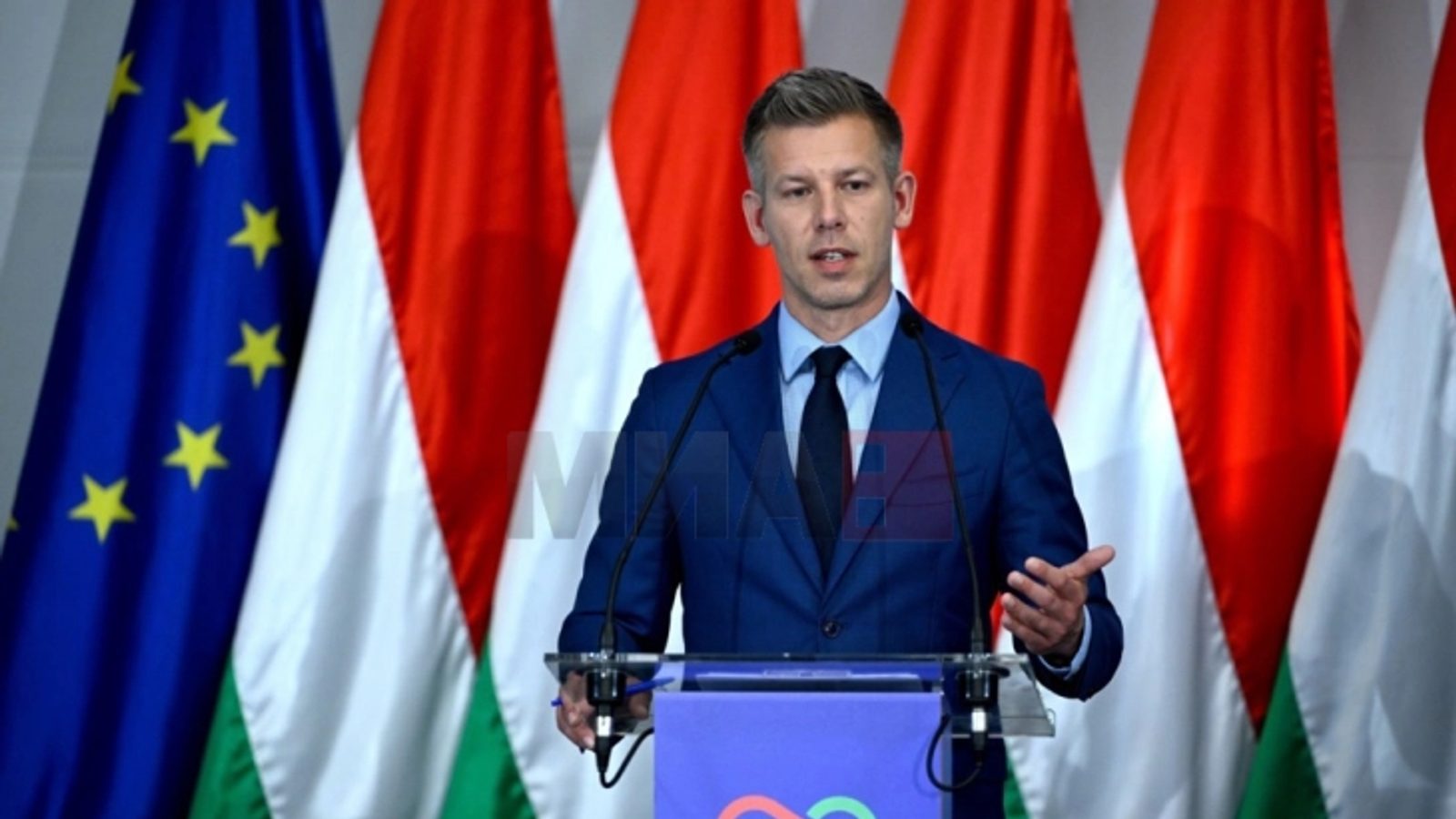
Disagreement also surrounds a proposed €45 billion loan package for Ukraine, split between military and non-military aid. Slovakia, the Czech Republic and Hungary voiced opposition to the loan. Germany’s Chancellor Friedrich Merz insisted on unanimity as a condition for approving the wider budget, saying: "I remain of the view that assistance for Ukraine must be fully supported by the European Union. The European Union consists of 27 member states, not 23 or 24."
France’s president Emmanuel Macron warned that deep cuts to the long-term budget would be a "strategic mistake," while some French politicians linked the budget fight to next year’s national elections. Bulgaria, which had been opposed to part of the loan plan, signalled it would agree to finance a portion earmarked for non-military support to Kyiv—an incremental step forward recorded at the extraordinary European Council meeting.
Ursula von der Leyen, President of the European Commission, wrote on X that the summit produced "a good discussion on our next long-term EU budget" and urged leaders to "maintain our ambition" on the budget size, new own resources and timing, noting that an agreement is needed.
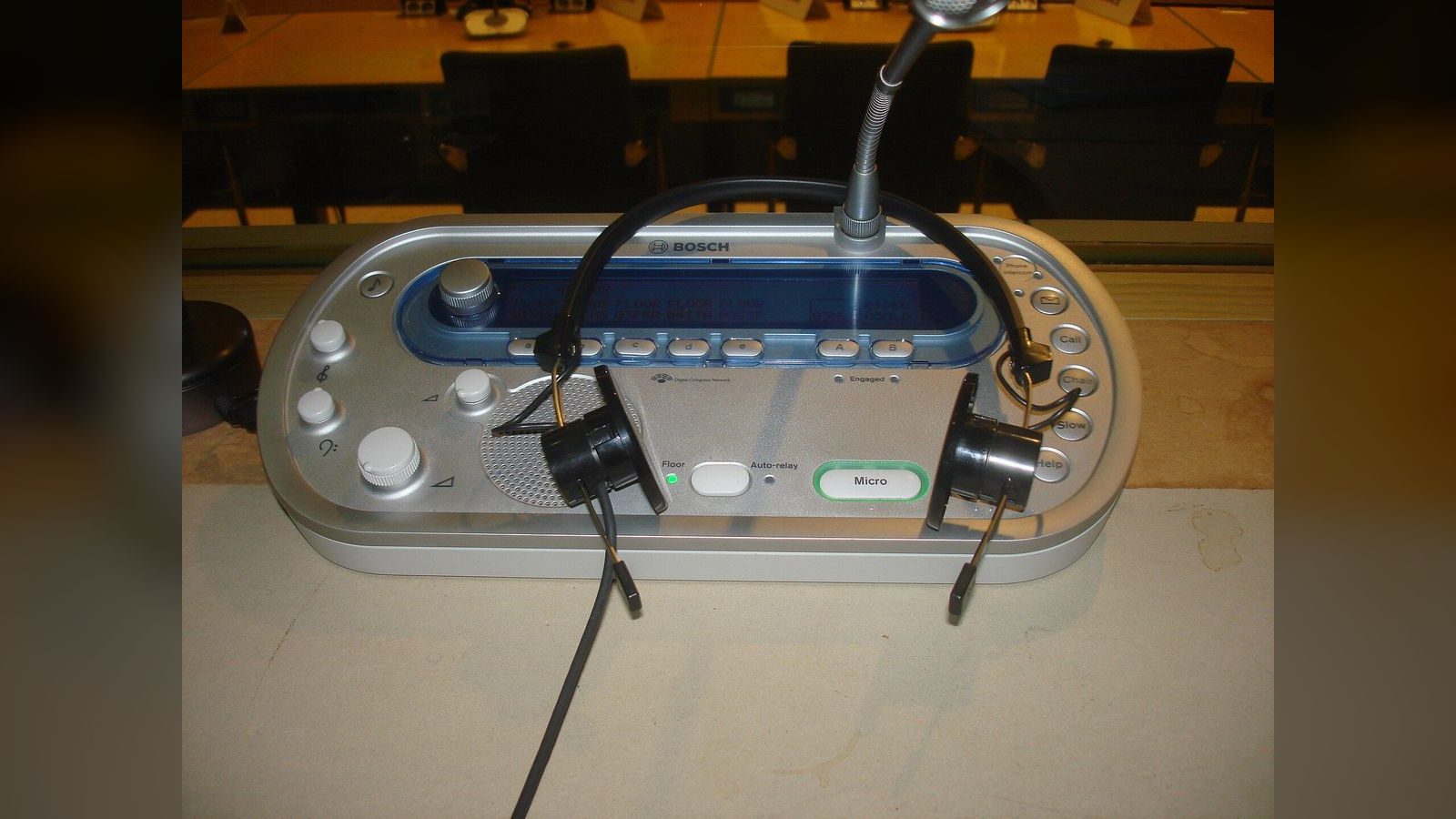
Photo: FrDr / Wikimedia Commons (CC BY 4.0)