Youth centres formed in only 13 of 80 municipalities — legal deadline passed without implementation
Audit shows deadline expired in January 2025 and most municipalities still lack centres required by the Law on Youth Participation and Youth Policies.
Only 13 of North Macedonia’s 80 municipalities have established youth centres that meet at least some of the legal requirements, leaving the majority of young people without dedicated public spaces for activities, study and social life, according to a 2025 compliance report by the National Youth Council (NMSM).
The Law on Youth Participation and Youth Policies, adopted in 2020, required every municipality to establish a youth centre and to fund 50 to 70 percent of its budget; municipalities had five years from the law’s entry into force to meet the obligation. That deadline expired in January 2025.
“In North Macedonia there are a total of 13 youth centres in Centar, Kumanovo, Lipkovo, Probishtip, Veles, Kavadarci, Bitola, Strumica, Makedonski Brod, Ohrid, Bogovinje, Novaci and Gostivar, which is slightly more than 16 percent of municipalities. There is even a decrease by one centre compared to 2024,” the National Youth Council (NMSM) reports in its 2025 review.
The report finds that only eight municipalities (10 percent) host youth centres that meet the legal standards; seven centres have an active programme of work; and two municipalities allocated no funds for centre activities. Various services and mechanisms foreseen by the law remain unestablished.
Proposed changes: accountability, dedicated funding and public selection
Civil society proposals submitted to lawmakers seek tougher enforcement and clearer financing. Key suggested amendments would introduce penalties for mayors who fail to create a youth centre, to set up a youth office or to appoint a youth officer. The amendments would also make youth centres an obligatory municipal responsibility while leaving the operational management to organisations chosen through public calls. At national level, the plan is to concentrate the legally earmarked 0.3 percent of the state budget into a dedicated “Programme for Youth” to increase transparency and direction.
The draft changes have been delivered to the Assembly but have not yet entered formal procedure; a further institutional step is required to open their parliamentary review. Meanwhile, local youth councils exist in only 24 municipalities (29.63 percent), a decline of four municipalities (4.94 percentage points) since early 2024. Only nine municipalities allocated the law’s minimum budget share of 0.1 percent for youth, and 13 designated funds for specific legal provisions such as a centre or local council.
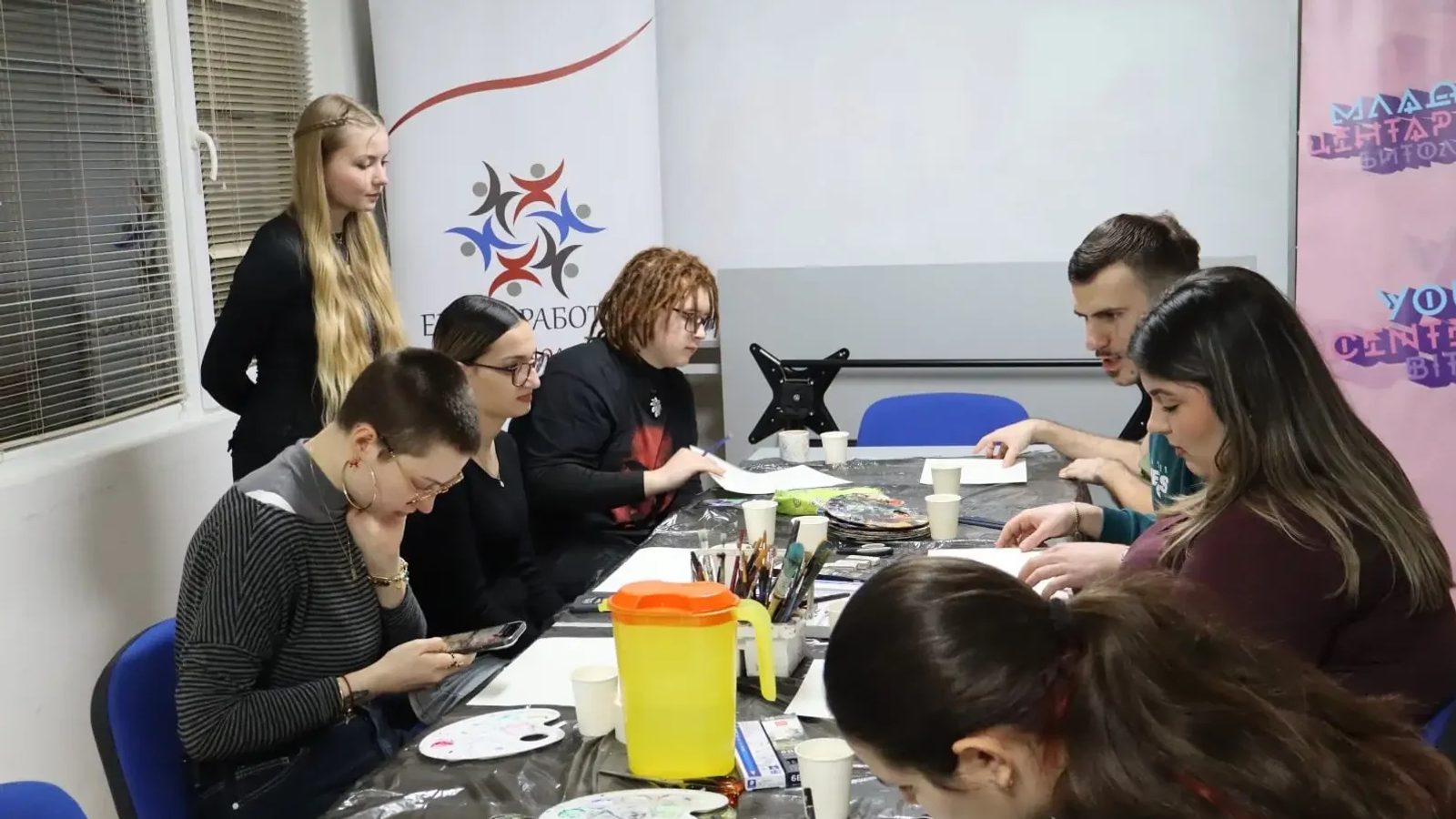
Photo: Mladinski centar Bitola