Ostrog Monastery: who may enter, what to bring and the old rules of the shrine
The cliffside shrine of Saint Basil of Ostrog in Montenegro attracts thousands of pilgrims; there are strict dress and conduct customs and long‑held folk beliefs about miracles and what may be taken from the site.
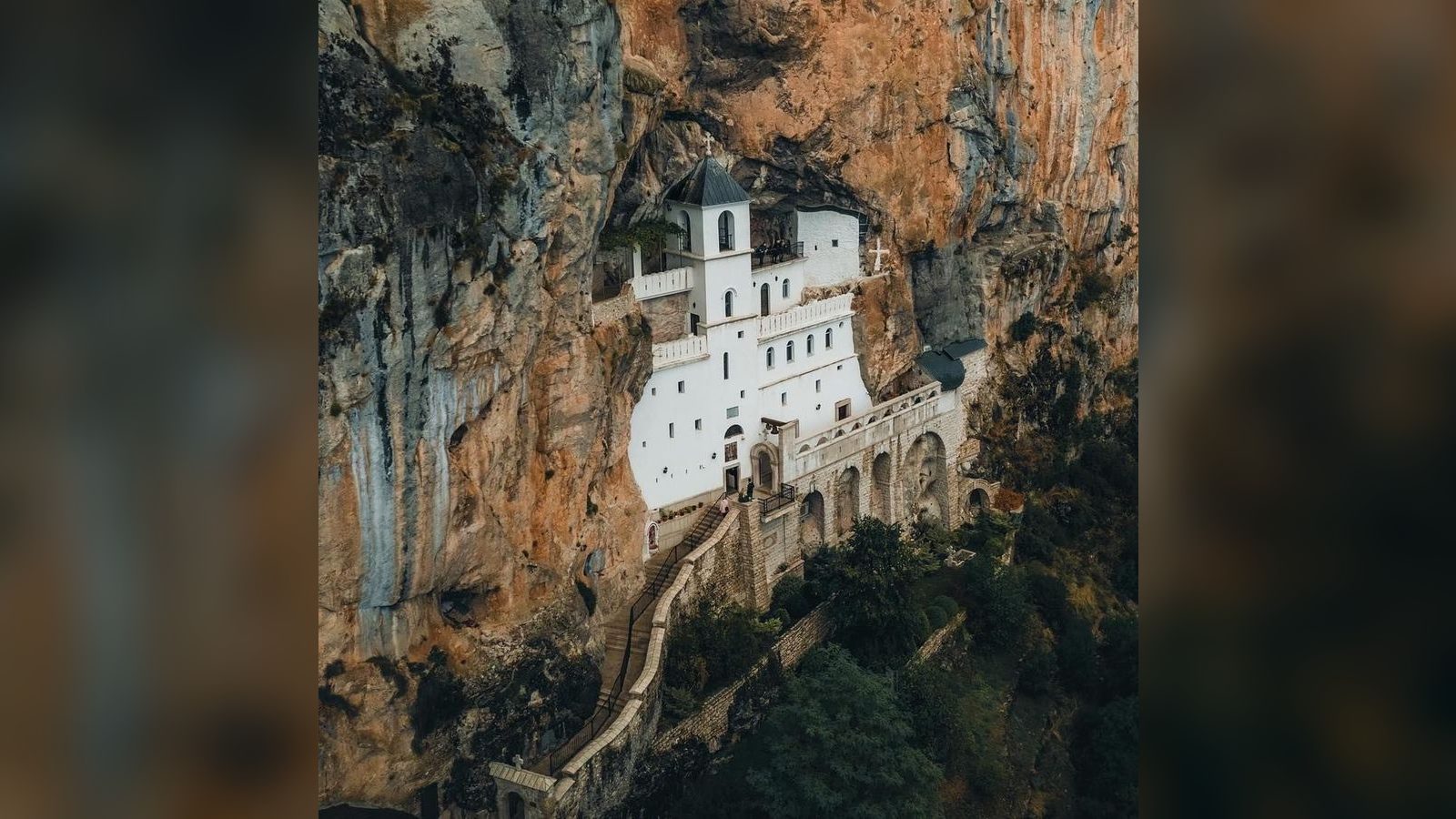
Carved into a sheer cliff and rising about 900 metres above the surrounding forest, the Ostrog Monastery — home to the relics of Saint Basil of Ostrog — is among the most visited Orthodox shrines in the region. The complex, which dates from the 17th century and lies between Nikšić and Podgorica in Montenegro, draws thousands of pilgrims year‑round and is traditionally counted, after the Holy Sepulchre and Mount Athos, among the most frequented Christian sanctuaries.
Pilgrims, practices and reported healings
People of all ages and faith backgrounds come to Ostrog seeking peace, healing and deliverance. Many climb the steep stone stairways through the woods barefoot as an act of devotion; others arrive during journeys to the coast and stop en route. Testimonies collected at the site include accounts of disabled people beginning to walk, seriously ill visitors recovering, and couples conceiving after long struggles.
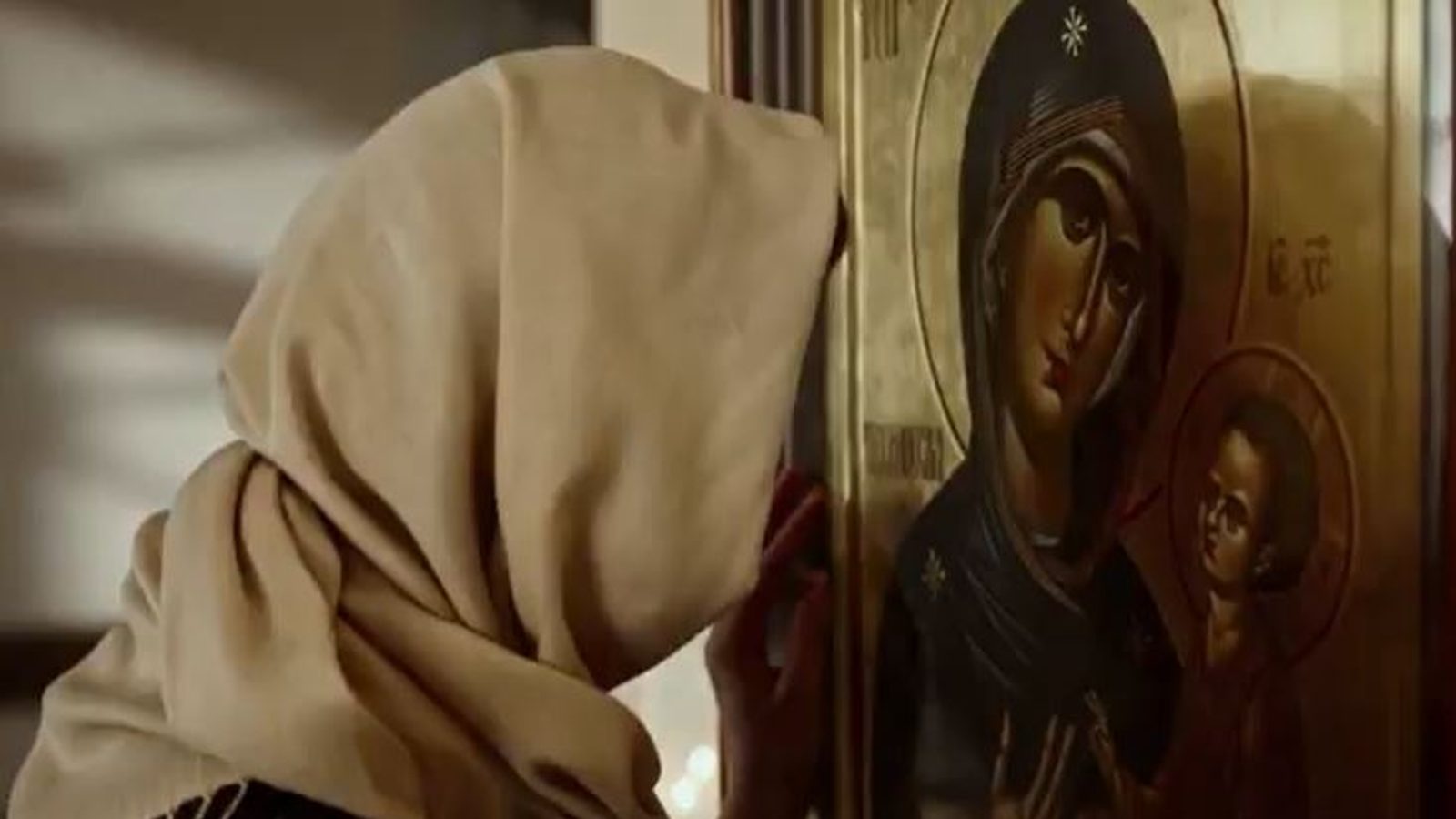
Visitors follow a clear dress code when entering the shrine: women are expected to wear skirts and headscarves, while men should wear trousers and long‑sleeved shirts. It is common to bring small gifts for the monks — coffee, sugar, oil and similar items — and to leave voluntary donations. After venerating the relics of Saint Basil, pilgrims may write names on paper (for the living and the dead); those lists are later read by the monastery brotherhood in prayer.
Local custom forbids taking anything from the monastery precincts: neither stones nor flowers should be removed. Pilgrims may, however, obtain blessed water and lamp oil from the monastery shop. According to tradition, the saint visits the monastery each night and, believers say, monks sometimes find dark stains on the saint’s socks in the morning; for this reason many bring knitted woollen socks to the shrine.
The complex contains both an upper and a lower konak, but during busy periods both are often fully occupied. A substantial number of pilgrims sleep outside the monastery; blankets are provided and many who have stayed describe sleeping under the open sky at Ostrog as a special experience. There is also a folk belief that one should not announce a planned visit and then fail to go — instead, people ought to come suddenly, as the saying goes, "when Saint Basil calls you."
Monastery records kept by the monks include accounts of healings and other extraordinary experiences reported by visitors. Those with spiritual questions or practical doubts about visiting are advised to consult their parish priest for guidance before making the journey.
Photo: press material from the event