Manchester City slump: why Enzo Maresca's side have stopped winning
After seven opening wins, City have dropped points and conceded 13 goals in ten matches — signs of defensive and structural problems under Enzo Maresca.

Manchester City's run of dominance has stalled after an electrifying start: seven consecutive wins were followed by three defeats before the international break and, in the past week, draws with Fulham and Napoli. Fans and pundits have even invoked what some call the "the 'Maresca curse'" as a shorthand for teams that begin brilliantly and then fade late in the autumn.
What has changed under Enzo Maresca
On paper Maresca learned his trade in Pep Guardiola's environment, but his approach is noticeably different from the Spaniard's obsession with control and possession. The most visible consequences have been defensive. City conceded 13 goals in their opening ten matches — the highest tally since 2008, the period before Thaksin Shinawatra sold the club to investors from the Emirates. The side has also failed to keep a clean sheet in nine matches across all competitions, a trend unprecedented under Guardiola.
Counter-attacks have been a recurring problem: only Newcastle have allowed more shots against them on the break. Add a spike in turnovers since Maresca arrived and the team often looks vulnerable when chasing a result — as in the games against Fulham, Napoli and Nottingham Forest before the break.
Structural choices in midfield are also under scrutiny. Enzo Fernandez has been deployed high and functions like a second striker in possession, producing a de facto 3-1-6 shape at times. That leaves the expensive Eliot Anderson as the lone presence ahead of the defensive trio and often exposed.
Individual comparisons underline the issue: Anderson does not read the game like Rodri. Rodri remains among the top five players for ball recoveries, while Enzo sits among the bottom five — a statistical gap that explains why the Argentine performs the coach's brief but without the same defensive impact. Mistakes from centre-backs have repeatedly invited trouble.
Problems extend to the goalkeeper and attack. Gianluigi Donnarumma, despite elite shot-stopping numbers on paper, is not the ball-playing goalkeeper City usually seeks; his mistakes on distribution have been conspicuous. Erling Haaland is also less influential — he has fewer touches and is involved less in the build-up. The absence of Semenyo through injury has made it easier for opponents to close the midfield and neutralise supply to the winger positions, which in turn reduces chances for Haaland.
Against Fulham, despite the coaching staff's exhaustive weekend analysis during the two-week break, many old errors reappeared: an extra touch too many here, a rushed or unnatural shot there. Stat lines can be misleading — after City equalised they were arguably the better side and created the greater danger, with Donnarumma making several saves — yet the underlying problems persisted. In Naples the point was secured late by Rayan Cherki, but tactical solutions still seemed elusive; attempts to overload the final third with Buadi and Nico O'Riley opened the team to counters.
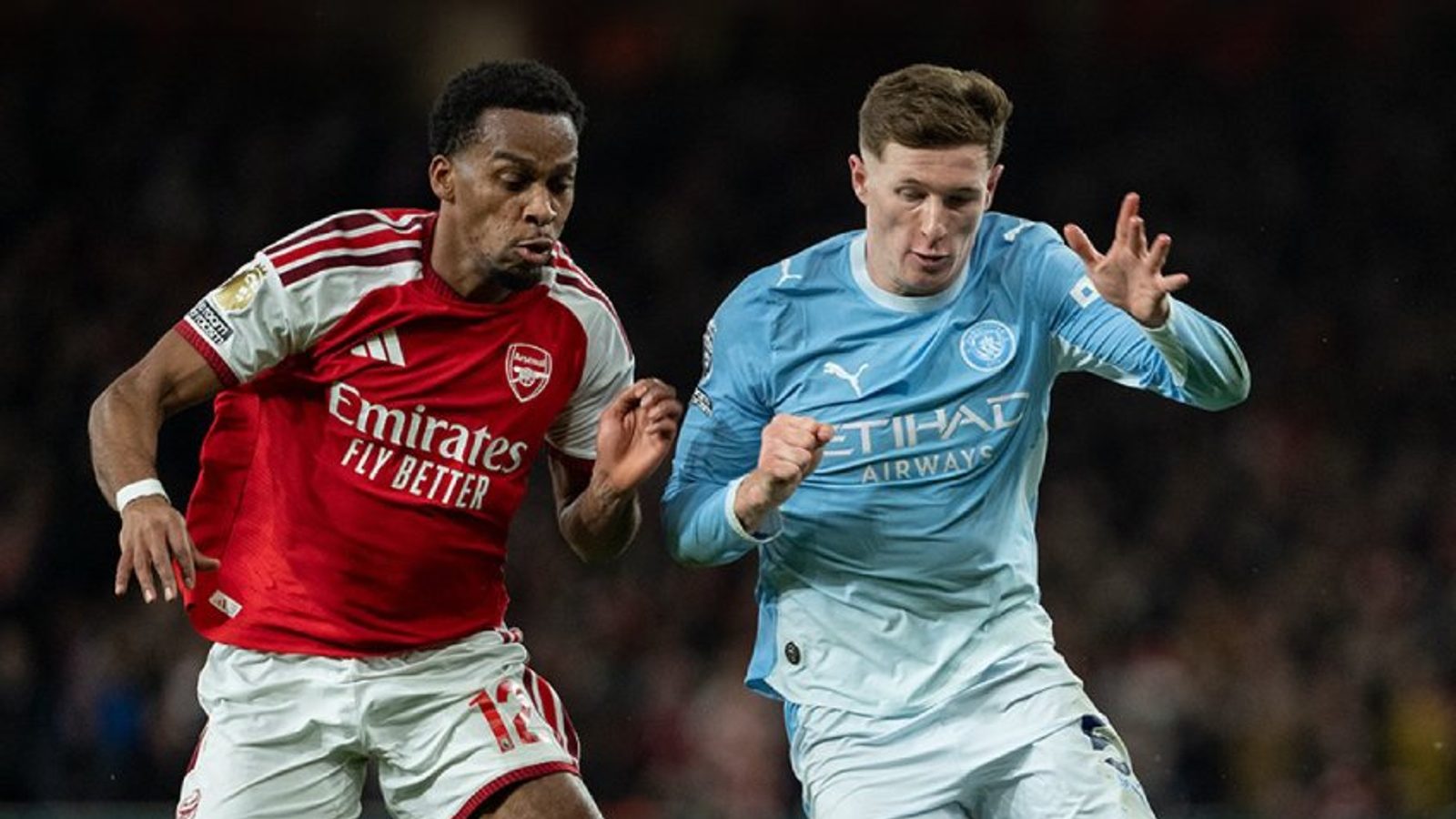
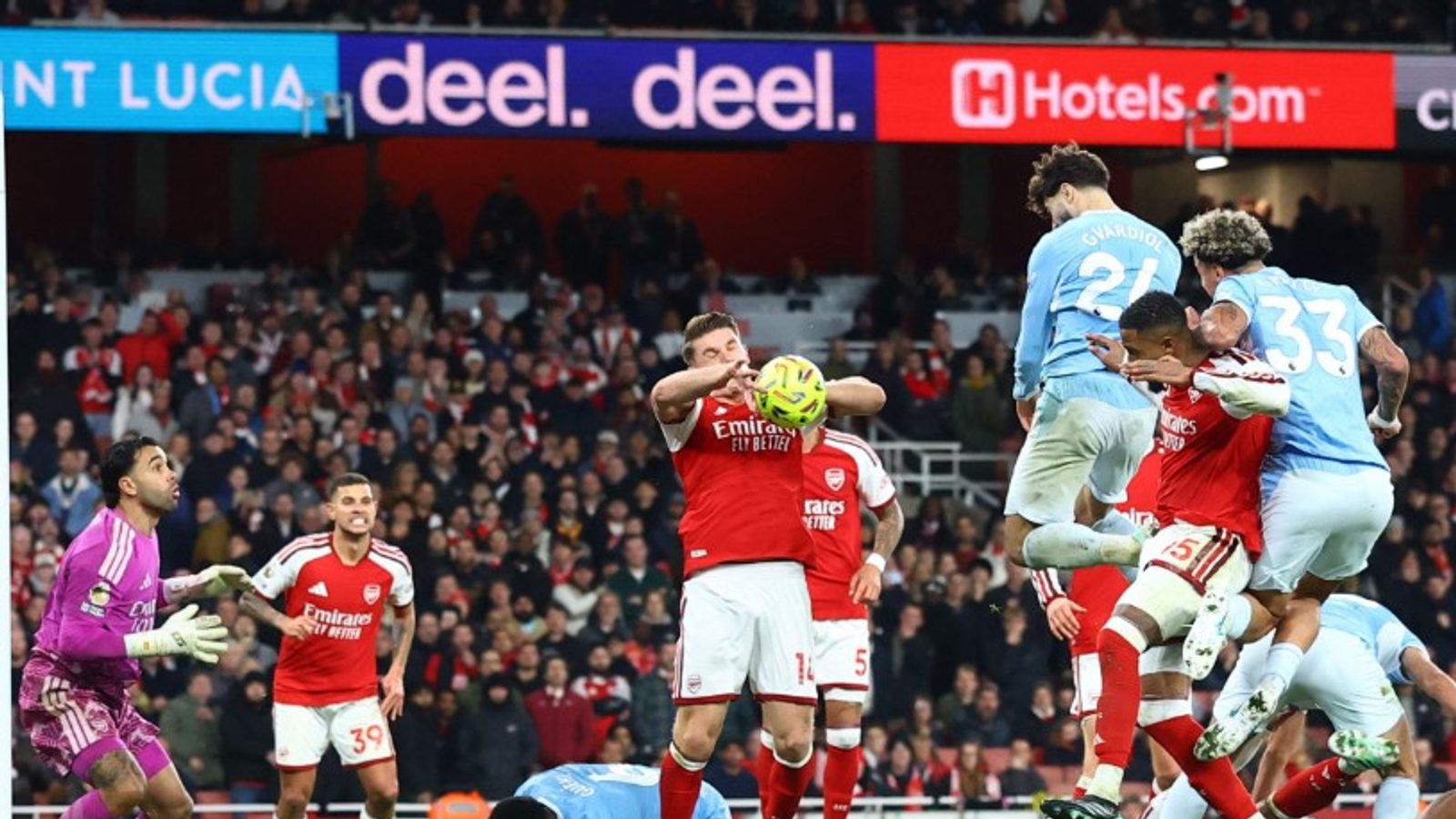
Looking ahead, the coming derby at the Emirates against Arsenal is a pivotal test. If Arsenal leave with a win and move nine points clear, the Premier League picture could tilt decisively — this Arsenal looks less prone to collapse than the side of a few seasons ago. Maresca insists his squad will need to be at the top of their immediate capabilities to remain unbeaten, but confidence that they can sustain that level is fading.
Photo: press material from the event