International Court of Justice: Myanmar committed genocide against the Rohingya
The Hague court found, by 9–6 votes, that Myanmar breached the Genocide Convention and ordered return, investigations and reparations.
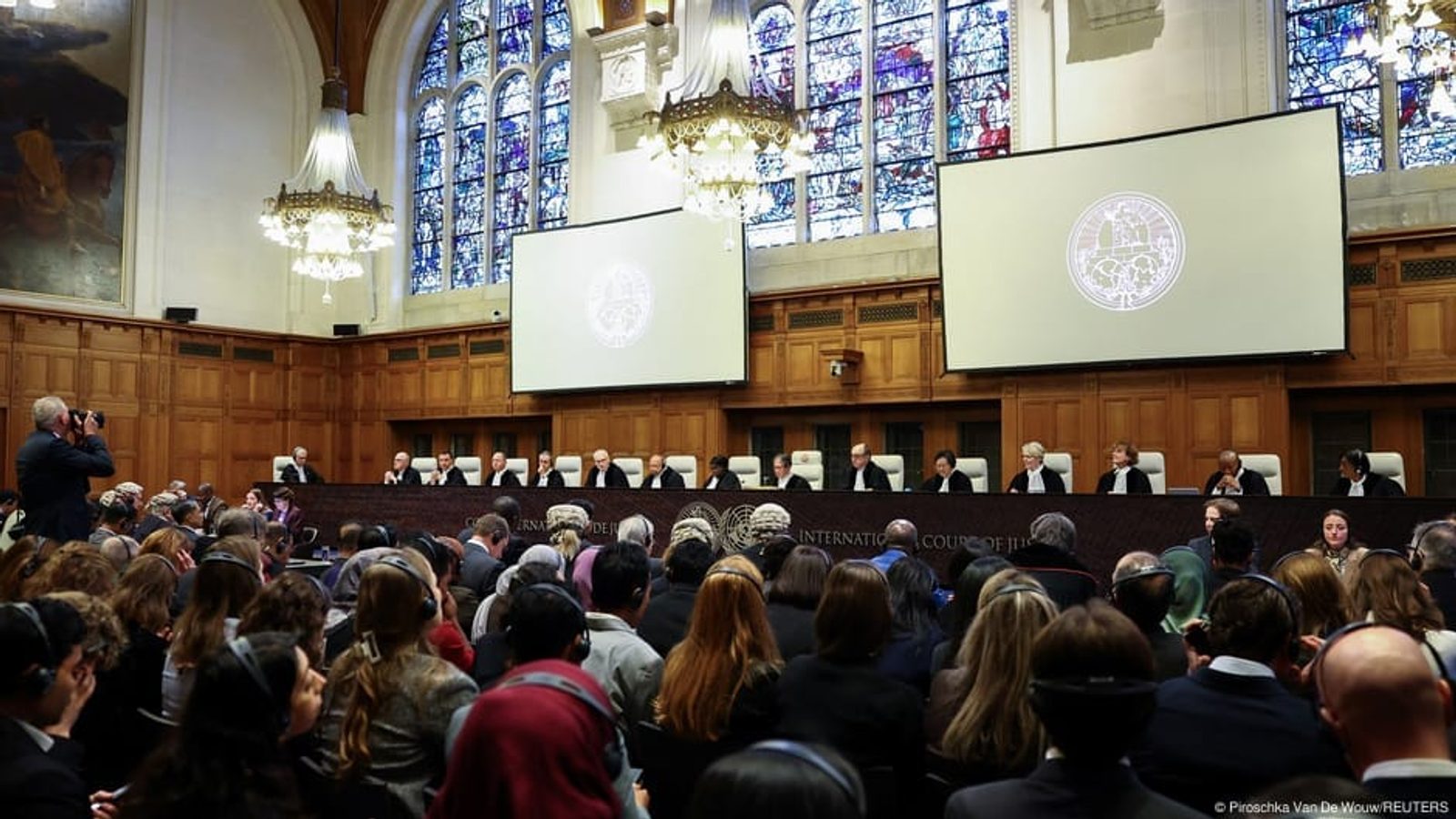
The International Court of Justice (ICJ) ruled on 19 November 2026 that Myanmar committed genocide against the Rohingya during the 2017 military campaign, and ordered measures designed to allow survivors to return home.
Presiding Judge Yuji Iwasawa announced the court’s decision, saying the bench found—with nine votes in favour and six against—that "Myanmar committed genocide against the Rohingya group in the northern part of Rakhine State, breaching its obligations under the Genocide Convention." The 15-judge panel, which included Navi Pillay, rejected Myanmar’s defence that the 2017 operations were legitimate counter-insurgency actions.
Orders and findings
The ICJ told Myanmar to take immediate steps to prevent further genocidal acts and to ensure the safe, voluntary and dignified return of Rohingya who fled. The court also ordered investigations and prosecutions of those found responsible and instructed Myanmar to pay reparations; the precise amount will be determined in subsequent proceedings.
In reading the judgment Judge Iwasawa said: "the court finds that Myanmar's security forces killed thousands of civilians from the Rohingya community, committed widespread acts of sexual violence, as well as acts of extreme violence against children, and attacked Rohingya as they were attempting to flee in large numbers." The court stated that evidence showed about 10,000 Rohingya were killed.
The case was brought by The Gambia in 2019 under the 1948 Genocide Convention, asking the ICJ to rule that Myanmar had breached its obligations, to order it to halt unlawful acts, and to ensure accountability for those responsible. The 2017 campaign in northern Rakhine followed an attack by a Rohingya armed group and was described by Myanmar’s military as a clearance operation; it resulted in widespread allegations of killings, mass rape and the burning of thousands of homes.
Witnesses and members of the Rohingya community attending the nearly three-hour reading of the judgment reacted emotionally, embracing and crying as the decision was announced. "This is a big day for the Rohingya and a big day for all oppressed people everywhere, who have been told that their suffering does not matter and that no one listens to them," said Jasmin Ula, a Rohingya rights activist present at the judgment.
Human Rights Watch senior adviser Maria Elena Vignoli said the ruling "represents a long-overdue recognition of the suffering the Rohingya endured at the hands of Myanmar’s military. The ruling also creates an important precedent for victims of genocide and other serious crimes worldwide in their own pursuit of justice."
Photo: press material from the event