Merz urges all EU members to share €45 billion burden for Ukraine
Merz wrote to European Council President António Costa asking every EU country to make a "fair contribution" and to prioritise the issue at the Dublin informal summit.
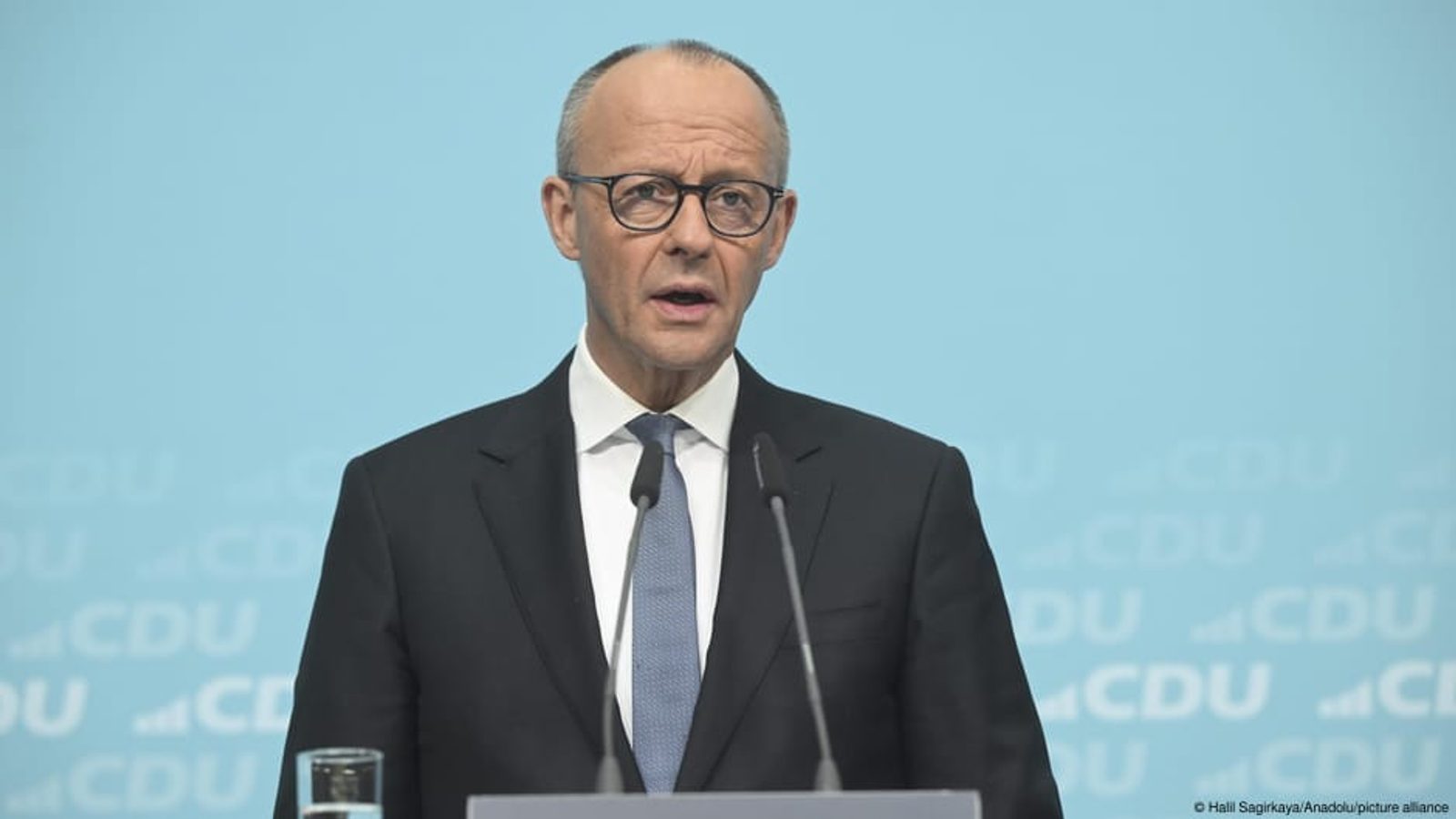
German Chancellor Friedrich Merz has asked every EU member state without exception to make a "fair contribution" to cover a projected €45 billion shortfall in funding for Ukraine next year, stepping up pressure ahead of an informal EU summit in Dublin. The appeal comes in a letter sent to European Council President António Costa dated November 10, 2026.
Funding gap and divisions within the EU
In the letter Merz warns that such a commitment is "an essential prerequisite for addressing this problem and for considering other issues, especially those with financial implications." He makes it clear that a common pledge on Ukraine is linked to the ability to move forward on other budgetary matters.
Merz also urges that a solution backed by all member states be found within the negotiations on the EU budget for 2028–2034, so that Ukraine can receive stable multiyear funding. The chancellor asked Costa to place the issue "as a priority" on the agenda of the informal summit in Dublin on November 13, 2026.
The European Commission has estimated a financing gap of about €70 billion for next year, of which the EU would need to provide about €45 billion. The EU had already approved €90 billion for Ukraine for 2026–2027, but that package is no longer considered sufficient. Ukrainian President Volodymyr Zelensky asked allies in October for an additional €70 billion to sustain defensive operations.
Not all capitals are willing to add more money. Bulgaria's Rumen Radev and Slovakia's Robert Fico have publicly signalled they do not wish to take part in a new EU financial package for Ukraine. Hungary and the Czech Republic are viewed as uncertain partners. Hungarian Prime Minister Péter Magyar is scheduled to meet Merz in Berlin on November 10, 2026, and assistance for Ukraine is expected to be a central topic.
Germany remains by far the largest EU financial backer of Ukraine, and that weight underlies Merz's insistence that the burden be shared more broadly across member states. The chancellor's letter implicitly warns that failure to agree on a joint commitment could hold up other EU financial business.
Photo: press material from the event