Friedrich Merz announces measures as German fuel prices hit records
Merz promises a proposal "very soon" as prices top €3 at some pumps and the coalition argues over taxes, price caps and a windfall levy.
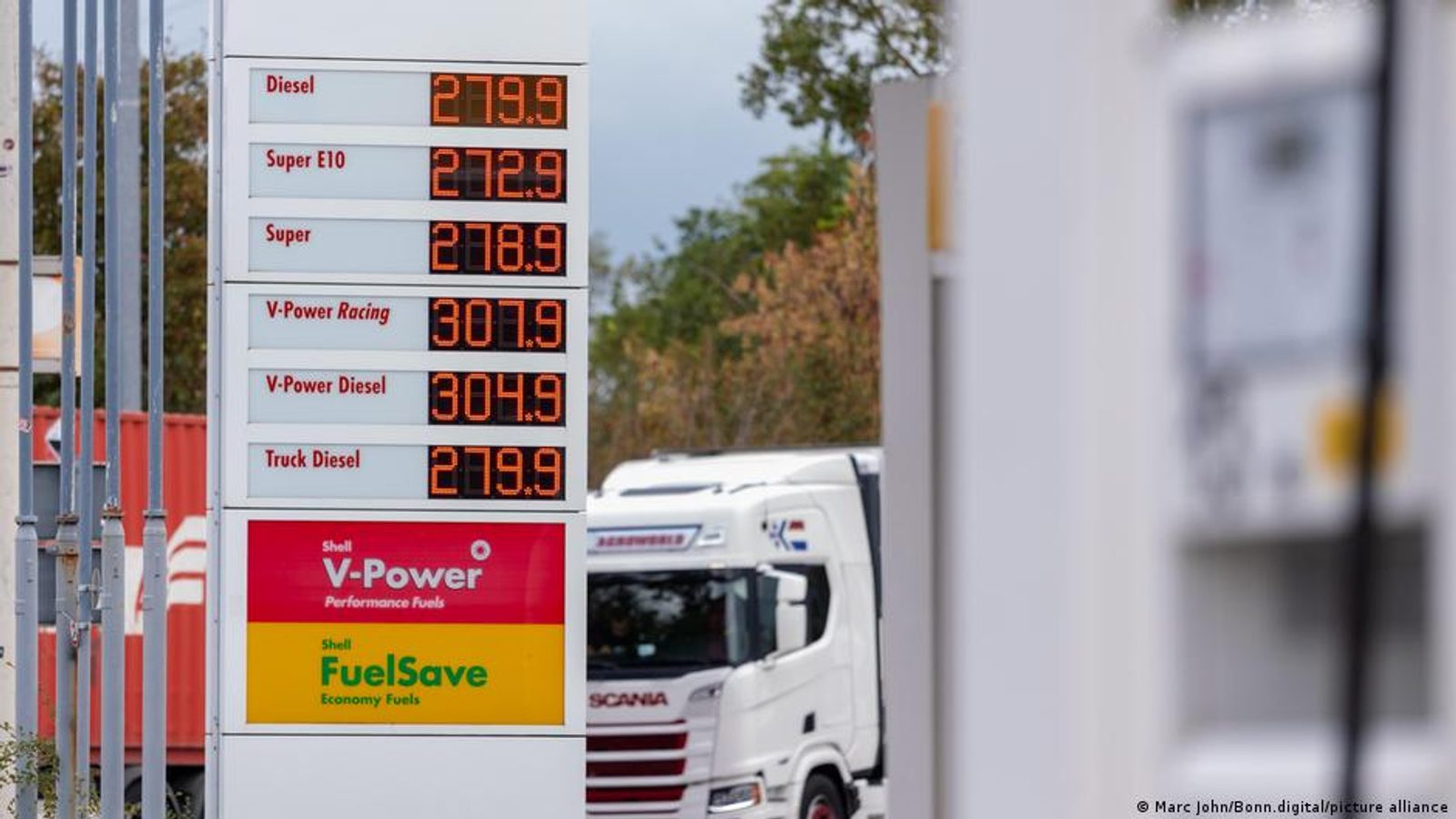
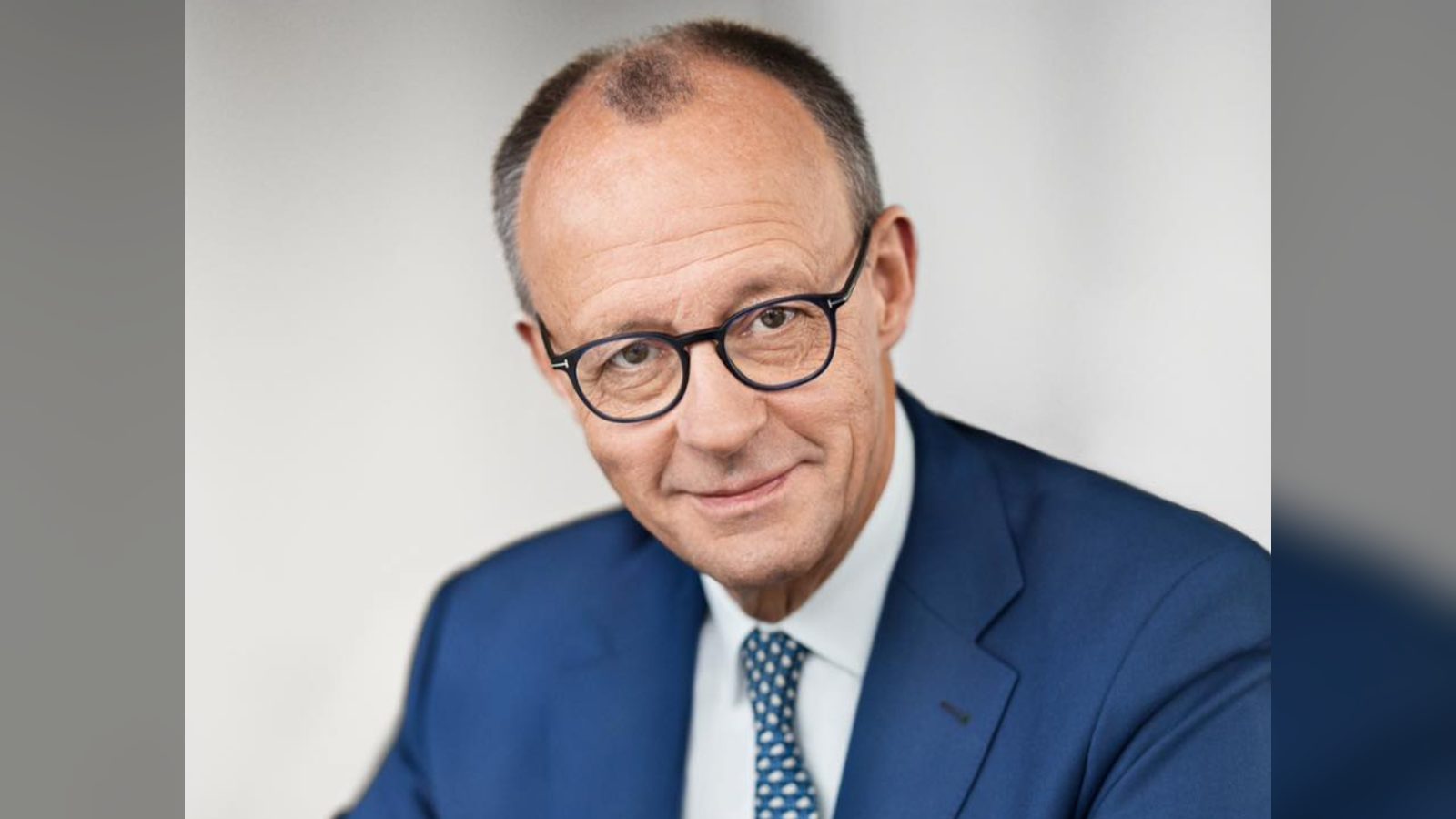
German Chancellor Friedrich Merz said the federal government is preparing measures to ease the burden on drivers after fuel prices across Germany climbed to record highs, raising concern in Berlin and beyond. Merz did not set out a specific tool, saying discussions with the Länder are ongoing and a proposal will be presented "very soon."
Fuel at some motorway pumps reached more than three euros per litre on 14 September, and in Berlin on 15 September a litre of E10 cost around €2.25 in the morning while diesel approached €2.37. At noon on the 15th prices rose by about €0.20 per litre at many stations; one motorway pump south of Berlin listed Super Plus at €3.03 per litre.
Drivers in rural areas—who often have no realistic alternative to the car—have expressed growing frustration, while people living in border regions benefit from lower prices abroad. According to the German Federal Statistical Office, on 7 September filling a 60‑litre tank with E10 was about €31 cheaper in the Czech Republic and Poland than in Germany; the saving was about €28 in Luxembourg and €25 in Austria.
Political disagreement over how to respond
Coalition partners are divided on the right response. The governing coalition of CDU/CSU and the Social Democratic Party (SPD) faces limited fiscal room: the federal budget can only be financed through historically high new borrowing. CDU figures are sceptical about repeating the spring’s temporary fuel discount, while SPD politicians press for stronger market intervention.
CDU economy minister Katarina Reiche told n‑tv that such a measure cannot be repeated: "We already had a fuel discount and subsidised the prices. Within the coalition we jointly decided that at the moment there is no financial room for such a step." As an alternative, conservatives are studying tax relief for commuters and targeted cash aid for low‑income households.
SPD proposals include a temporary state price cap for fuels and a windfall‑profits tax on energy companies; Bavarian premier and CSU leader Markus Söder also backs a windfall tax while urging talks about lowering taxes and levies. The AfD has seized the topic in its campaign ahead of regional elections on 20 September and proposes scrapping the CO₂ charge on fuels, cutting the energy tax to the EU minimum and reducing VAT on petrol and diesel from 19 to 7 percent.
Industry and consumer groups are calling for clarity. An ADAC spokesperson said: "From ADAC's perspective, especially at the refinery and wholesale level, further explanations are necessary." Herbert Rabl of the Association of Petrol Station Interests warned: "Huge revenues are being extracted. Oil companies are not giving up part of their profit margins."
Berlin is also exploring an EU‑level solution: finance ministry officials say a windfall‑profits tax at European level could help finance domestic relief. The finance ministry added that Minister Lars Klingbeil will press for such a tax at the upcoming meeting of EU finance ministers in Dublin, saying "Large member states such as Spain and Poland are on our side."
Photo: press material from the event