Friedrich Merz faces new test as AfD and The Left grow in regional elections
Regional elections in Berlin and Mecklenburg‑Vorpommern on September 20, 2026 have raised political stakes for Chancellor Friedrich Merz.
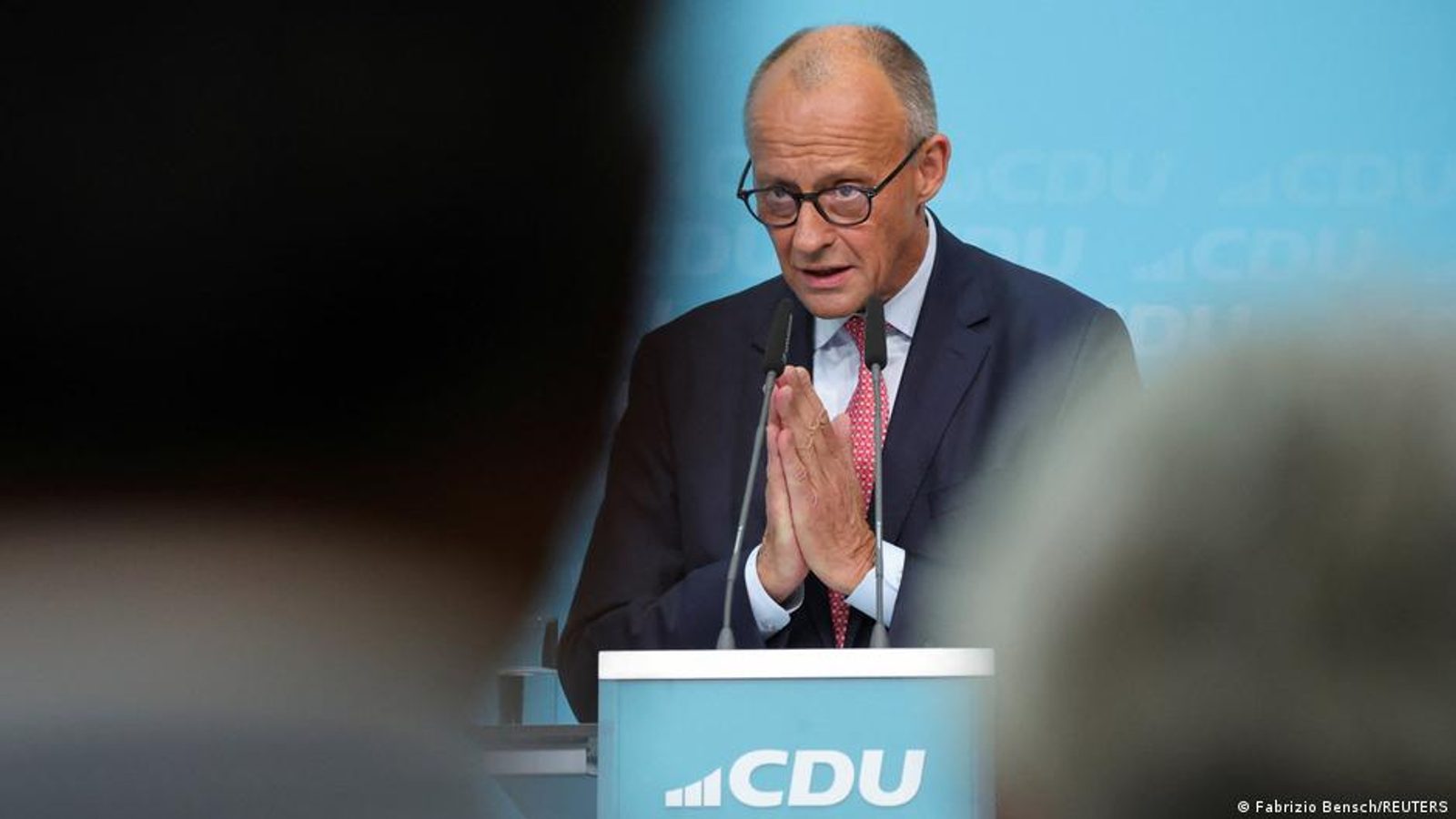
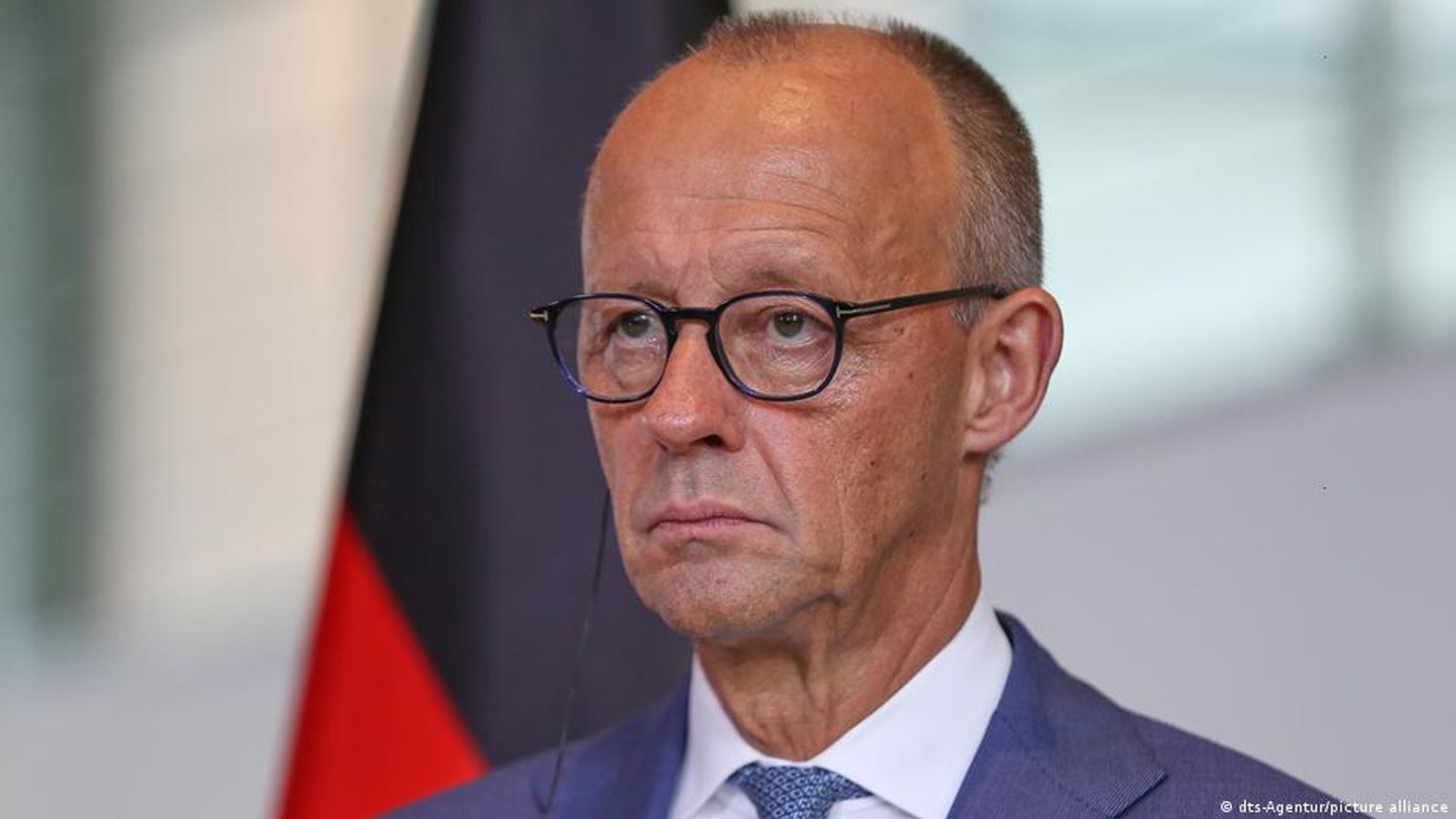
German Chancellor Friedrich Merz faces a fresh political test on September 20, 2026, as voters in Berlin and Mecklenburg‑Vorpommern cast ballots in regional elections that pollsters warn could strengthen both the right‑wing AfD and the radical left party The Left (Die Linke).
The 70‑year‑old chancellor, who has been in office for 16 months, convened an emergency meeting of CDU leadership to review early results and removed other engagements in the coming days. He has said he will not attend the United Nations General Assembly in order to manage the possible fallout from the vote.
Close races and worrying numbers for the CDU
Polls show sharply different dynamics in the two contests. In Mecklenburg‑Vorpommern, public broadcaster ZDF polling placed AfD at 36 percent and the SPD at 37 percent, with the CDU languishing on just 6 percent — dangerously close to the 5 percent threshold required to enter the state parliament. A CDU result below that threshold would mark a historic setback and pile intense pressure on Merz.
In Berlin the contest looks nearly even between the CDU and The Left, which has gained notable support among younger voters by promising radical measures to tackle the city’s housing crisis. A defeat for the CDU in Berlin — especially if it comes at The Left’s expense — would represent another severe blow to the chancellor, whose personal popularity has also been weak.
Public‑opinion researcher Roland Abold of Infratest Dimap warned of the chancellor’s precarious ratings: "In personal terms, the situation is quite dramatic for Merz." He added that "In our latest poll in September, only 13 percent of respondents expressed satisfaction with his political work. Those are the lowest figures we have ever recorded for a sitting German chancellor."
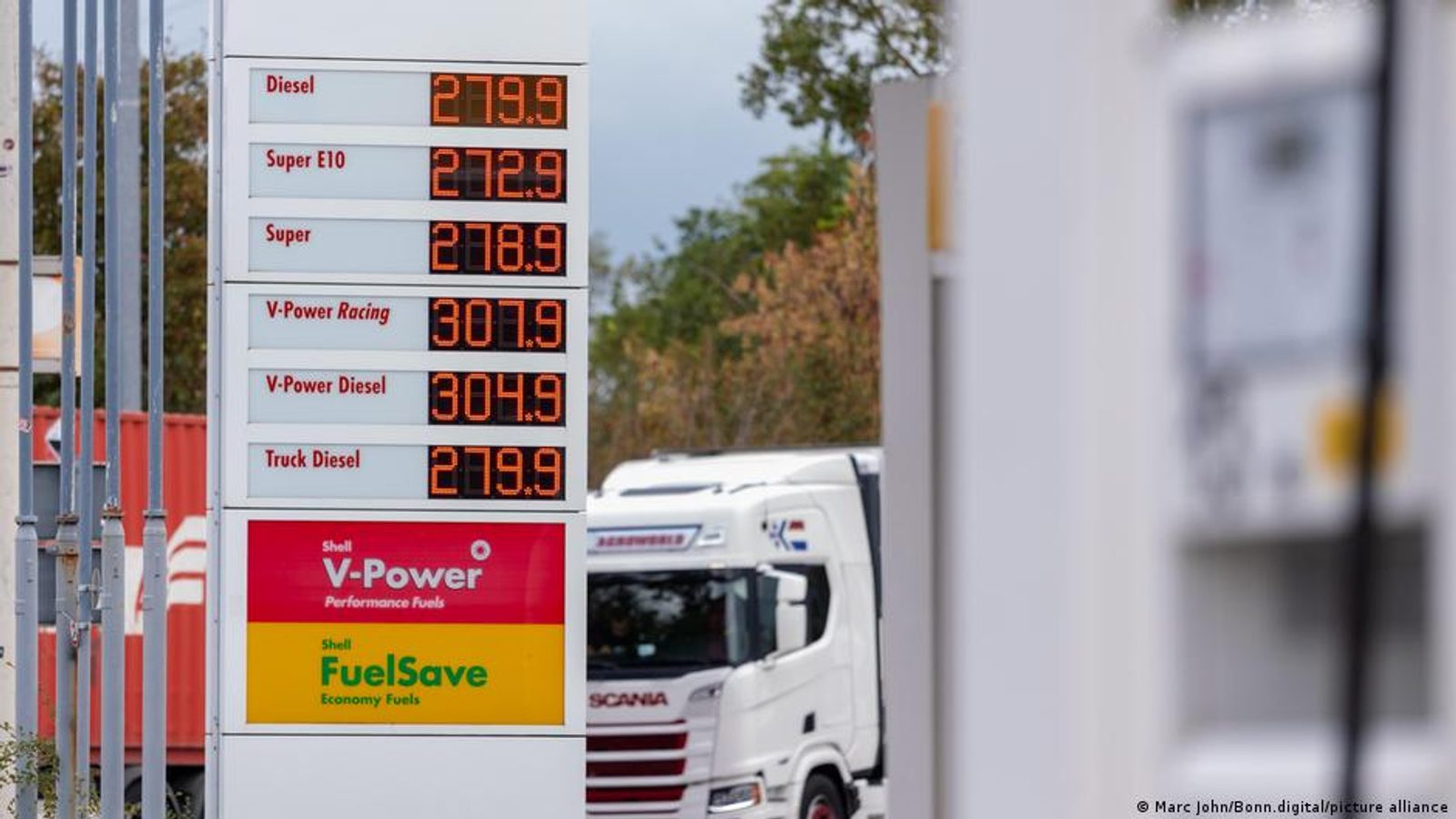
Economist Holger Schmiding of Berenberg summed up the wider context as "bad luck for Friedrich Merz," pointing to international crises — the wars in Ukraine and the Middle East, energy price rises, and volatile US policy under Donald Trump — as factors that pushed fuel and gas prices higher and complicated the government’s economic agenda. Schmiding nevertheless judged it more likely that Merz will survive the current political storm and serve until 2029.
Photo: press material from the event