Ministry: age limits on social networks must be paired with education and platform responsibility
Ministry calls for education, platform responsibility and reporting alongside any age limits

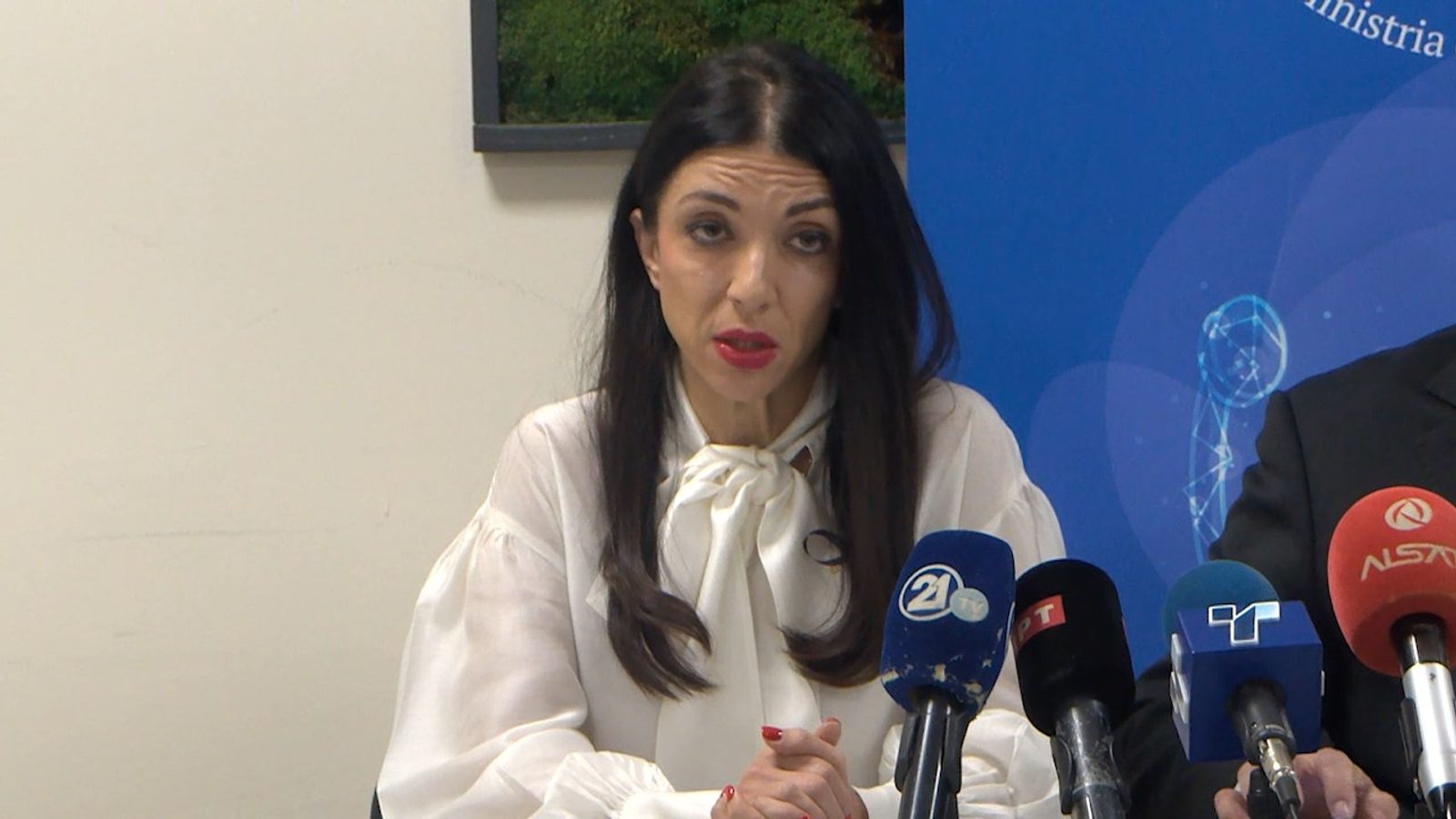
The Ministry of Digital Transformation says measures to limit minors' access to social networks can form part of a wider protection system, but they must be accompanied by education, platform responsibility and better reporting of abuses.
“Age restrictions can be part of a broader protection system, but their effectiveness depends on the way they are implemented and on the ability to prevent their circumvention,” the Ministry said in its reply dated 13 November 2026. The institution added that technical implementation should be performed primarily by platforms, with safeguards for personal data.
Through the Safer Internet centre MKSafeNet, the Ministry reports more than 3,500 pupils reached in 75 primary and secondary schools; 530 teachers trained and 154 parents involved. Topics covered include recognising online violence and scams, personal data protection and safe use of networks.
Experts: bans are not a complete solution
Psychologist Ljupka Topalovska describes cases from her practice where peer violence at school continues on social networks. She notes anxiety, reduced self‑confidence and withdrawal, but stresses multiple factors influence a child’s mental state.
“It is important that parents create a space in which children feel free to share if they are facing something unpleasant or distressing,” Topalovska says. She warns that an absolute ban may encourage covert use, allowing children to bypass restrictions without well‑developed protective skills.
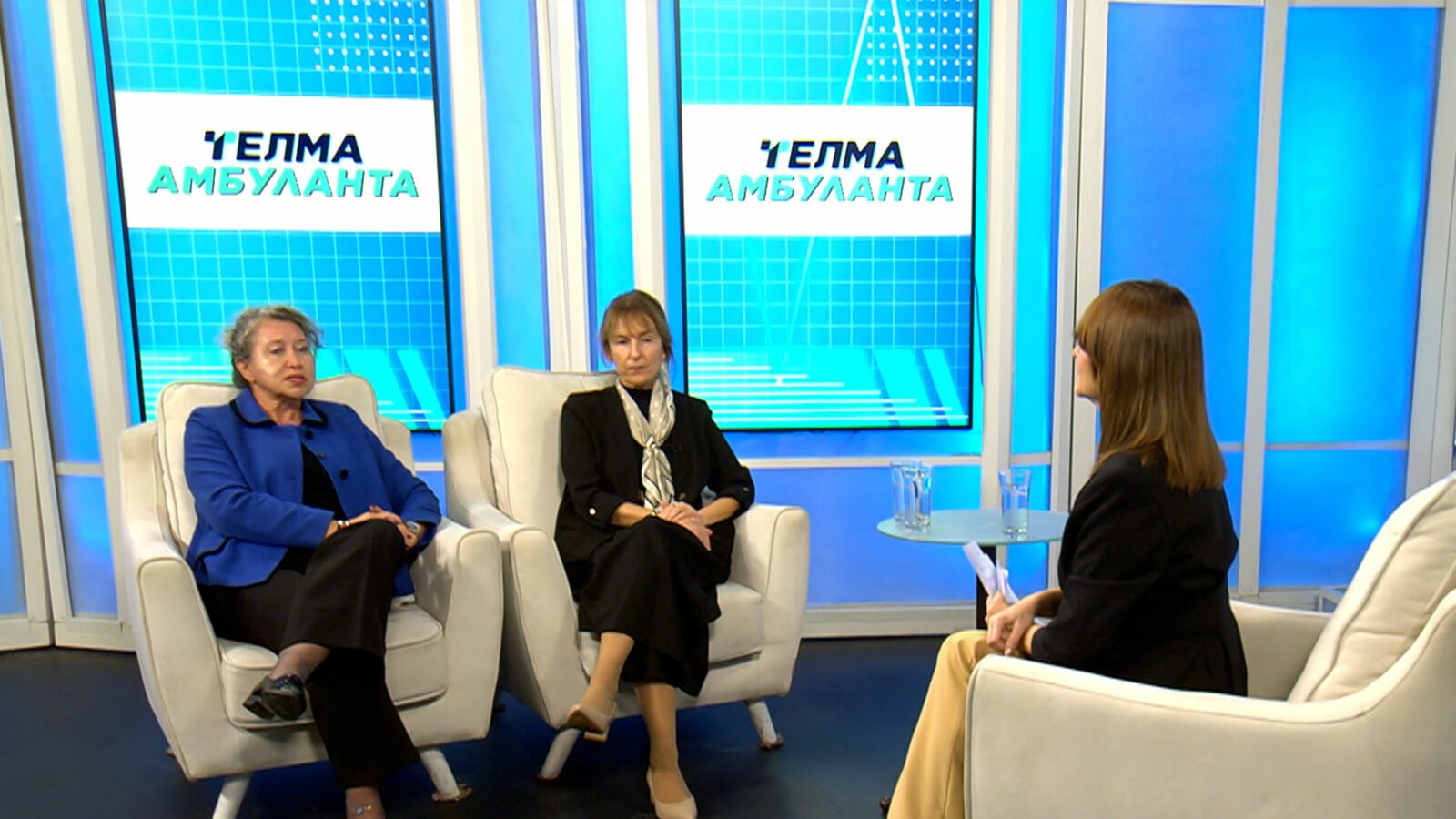
Roza Kitrozoska, a teacher of Macedonian language who works directly with minors, supports access limits and parental involvement alongside media literacy. “A ban on social networks for minors has a good intention, but by itself it is not a solution. I support limiting access, but I do not believe that a ban will completely solve the problems,” she says.
Lena Kukoska, another primary school teacher, also backs restrictions for minors but insists parents must have the conditions to spend time with their children — conversation, companionship and support instead of phones replacing adult attention. “Everything has pros and cons, depending on who,” Kukoska says.
The Ministry cites MKSafeNet research from October–December 2025 that found 41 percent of surveyed teenagers spend more than five hours online per day; the ministry’s reply did not specify sample or methodology and a full methodology was not found in checked public sources. That percentage does not indicate how many children are victims of abuse, nor how much time is spent specifically on social networks.
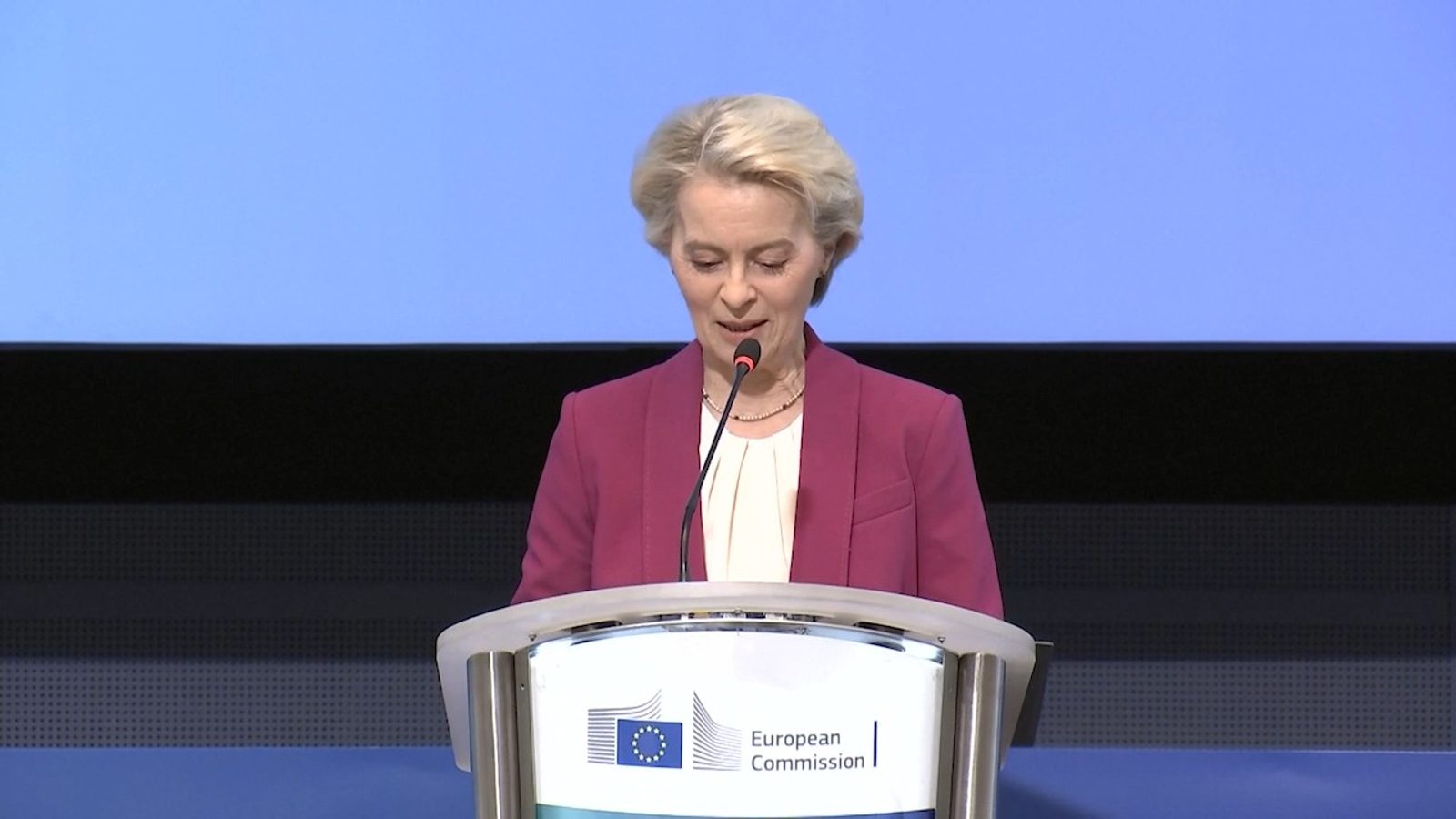
Several European countries are preparing age limits: Denmark plans a minimum age of 15 with application from July 2027; Norway is considering a rule tied to 1 January of the year a child turns 16, with a proposal expected by the end of 2026. In France the Constitutional Council in August declared a general ban for under‑15s unconstitutional. In September the European Commission proposed the EU KIDS Act — banning profiles under 13, parental oversight at 13–14, and independent profiles from 15 — but that proposal is still under consideration and does not create a new rule in North Macedonia.
In North Macedonia there is also free psychosocial and legal support for children and parents who are victims of bullying and scams on social networks, and suspected criminal activity can be reported to the Ministry of Internal Affairs (MVR).
Photo: press material from the event