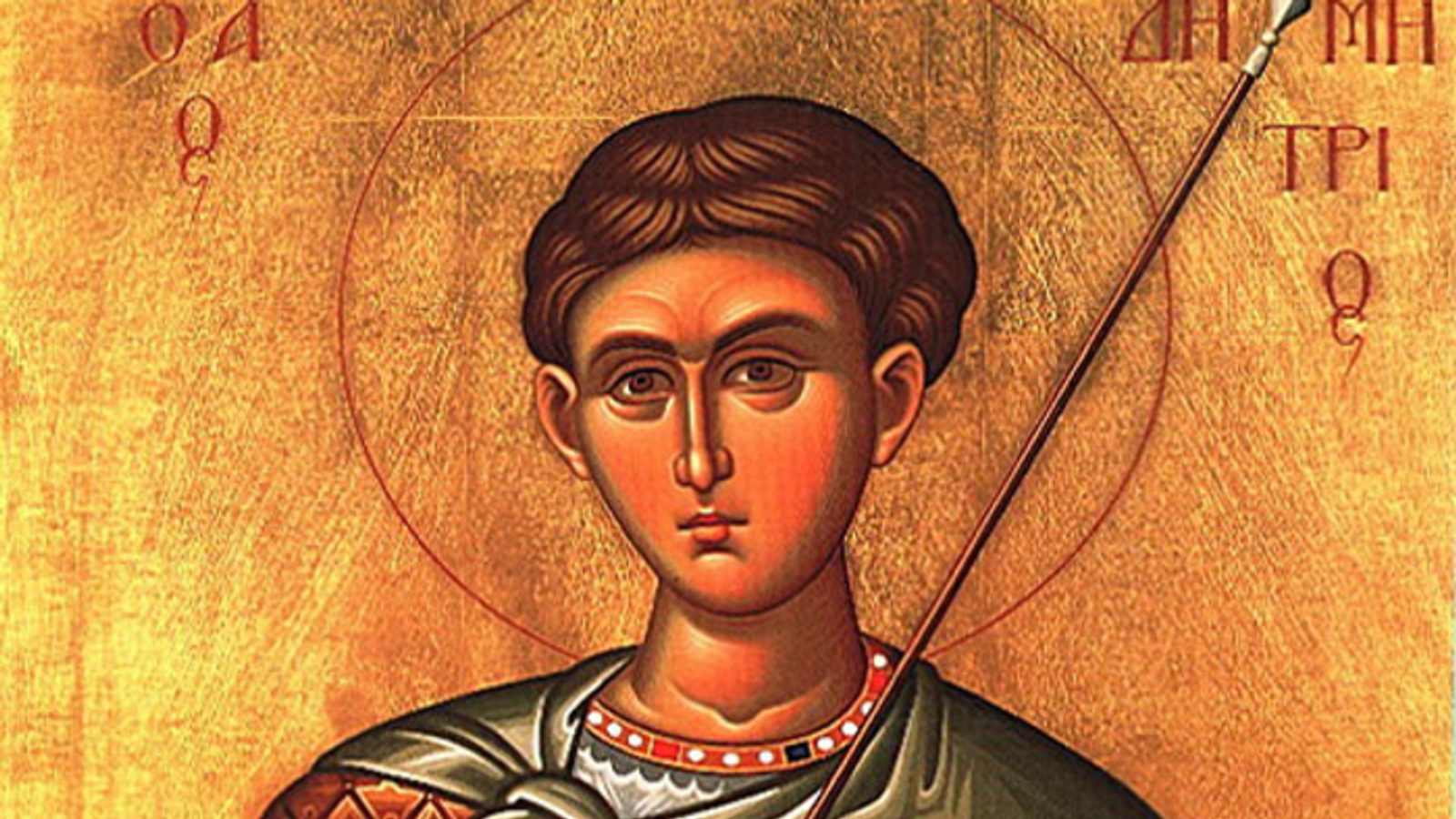
Mitrovden (8 November): essential dishes and how to set the feast
A concise guide to the traditional foods on the Mitrovden table, guest contributions and the correct arrangement and serving order.
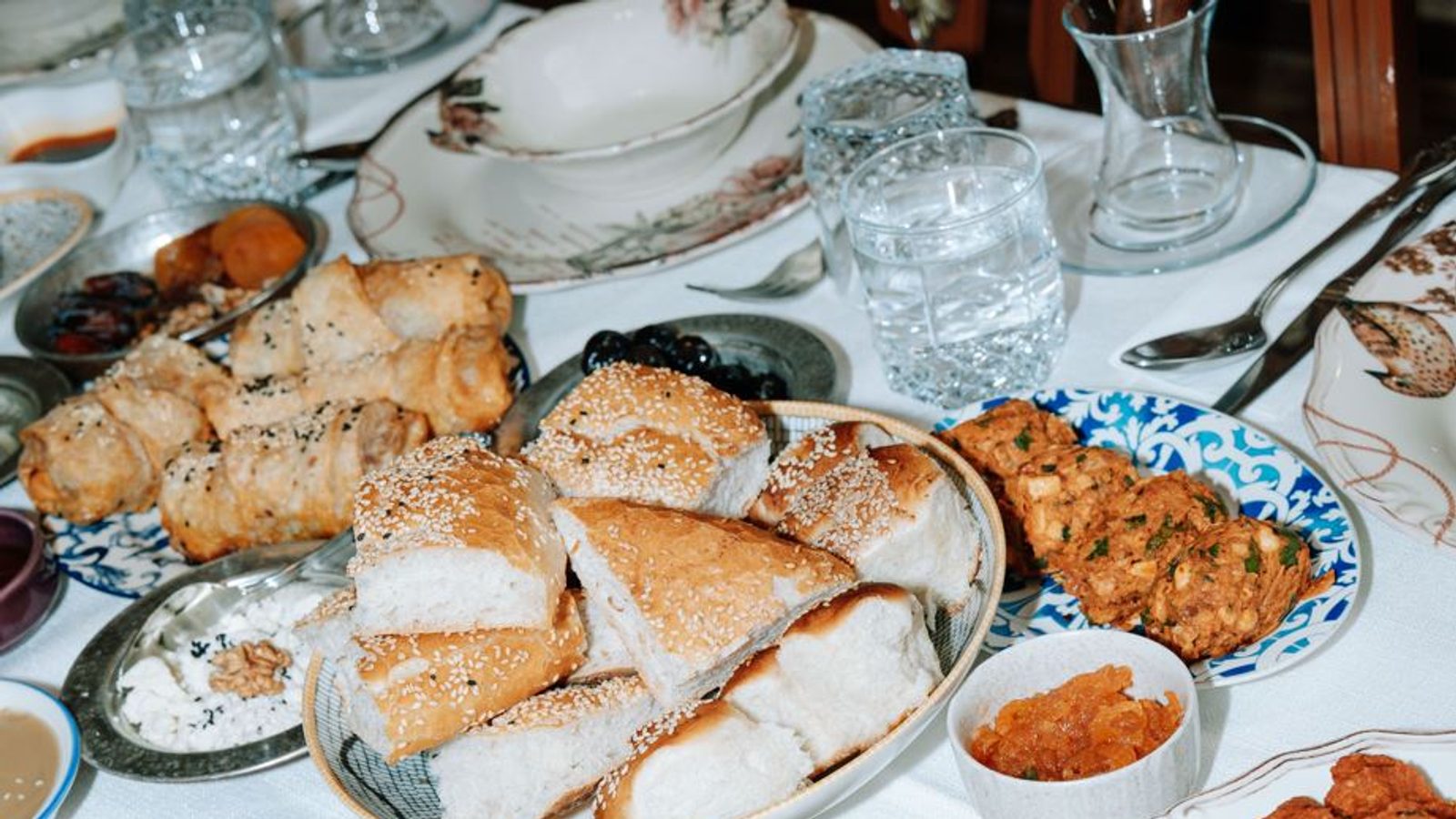
Mitrovden (8 November) remains one of the most enduring autumn feasts in the Macedonian household calendar, observed as the feast day of Saint Demetrius of Thessaloniki and primarily celebrated within the family circle. Beyond the morning church ritual of bringing the slavski bread and wine for blessing, the day is marked at home by a generous festive table — traditionally rich and, except when the feast falls on a fasting day, decidedly fatty.
On every Mitrovden table certain dishes are obligatory and each carries a clear symbolic meaning. The slavski bread (the decorated ritual loaf) is prepared as an offering of thanks for the harvest, while kolivo (boiled wheat) is cooked, blessed in church and laid out in memory of the saint and as a commemoration for departed ancestors. In Christian symbolism, the wheat grain stands for life, death and resurrection.
Roast meat — most often pork or lamb — is central to the menu. Historically Mitrovden coincided with the return of livestock from mountain pastures to stables ahead of winter; serving roasted meat on the table thus became a sign of fertility, material plenty and the host’s readiness to receive and feed visitors generously.
Homemade pulled pies filled with cheese, leek or spinach showcase the housewife’s skill and represent family warmth and the tradition of sharing. Equally indispensable are autumn preserves: pickled vegetables, ajvar and other winter preserves that symbolise gratitude for the garden’s summer bounty and provide sustenance when colder weather arrives.
What guests customarily bring
Guests never arrive empty-handed. The most common contribution is a bottle of red wine or home-distilled rakija, which is handed to the host to be opened and offered at the table. Closer relatives or godparents traditionally bring a homemade pie or a sweet pogacha, while more distant relatives often bring practical offerings such as coffee, sugar cubes, chocolate or candies.
Red wine on the Mitrovden table has both a spiritual and a social role: in religious terms it recalls Christ’s blood and the joy of the feast, while socially it warms the body before winter and encourages convivial conversation.
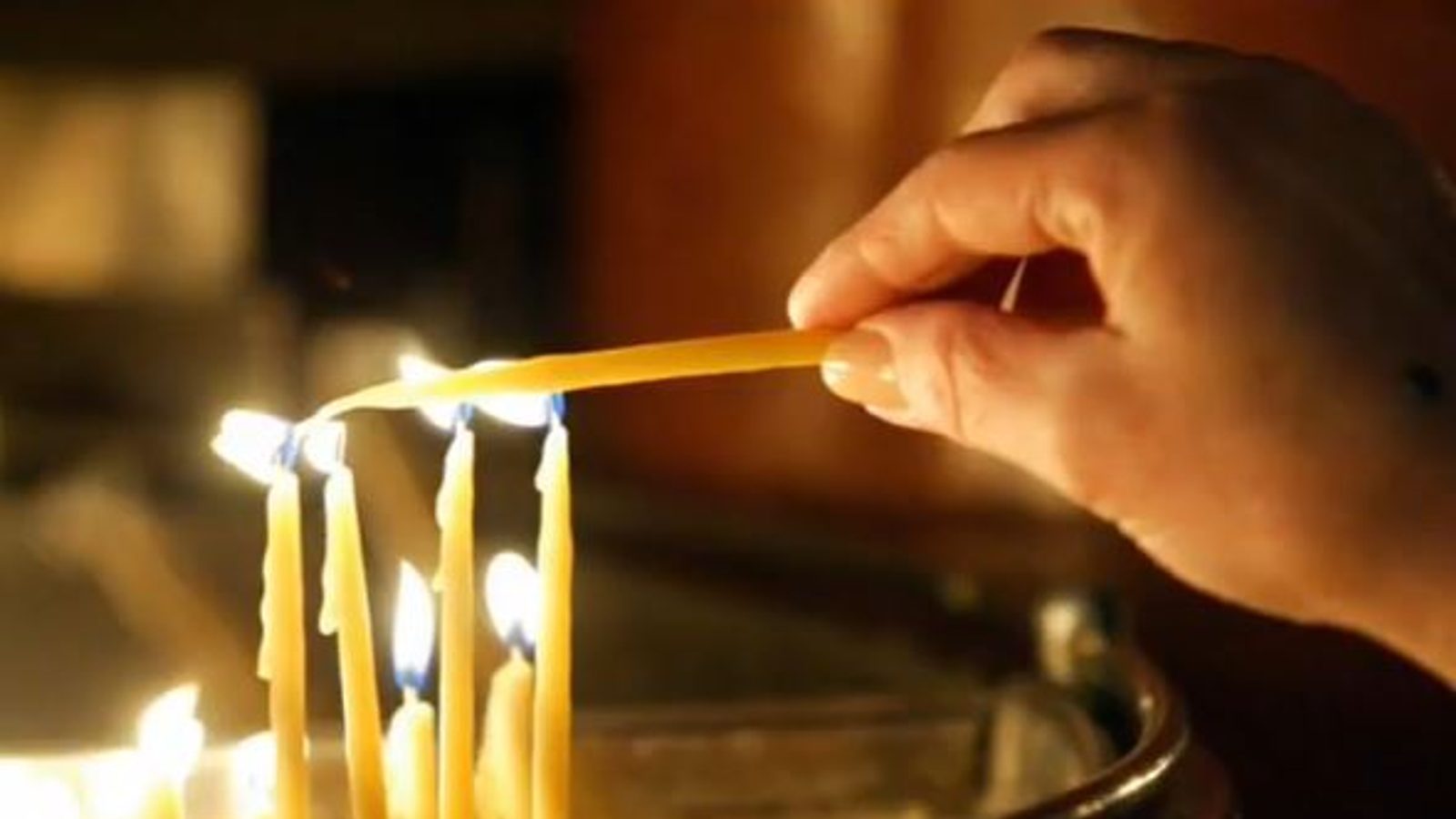
There are also firm conventions for setting the table: a neat linen or cotton cloth (usually white or with modest folk motifs), large shallow plates for mains with smaller plates for starters on top, forks on the left (main fork closest to the plate), knives and spoons on the right, and glasses arranged top-right — water, a glass for red wine and possibly a small glass for rakija. The central place is reserved for the slavski loaf, the kolivo, a lit candle and a bottle with blessed water or wine. The traditional serving order begins with a welcoming rakija and dried fruit or a small meze, followed by kolivo, the slavski bread, pies, roasted meats and salads; the main dish is served hot with a garnish (roast potato or rice) and fresh salads, and the celebration closes with coffee, dessert and the remaining red wine.
Photo: press material from the event