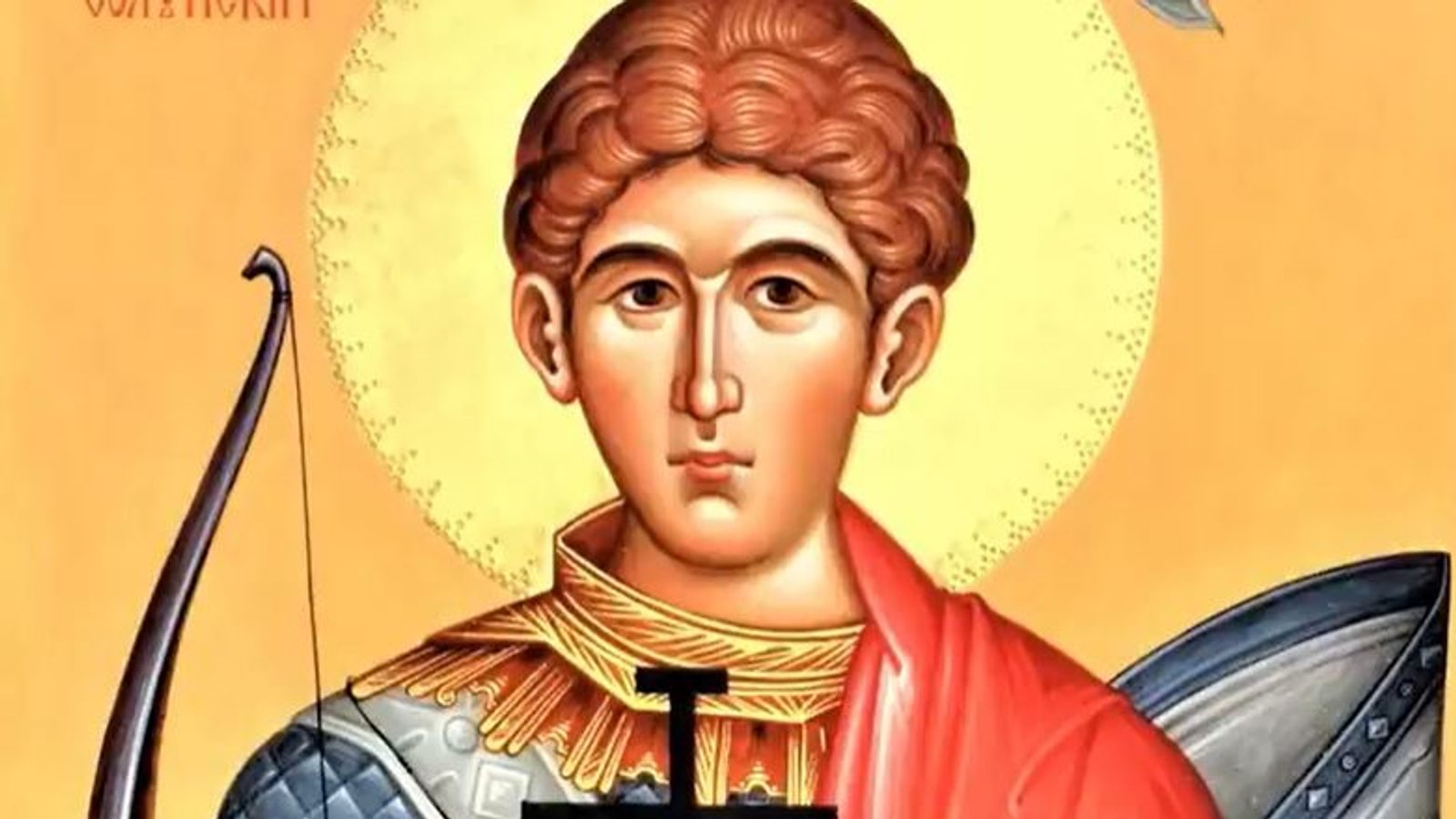
Mitrovden Zadushnica on November 7: believers visit graves and light candles
The annual Mitrovden memorial Saturday falls on November 7 this year; believers attend services, visit graves, bring wheat and light candles.
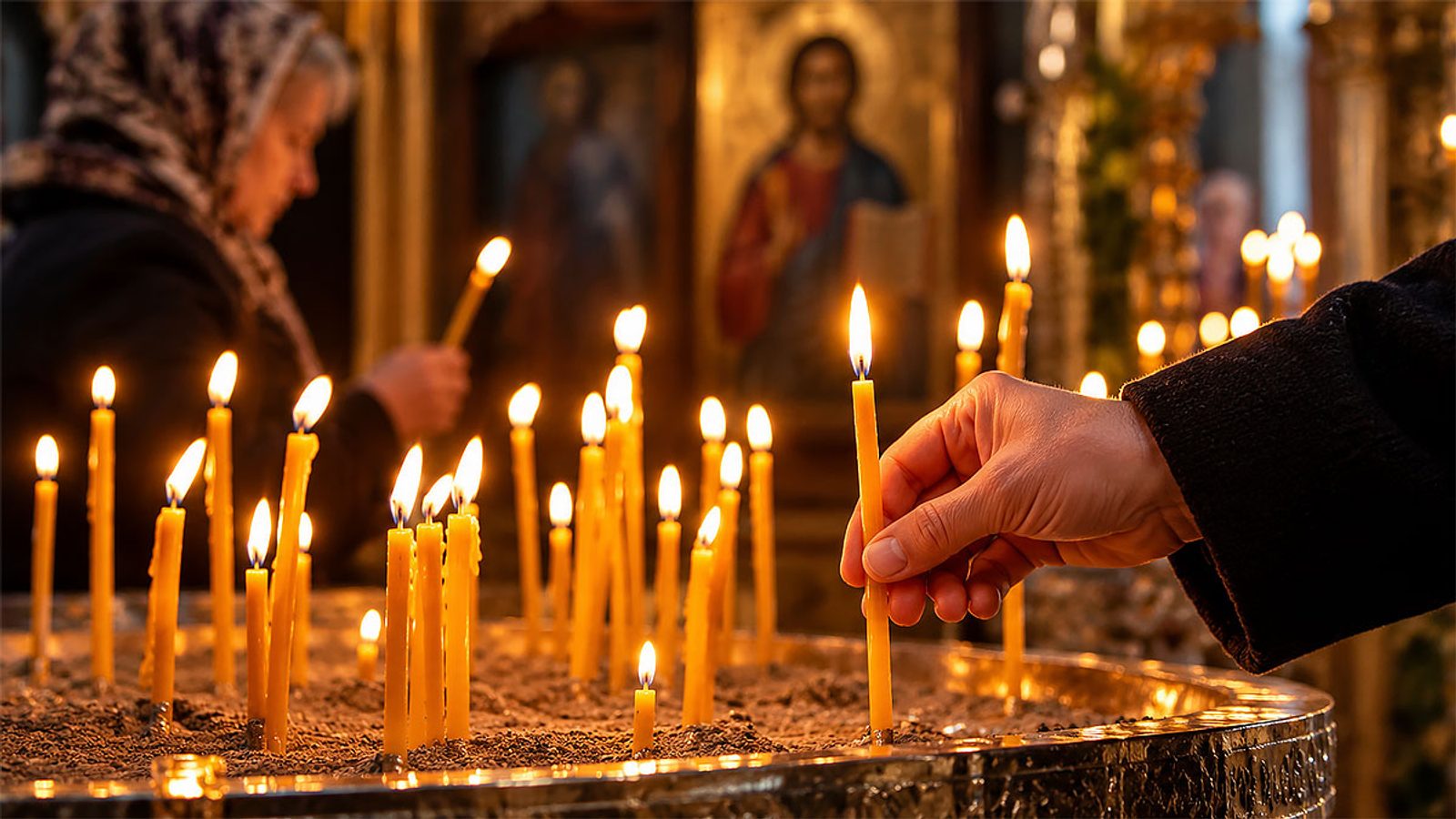
Orthodox Christians observe the Mitrovden memorial Saturday (Zadushnica) this year on November 7, keeping alive a ritual of remembrance for the dead that is observed four times a year in the church calendar.
Origin and customary practice
The church designates several Saturdays as days for commemorating the departed, and the Mitrovden Zadushnica always falls on the Saturday before the feast of Saint Demetrius (November 8). Worshippers attend liturgy and a memorial service (parastos or panikhida) in church, and many go afterwards to cemeteries where they pray, bring boiled wheat and a small loaf blessed with red wine, and light candles.
The ritual has medieval roots: it was established in the 14th century and came into wider Orthodox practice from a Russian tradition. In its earliest form the commemoration honoured soldiers who had fallen for faith and homeland, among them the monks Alexander Peresvet and Oslyabya of the Trinity Monastery, who died in the fight against Mamai. After Dmitry Ivanovich Donskoy’s victory at the Battle of Kulikovo in 1380, he visited their monastery and proposed that the church hold an annual remembrance on the Saturday nearest to the feast of St. Demetrius.
Over time the church included the Mitrovden Zadushnica among the universal parental Saturdays and expanded the commemoration so that it embraces all the deceased, not only those who fell in battle. It is therefore one of the four principal memorial Saturdays in the Orthodox calendar.
On the day families bring food to graves and to church, though taking food to the cemetery is a folk custom rather than a church rule. Special breads made from white flour known as 'prosphora' are baked; rakija, beer, wine or water are prepared; and in some places cooked wheat is served. Believers give alms to the poor and light as many candles as the number of people they remember, seeing the candlelight as a symbol of Christ’s light upon the departed soul.
Priests perform individual panikhidas and incense graves by request; if a priest is unable to attend, a layperson at the grave may use incense in his stead. When reaching a distant burial place is impossible, the faithful are encouraged to light a candle and attend a memorial in their local church.
Photo: Ilustracija (AI)