Young Berliners propelled The Left to victory — housing and education drove support
Lowering the voting age to 16 and worries over rents and school cuts helped The Left attract roughly 43% of 16–24-year-olds in Berlin's Sept. 20 election.
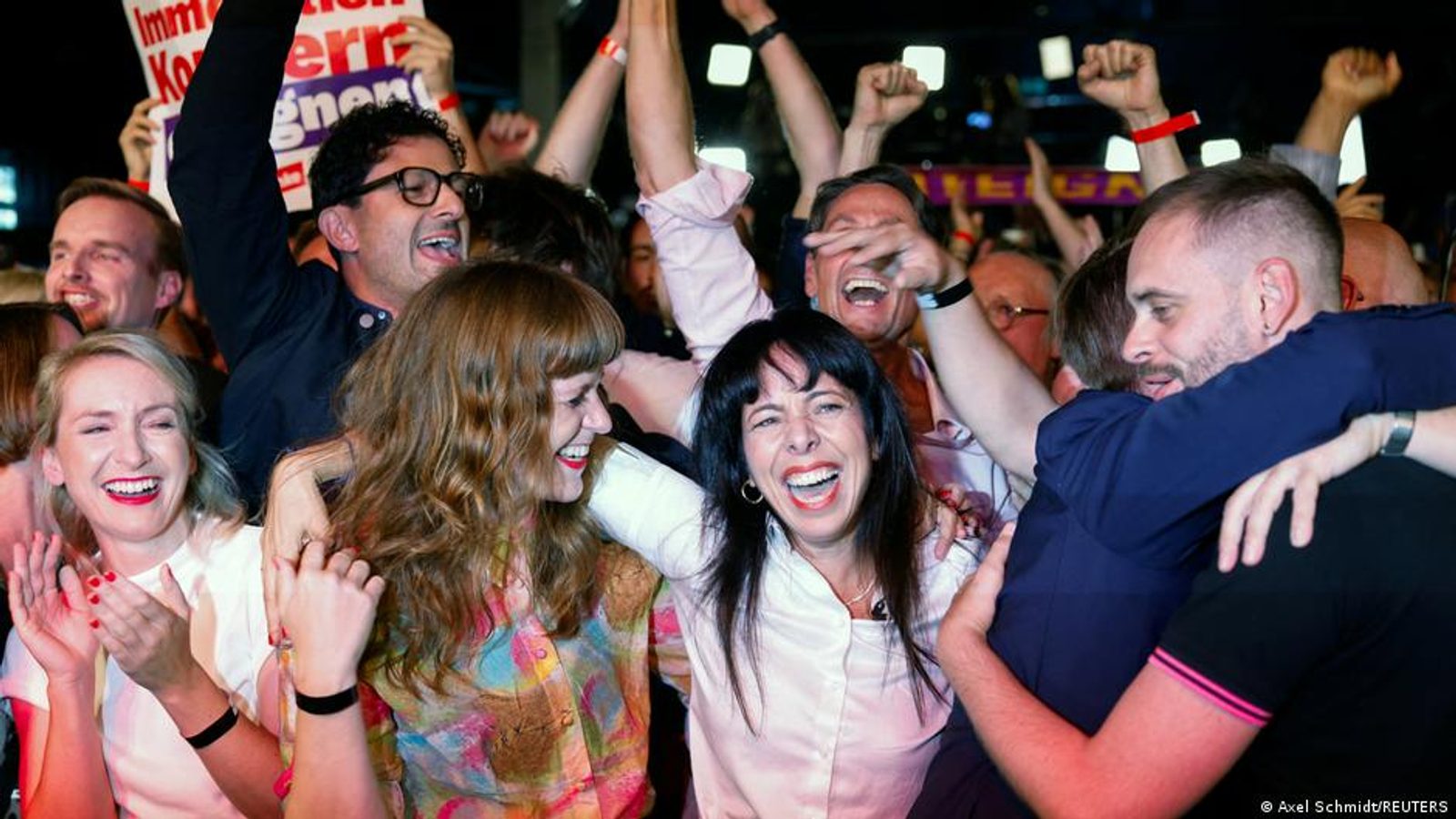
In Berlin's state election on September 20, 2026, The Left (Die Linke) secured a standout result that was heavily driven by young voters: nearly half of people aged 16–24 backed the party, analysts and exit data show. The outcome came after the city lowered the voting age from 18 to 16 for the first time, a change that resonated politically even though it added only about 55,000 new eligible voters to a pool of roughly 2.5 million.
Young voters mobilised around concrete issues
Official age-group data from Infratest dimap indicate that about 43 percent of residents aged 16–24 voted for The Left, a jump of roughly 25 percentage points compared with the 2023 state election results. The Left finished close to 26 percent overall, but the strongest concentration of its support was among younger cohorts: the 25–34 age group gave the party about 49 percent.
Personal testimony from teenagers in Berlin helped explain the shift. One 17-year-old, Cecilia, told reporters: "Of course, we talk about politics a lot at school or with friends. We are all very politically engaged and take part in lots of protests." Another 17-year-old, Liska, said: "The Left especially appealed to me because of social issues, such as lowering prices and more affordable housing."
Housing pressure is a tangible force behind the votes. Rents in Berlin rose by roughly seven percent over the past two years, hitting those trying to leave their parents’ homes hardest. Polling cited during the campaign found that 37 percent of voters believe The Left is the party most likely to deliver more affordable housing.
Education cuts were another motivator. Cecilia added: "We all reach an age when we want to move out from our parents, and that in Berlin is almost impossible. On top of that there are questions related to school and education, namely how to prevent further cuts in those areas."
Experts say the generational turn is less about ideology than about issue salience. Katrin Feze of the German Foundation for Children and Youth (DKJS) noted: "These are issues that directly affect young people. That is why we need to take them seriously and ask them for their opinion." Political researcher Gefjon Of, who studies youth political behaviour, argues young voters tend to follow topics rather than party loyalty: parties rise and fall with the issues they champion.
During the campaign, the conservative CDU and incumbent mayor Kai Wegner warned about The Left’s radical image — a message that appears to have had limited effect on younger voters. While some commentators worry that youth politics tilt toward extremes, the electoral data show that support for AfD remained concentrated among older voters; the party’s largest backing came from the 60–69 age group (about 23 percent), while only around 12 percent of 16–24-year-olds voted AfD.
Photo: press material from the event