IMF raises 2026 global growth forecast to 3.1%; Georgieva likens AI to a "slow tsunami"
IMF lifts 2026 growth forecast to 3.1% but cautions gains are uneven; Kristalina Georgieva warns AI could affect about 40% of jobs worldwide.
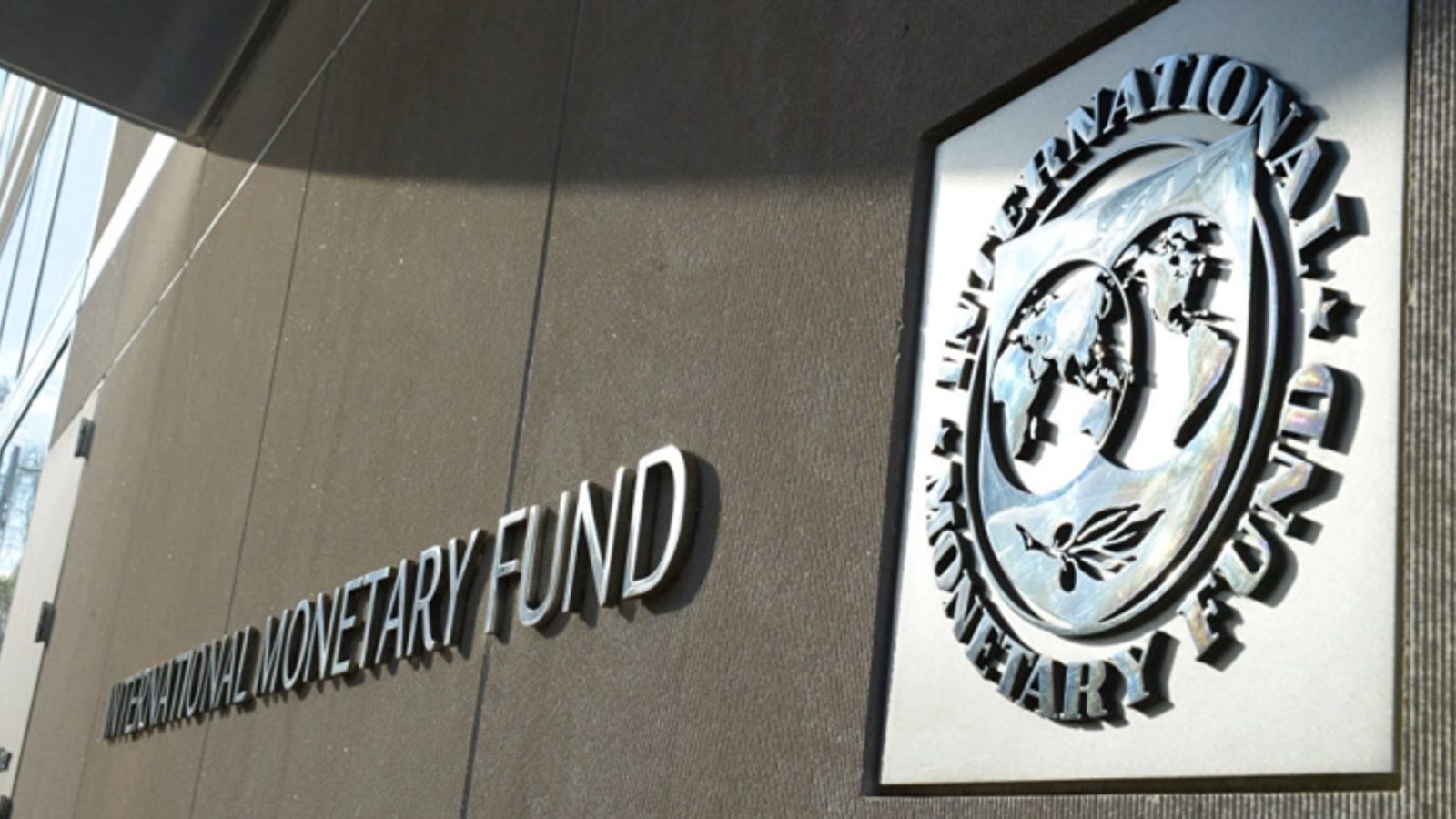
The International Monetary Fund raised its forecast for global economic growth in 2026 to 3.1 percent, a slight upward revision from the 3.0 percent projection made in June, while warning that the recovery remains fragile.
The IMF noted that the world economy expanded by 3.5 percent in 2025 and expects the United States to record steady growth of 2.3 percent in both 2026 and 2027. The Fund also raised its outlook for oil prices, saying it now expects prices this year to climb by almost 41 percent to an average of $96 per barrel, a development that would push global inflation to 4.7 percent in 2026, up from 4.1 percent last year.
Imbalances in growth and the role of AI
The updated report, released ahead of the IMF and World Bank autumn meetings in Bangkok, emphasized that gains from advances in artificial intelligence are not evenly distributed. The United States and China account for more than three-quarters of net import demand for computer chips and other AI-related equipment, the Fund said.
Silvana Tenreyro, the IMF's director of research, told delegates in Bangkok that economic prospects are strikingly uneven. The report highlighted a concentration of growth: 32 countries now represent 95 percent of global expansion, compared with 54 countries in April.
IMF Managing Director Kristalina Georgieva described AI's effect on labour markets as "a slow tsunami, but still a tsunami." She added: "We estimate that over time about 40 percent of jobs worldwide will be affected — some will be upgraded, others downgraded or eliminated. Some of that impact we already see," Georgieva said.
The Fund projects growth in advanced economies to edge up to 2.1 percent in 2026 from 2.0 percent in 2025, then to slow to 1.9 percent in 2027. Those forecasts assume that oil and gas shipments through the Strait of Hormuz are restored by March and that AI-related demand eases moderately.
Photo: press material from the event