MOL asks EU to bankroll infrastructure needed to switch from Russian oil
MOL says technical readiness to end Russian oil by end-2027 hinges on EU-backed infrastructure and finance.
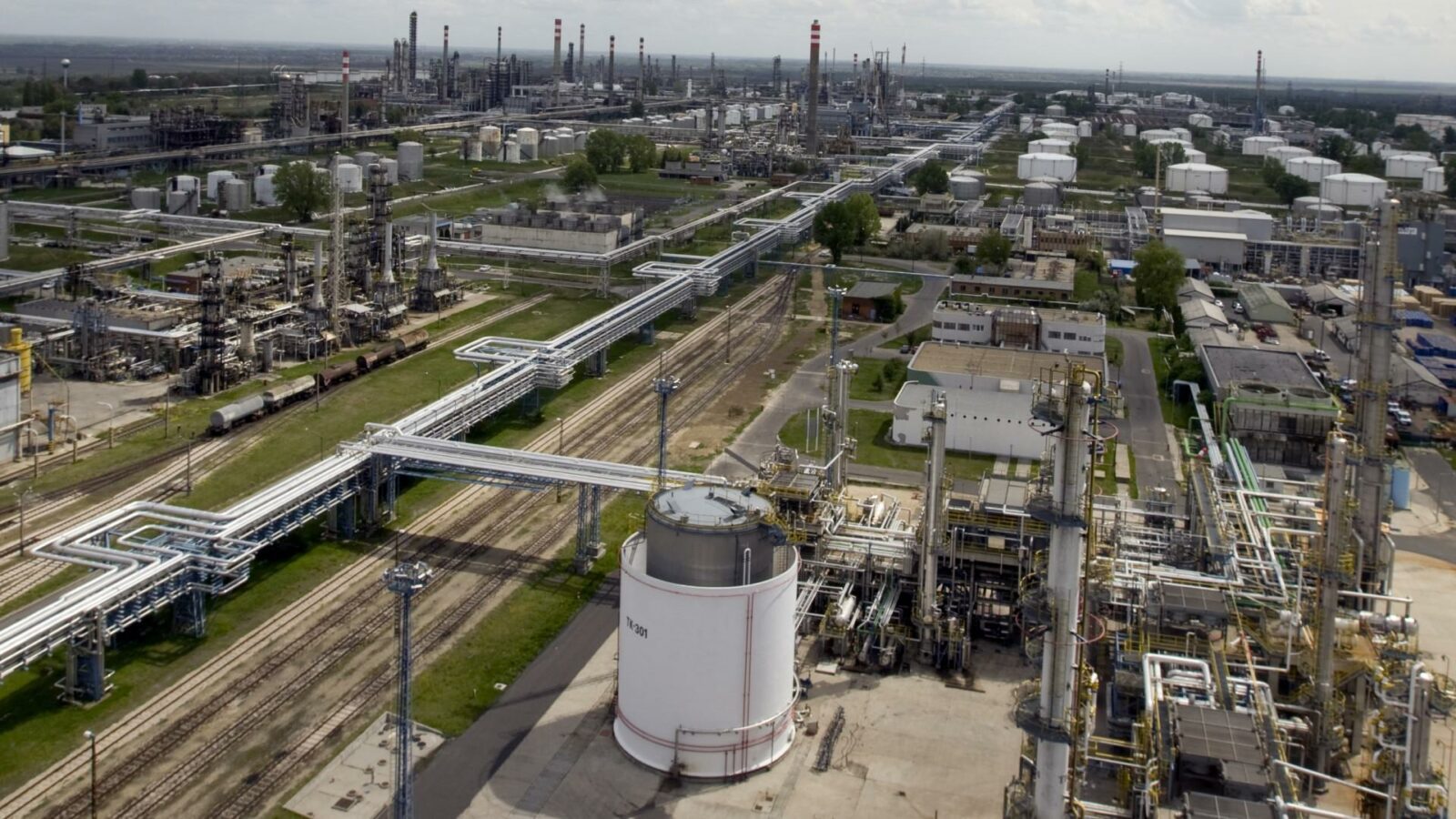
Hungary’s oil company MOL has told EU officials it will seek European Union funding to build the transport and storage infrastructure needed to shift supplies away from Russian crude, arguing the investments are a prerequisite for ending purchases from Russia.
Why MOL says money is necessary
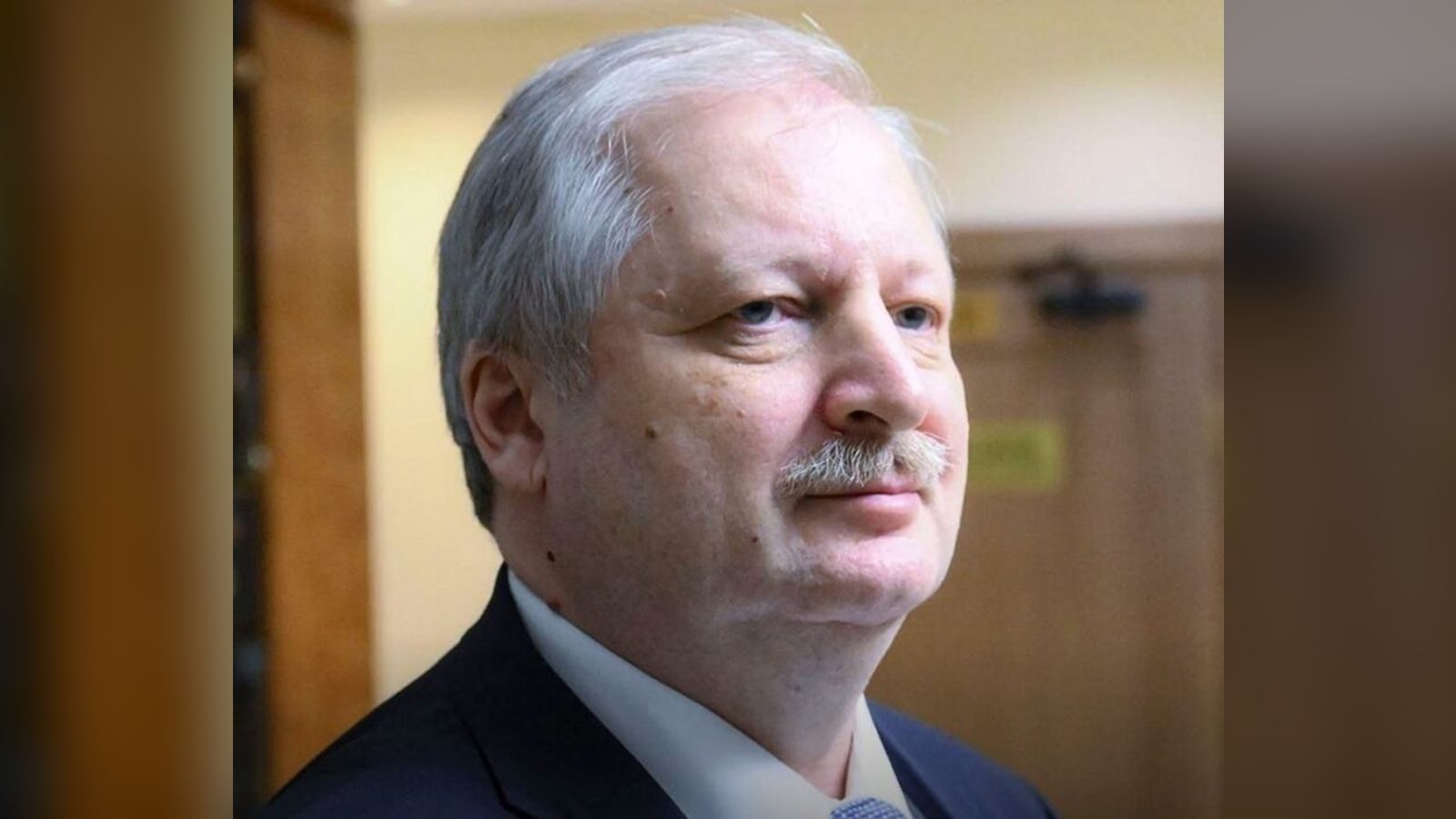
György Bacsa, MOL’s managing director for Hungary, said the company could be technically ready to stop taking Russian oil by the end of 2027, but warned that replacing pipeline supplies with alternative routes will be more expensive and could put upward pressure on energy bills and political stability in Hungary and neighbouring Slovakia.
([eenews.net](https://www.eenews.net/articles/hungary-ready-to-quit-russian-oil-for-a-price/?utm_source=openai))International Monetary Fund simulations indicate that a complete cut-off of Russian energy flows could raise Hungarian energy expenditures by roughly 15 percent by 2030 unless compensating policies and new infrastructure are put in place.
([imf.org](https://www.imf.org/-/media/files/publications/cr/2025/english/1hunea2025002-source-pdf.pdf))One immediate alternative for delivering crude to Central Europe is the Adria pipeline, which carries oil from the Adriatic coast through Croatia. But MOL and Croatia’s pipeline operator JANAF have clashed over available capacity and transit tariffs, a dispute MOL wants the European Commission to help resolve.
([molgroup.info](https://molgroup.info/en/media-centre/press-releases/mol-and-janaf-agreed-on-terms-for-long-term-capacity-tests?utm_source=openai))Another route under consideration is a link to the TAL system from the Italian port of Trieste. Despite these options, Hungary and Slovakia remain among the EU members most reliant on deliveries via the Druzhba pipeline, making the transition logistically and politically complex.
([apnews.com](https://apnews.com/article/70306716b21715d890c63a9db65ac3d8?utm_source=openai))MOL emphasises that abandoning Russian supplies is not merely a political choice but requires substantial investment in new pipelines, terminals and related infrastructure. The company is requesting that a portion of such costs be covered by EU funds, while Brussels continues to pursue policies to reduce member states’ dependence on Russian hydrocarbons; so far, however, there is no final decision on European financing for the projects MOL has proposed.
([eenews.net](https://www.eenews.net/articles/hungary-ready-to-quit-russian-oil-for-a-price/?utm_source=openai))Photo: press material from the event