Mount Everest: urine and fuel accelerate melting on the Khumbu glacier
About 6,000 liters of urine per day and fuel use that melts 2.5–3 million kg of snow add measurable stress to the Khumbu glacier.
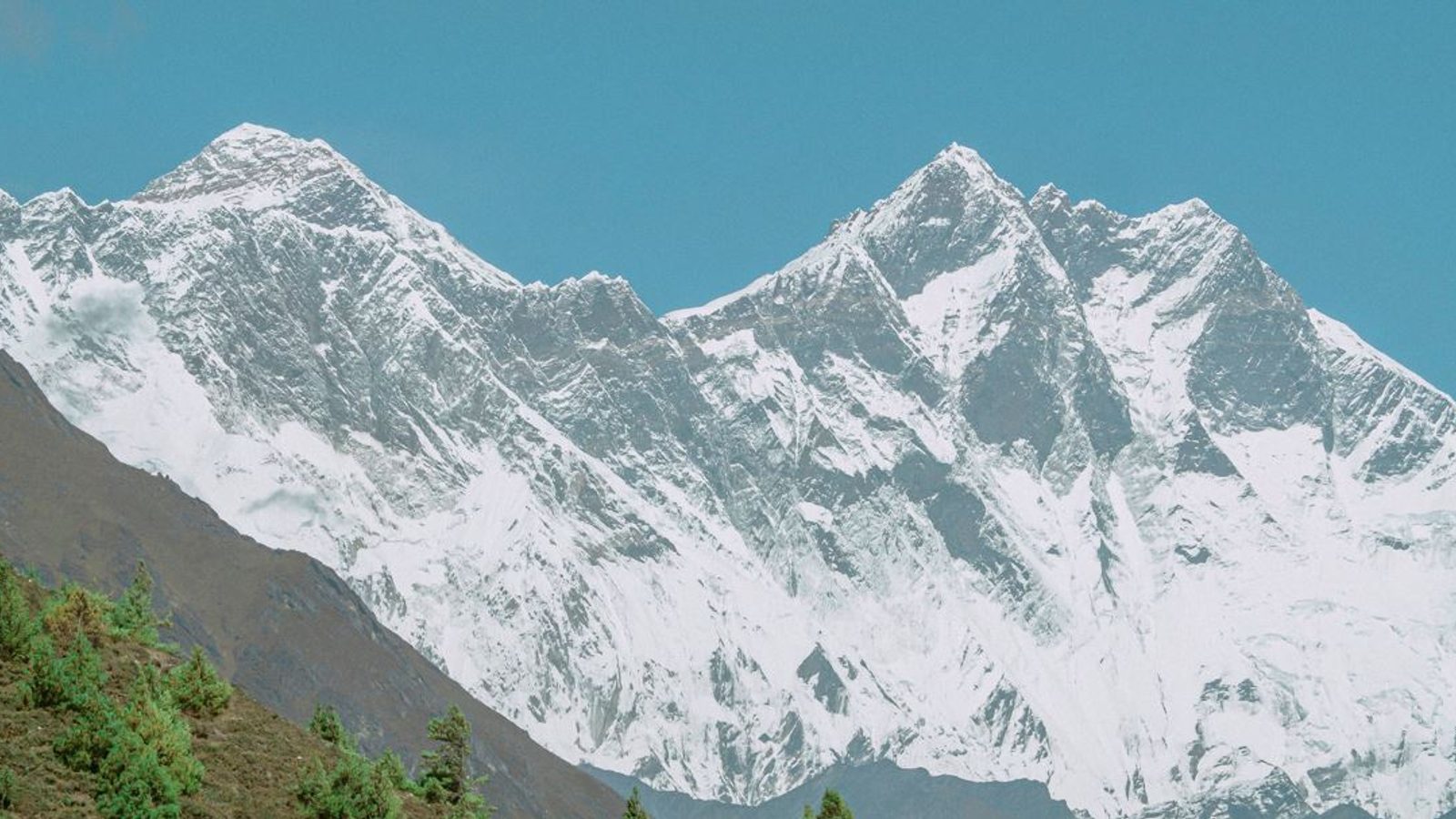
What many visitors see as the planet's most iconic summit hides an accelerating environmental problem at its feet: Mount Everest’s Base Camp has become a small, energy-hungry settlement whose wastewater and fuel use are speeding the melt of the Khumbu glacier.
Daily human waste and camp energy add measurable melt
Field teams report that climbers and support staff produce roughly 6,000 liters of urine every day at Base Camp. With no system to collect or treat liquid waste, most of it soaks into the snow and ice of the Khumbu glacier.
Researchers have quantified the wider footprint of the modern camp. The fuel and gas burned for heating, cooking and equipment operations during the season cause melting estimated at between 2.5 and 3 million kilograms of snow and ice. The liquid waste alone is estimated to melt an additional 154 tonnes of ice per day, equal to about 5–6 percent of the glacier’s seasonal load.
The camp today resembles a temporary mountain town: cafés, satellite internet, showers and stalls have multiplied to meet the needs of thousands of visitors. Those conveniences require hundreds of gas cylinders and large amounts of other fuels that are consumed while expeditions operate.
Scientists caution that global warming remains the principal driver of glacier loss, but local human activity is magnifying the process. Measured ice loss rates on Everest’s slopes have roughly doubled since 2009, and the cumulative effect of tourism infrastructure and unmanaged waste is an additional stressor on already vulnerable ice.
The consequences are not only scenic: accelerated melting enlarges glacial lakes and weakens natural moraine dams. If such lakes breach, downstream valleys could face catastrophic floods, debris flows and avalanches that threaten communities below the high slopes. Because of those risks, authorities are weighing whether to move the Base Camp to more stable ground.
The story of waste at Everest’s highest camps is stark but simple: when large numbers of people bring the comforts of lowland life to fragile high-altitude ecosystems, relatively small daily inputs — urine, fuel and trash — can produce outsized and long-term damage to ice that took millennia to form.
Photo: press material from the event