Aleksandar Vučić: five cases that put criminal liability back in focus
Allegations ranging from an alleged sound weapon in 2025 to a deadly Novi Sad collapse and controversial pardons have renewed calls for judicial scrutiny.
Serbia's former president Aleksandar Vučić faces renewed scrutiny as five separate probes and controversies raise the question whether he could be held criminally responsible. The matters range from an alleged use of a "sound cannon" at the 15 March 2025 Belgrade protest to a corruption-linked probe over the General Staff buildings, the fatal collapse of a station canopy in Novi Sad, a batch of controversial pardons, and his unexpected role in the Darko Šarić money‑laundering trial.
What the authorities are looking at
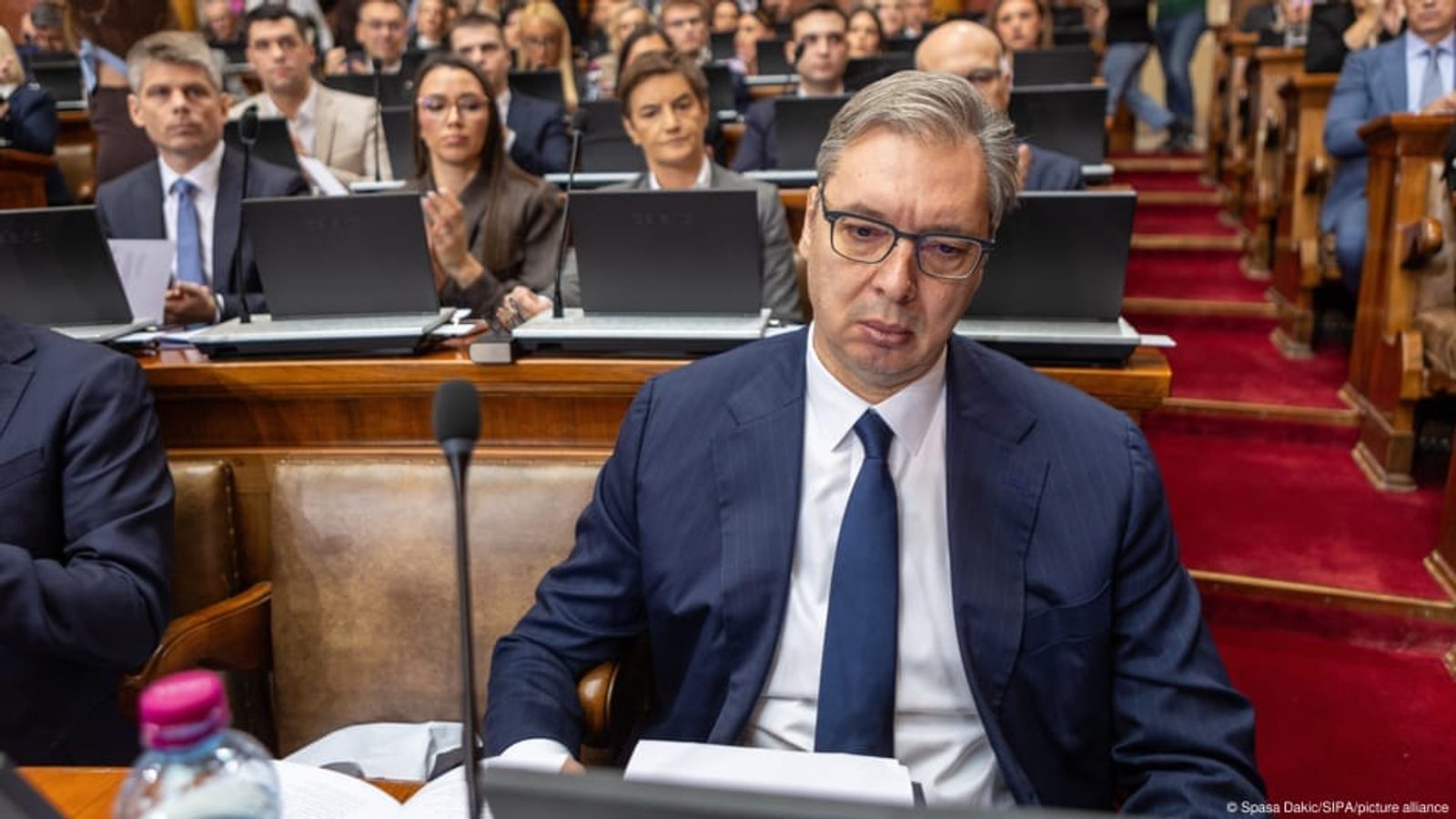
Vučić has denied any basis for prosecution and has repeatedly rejected the allegations. Speaking in parliament on 24 November 2026 and two days later on the pro‑party broadcaster TV Pink, he told critics: "You want to prosecute the president — for what exactly? The president does not sign anything that involves money." He also dismissed suggestions he might be arrested as "stupid" and said that, if detained, he would begin "a hunger strike which he would not survive."
The most immediate procedural development involves the alleged use of a sound weapon during the 15 March 2025 demonstration in Belgrade. Six civil‑society groups, including the Belgrade Centre for Human Rights, say the European Court of Human Rights has asked the Government of Serbia to submit comments by 15 January 2027. The groups have called for the case to be taken over by the Public Prosecutor’s Office for Organized Crime (the JTOK), arguing that neither the Higher Public Prosecutor’s Office in Belgrade nor the First Basic Public Prosecutor’s Office have conducted a sufficiently thorough inquiry so far.
Experts suggest that a JTOK investigation could widen the scope of scrutiny to senior officials from the previous administration. Petar Vidosavljević of the Belgrade Centre for Human Rights warned that investigators must establish more than whether a device was used: they must determine "who planned its potential use, who approved it, with what aim, and whether there was an organised cover‑up of responsibility." He added that "The final legal qualification will depend on the facts established during the investigation."
Police and then‑minister Ivica Dačić previously displayed a device they possess and denied it had been used during the protests, a claim that remains central to the factual dispute.
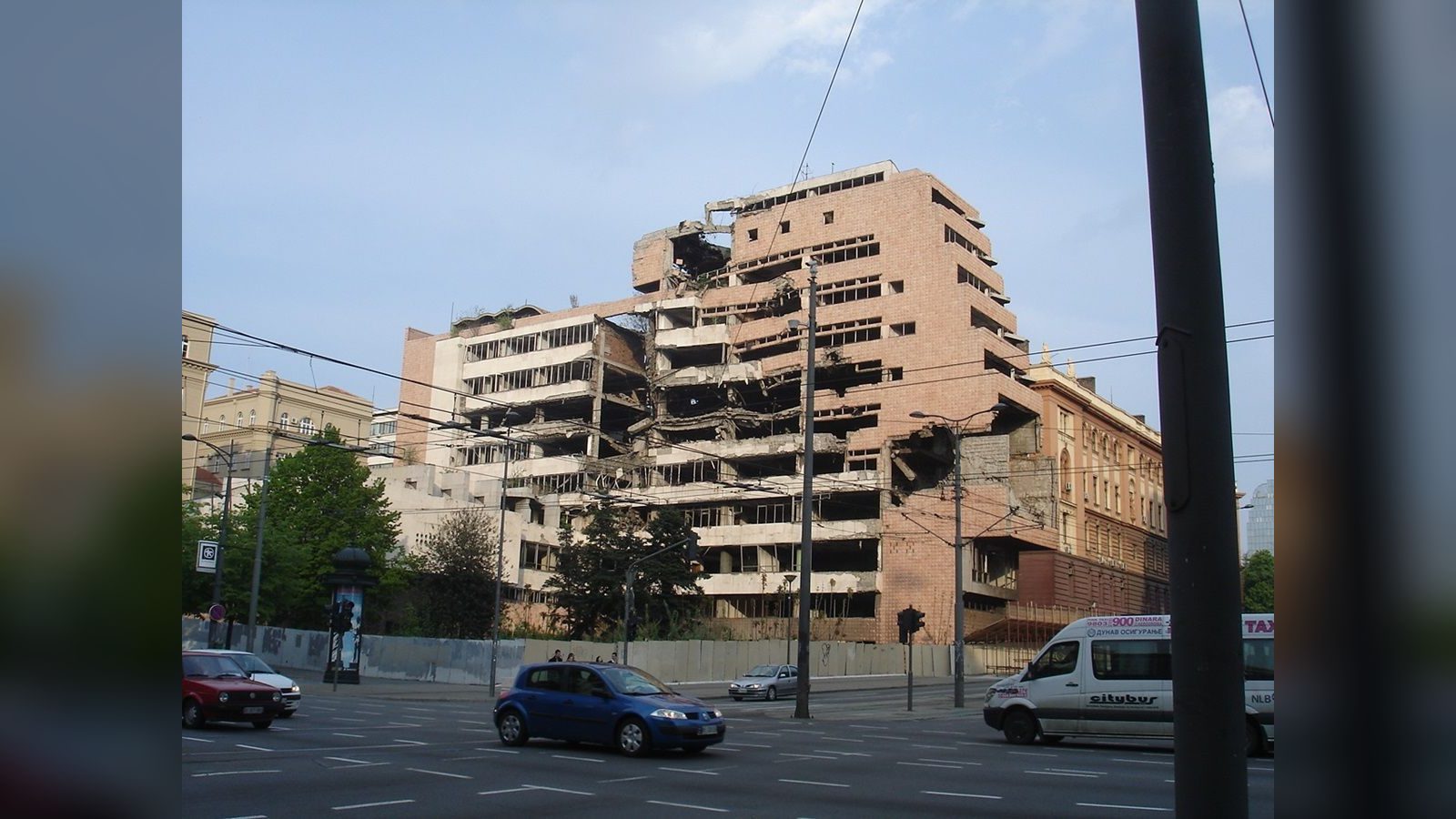
Separate inquiries touch on the General Staff ("Generalštab") affair. The Public Prosecutor’s Office for Organized Crime says it has evidence that Vučić attended a meeting convened with representatives of institutions responsible for cultural‑heritage protection after a request to strip the General Staff buildings of protected status. A trial is already underway that includes Nikola Selaković, the acting culture minister in the technical government, who faces up to three years in prison; prosecutors say their pre‑investigation will also examine whether other individuals should be charged.
The Novi Sad canopy collapse — which killed 16 people — remains one of the most explosive dossiers. An inquiry committee concluded more than a year ago that the catastrophe stemmed from the actions of an organised criminal group and found founded suspicions that Vučić stood at its head. Former Supreme Court president Vida Petrović Škero told investigators: "Looking at all those documents (published on the Government of Serbia's website) we established that a group of individuals acted there who had broad powers to do something in relation to the investment, within which was the reconstruction of the canopy which collapsed. All of that ultimately ended up with the head of the president's cabinet." She added that "The president does not have the authority to oversee such construction work," and called for tracing the flow of millions of euros allocated to the project.
Other questions include a petition from an informal group called "Defense of the Profession" asking JTOK to investigate the legality of 49 presidential pardons. Petrović Škero said Vučić "could be held accountable for abuse of official powers if it is established that he did not respect the legal procedure, specifically if he failed to seek consent from competent institutions before making the pardon decisions."
Finally, Vučić's possible testimony in the trial of Darko Šarić — accused of laundering money from cocaine trafficking — has drawn attention after publication of encrypted Sky messages that allegedly mention him. The presiding judge proposed summoning Vučić as a witness; Šarić's defence has requested the recusal of the trial panel and the Higher Court president must now rule on that petition. Any move toward indictment or trial of Vučić would, however, depend on prosecutorial decisions and the facts unearthed by the ongoing probes.
Photo: press material from the event