EuroVolley 2026 to test new volleyball rules
FIVB proposals — including up to eight substitutions per set, 12–14 player rosters and bookmarking challenges — will be trialed during EuroVolley 2026.
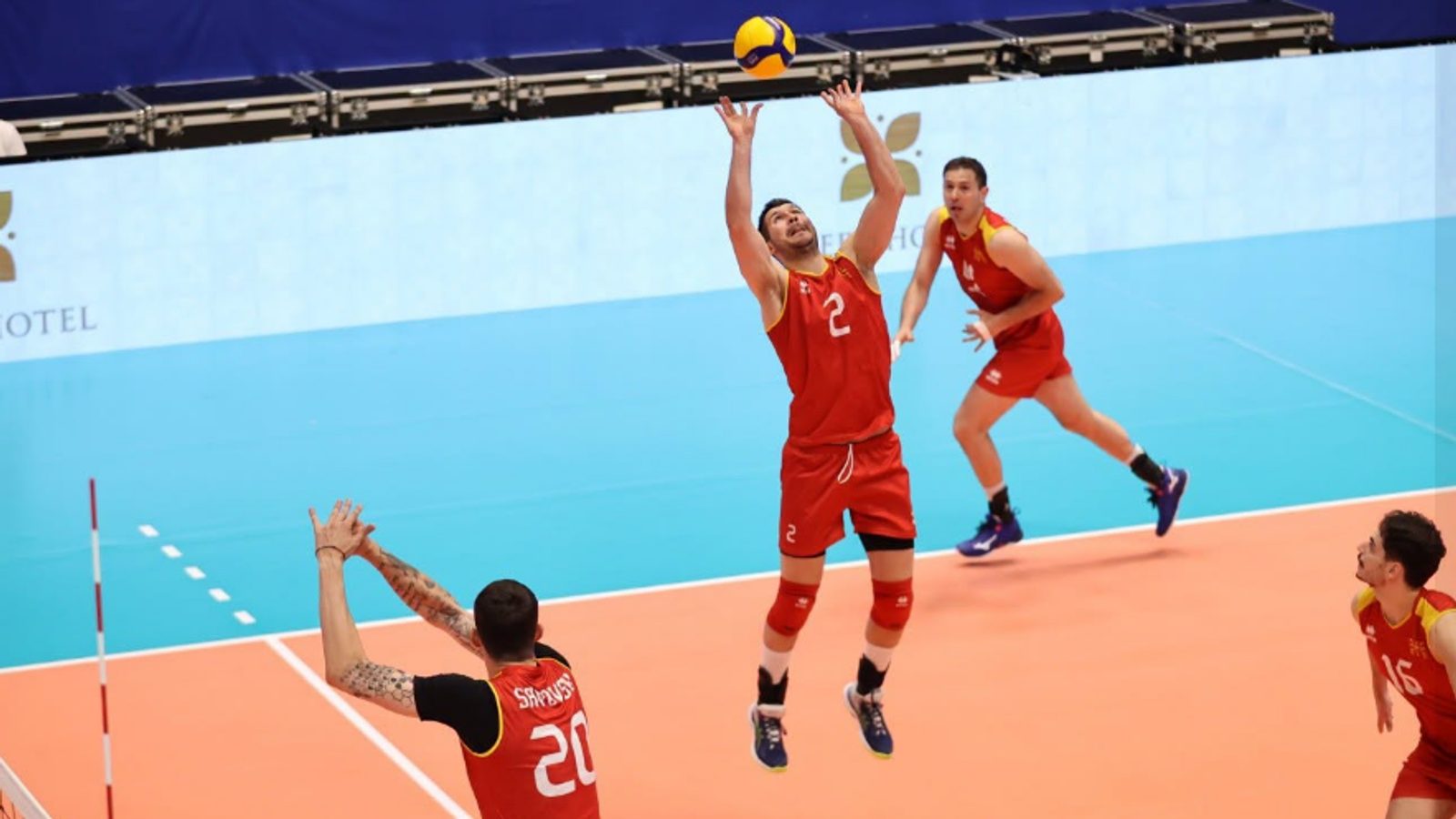
EuroVolley 2026 will serve as a major live test of several proposed changes to the official volleyball rules, the FIVB has announced for competitions staged this year. Organizers and referees will observe how the amendments affect the pace of play, the number of stoppages and the clarity of on-court decisions for players, coaches and spectators.
Key measures being trialed during the tournament
The experiments were already applied over the summer in events that included the European League 2026, the 2026 Nations League, the U17 World Championship and both the men’s and women’s European Championships. The principal proposals now being assessed at EuroVolley include changes to substitutions, roster size, challenges and service procedures.
Double contact on the second touch: No change — the second touch (the lift) will still be permitted as long as the ball remains on the team’s side.
Rotation and movement at service: Teams must be correctly positioned at the referee’s whistle for service, but once the server begins the motion to serve, players may shift away from their rotation positions.
Substitutions: The number of allowed substitutions will increase from six to up to eight per set.
Roster and libero rule: Teams can register between 12 and 14 players for FIVB-organized matches, with at least one libero mandatory. Two liberos may be registered, and the choice of which libero will play must be made no later than one hour before the match.
Ball strikes the ceiling: If the first or second ball hits the ceiling or an overhead structure and remains playable on the same side, play continues; if it crosses into the opponent’s court, a fault is awarded.
Stricter enforcement of lifts: Attack plays and ball handling will be judged more strictly for carrying or dragging — catching, throwing or changing the ball’s direction with both hands will not be allowed. Only a quick, clean and clear play is acceptable.
Challenge changes — bookmarking during rallies: Teams will be able to mark ("bookmark") a situation during a rally for possible later review. If a team then loses the rally, it may request a review of only one of the previously bookmarked situations. Situations that were not bookmarked during the rally cannot be challenged later.
Challenge for defence and reception touches: A challenge may be requested for a touch on defence or service reception, but the video must clearly show the contact to overturn the on-court call; otherwise the original decision stands.
Fewer pauses after challenges: After a challenge finishes, the team that requested it will not be able to immediately call a timeout before the next point; the opposing team retains that option. The measure is intended to reduce unnecessary stoppages and preserve match flow.
Fewer whistles for obvious situations: Referees will not be required to stop play for outcomes that are clearly evident—for example, when the ball is clearly in or out, when a service clearly fails to cross the net, or when there is an obvious block touch that sends the ball out.
Coach access to first referee for clarification: The head coach may approach the first referee to request clarification on a challenge or a decision, but this does not permit formal protesting of the call.
Separate service warm-up: Teams will receive separate 90-second service warm-ups: Team A first for 90 seconds, then Team B for the following 90 seconds, a change introduced primarily for player safety.
All of these proposals remain experimental and are not final amendments to the rules. EuroVolley 2026 will provide a further opportunity for the FIVB to evaluate how players, coaches and officials adapt and whether the changes improve the match dynamics and spectator experience.
Photo: press material from the event