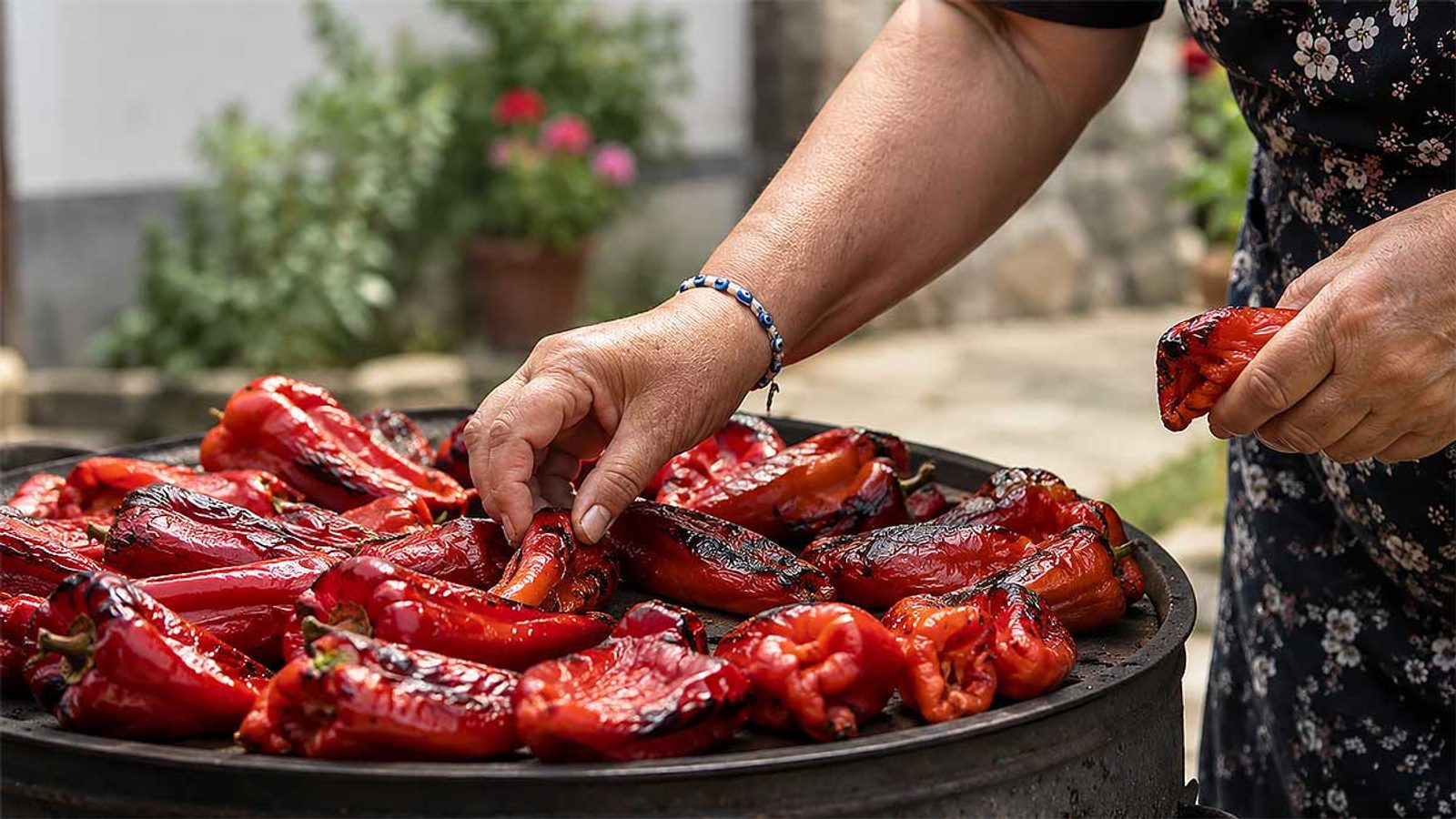
Put grapes on the table for the Transfiguration — an old custom and a simple festive breakfast
Grapes are traditionally tasted and blessed on the feast; the morning table is often simple — bread, fruit and fasting food.
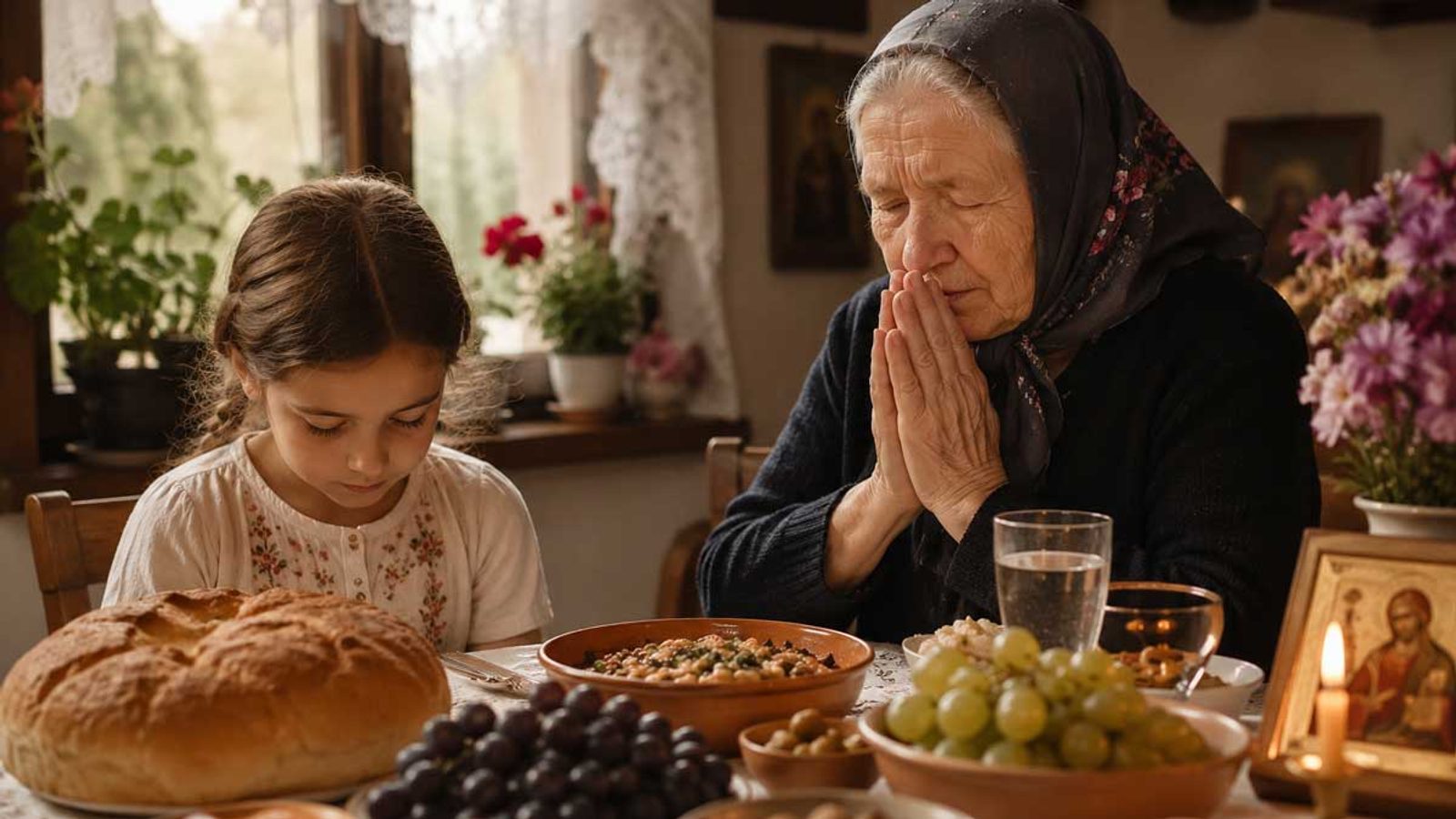
The Feast of the Transfiguration holds a special place in Orthodox calendars, and in many households the table that morning is deliberately simple: bread, fresh fruit and fasting dishes are enough to mark the day.
Among popular customs attached to the holiday, grapes occupy a unique role. For generations people have tied the timing of the first taste of the new harvest to the feast, believing the fruit reaches its true ripeness with the change of the season.
It is also common for congregations to bring grapes to church on the feast day to be blessed; after the blessing families take them home and share them with relatives and neighbours.
Why grapes matter
Beyond being seasonal fruit, grapes are loaded with symbolic meaning in folk practice: they stand for abundance, thanksgiving and a divine blessing on the year’s yield. Because ripening falls toward the end of August, the vine’s cycle was naturally linked to the theme of transformation celebrated on the feast.
Traditional festive breakfasts were often modest. Instead of an elaborate spread, households relied on what was available and what matched the rules of the fast: fresh homemade bread, grapes and other seasonal fruit, walnuts and other tree nuts, olives, simple fasting spreads and plain Lenten dishes.
Older generations kept the first ripe grapes until the Transfiguration so the family could taste the new crop together — a ritual of gratitude and renewal. Folk belief also ties the feast to the turning of the seasons, summed up in the saying, "From Transfiguration the weather is transformed." Today not every family follows all these customs, but they remain a living part of the holiday's connection between nature and daily life.
Photo: Ilustracija (AI, Glamur magazin)