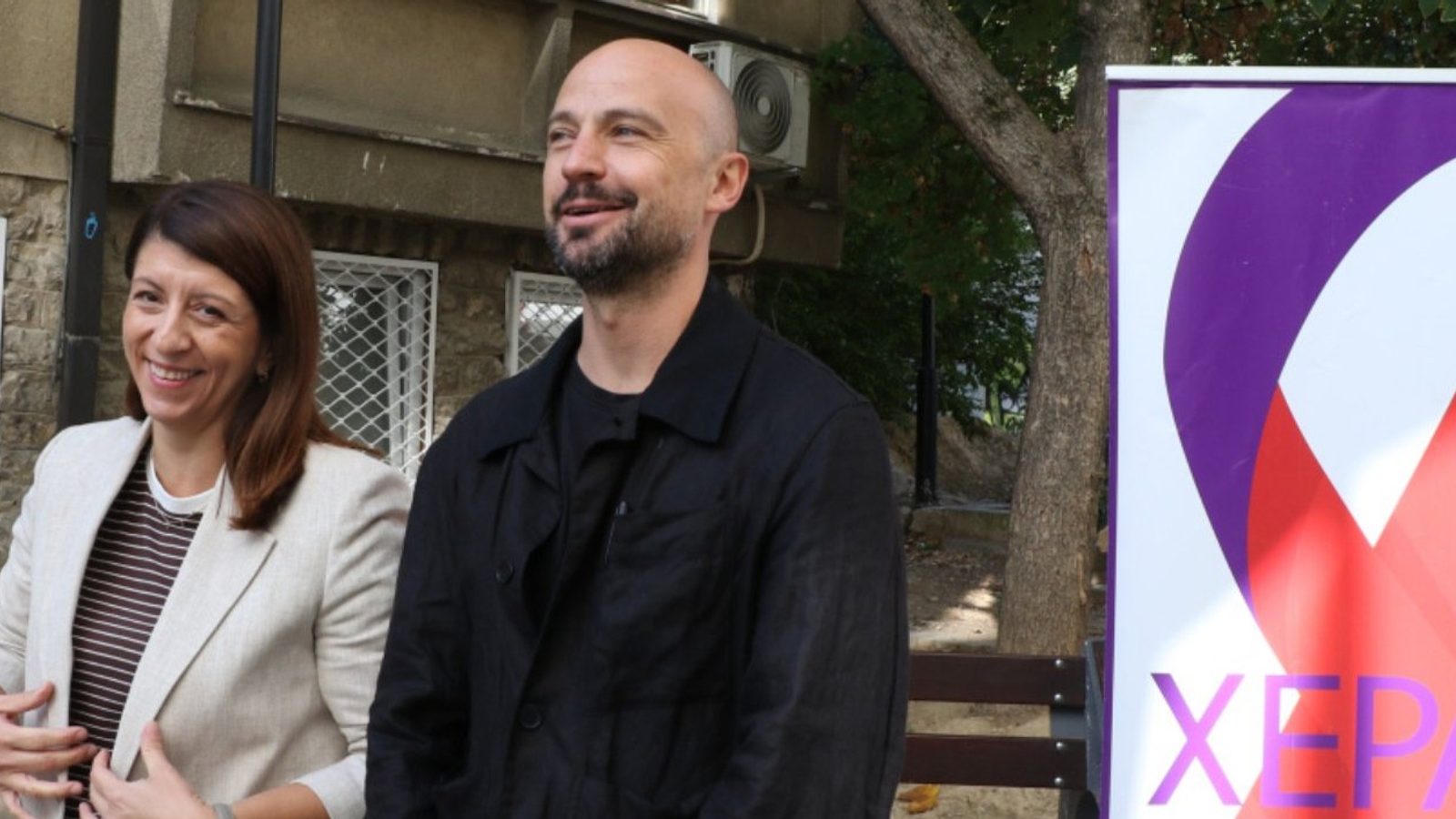
Sasho Lafchiski: Artificial intelligence reshapes warfare, but human capacity remains decisive
At a Skopje panel, the chief of the General Staff warned technology alone does not guarantee military success; institutions must adapt and lead.
Major General Sasho Lafchiski, chief of the General Staff of the Army of the Republic of North Macedonia, told a panel in Skopje that rapid technological advances — including artificial intelligence — are reshaping modern warfare, but that human leadership and adaptability remain decisive for turning technical gains into strategic success.
Key takeaways from the panel
"If you have an impressive development of technology in a period, then it is more than certain that there will be a revolution in the way of fighting. Technology drives revolutionary change, but adaptation, leadership and human potential, sustainability and resilience decide how the developments will translate into military and strategic victory," Lafchiski said.
He warned that introducing new technologies forces both sides in a conflict to adapt, drawing lessons from recent campaigns. "In Afghanistan and in Iraq, at the very beginning, in the first months and the first year of the conflict we had achievement of all military objectives, using the methodology that was considered extravagant from the previous war. The nature of the battlefield changed because of the opponent. The opponent adapted to the new technologies of the new, let's say, methodology that was used in the previous war. They learned from it," he added.
Security analyst Zoran Ivanov told the panel that experts remain split on whether current changes amount to evolution or revolution. He said the debate should help state institutions decide how to respond: "How we, the institutions of the state, and those concerned with defence and security, can position ourselves better and understand the changes, to reach an appropriate conclusion, where we need to change, what we need to introduce institutionally, which technology, because introducing technology does not mean only that we will be much better. Let's have the latest super models of artificial intelligence, it does not mean that we will be better," Ivanov said.
Mitko Panov, director of the Institute for National History, framed the changes in longer historical terms and urged more analysis of recent conflicts and technological trends. "As a historian, I always consider that this is an evolution, a longer time period over which the state and all states included must adapt to new ways of waging war. You know, technology and artificial intelligence are doing their part," Panov said.
The panel, organised by the Institute for National History together with the Konrad Adenauer Foundation, aimed to bring academia and security institutions into dialogue to better understand how past lessons and emerging technologies should shape future defence policies.
Photo: press material from the event