More than 90 percent of private pools in Skopje built without permits
Analysis finds most private pools in Skopje built without municipal permits; hundreds of pools could add substantial demand to the water network.
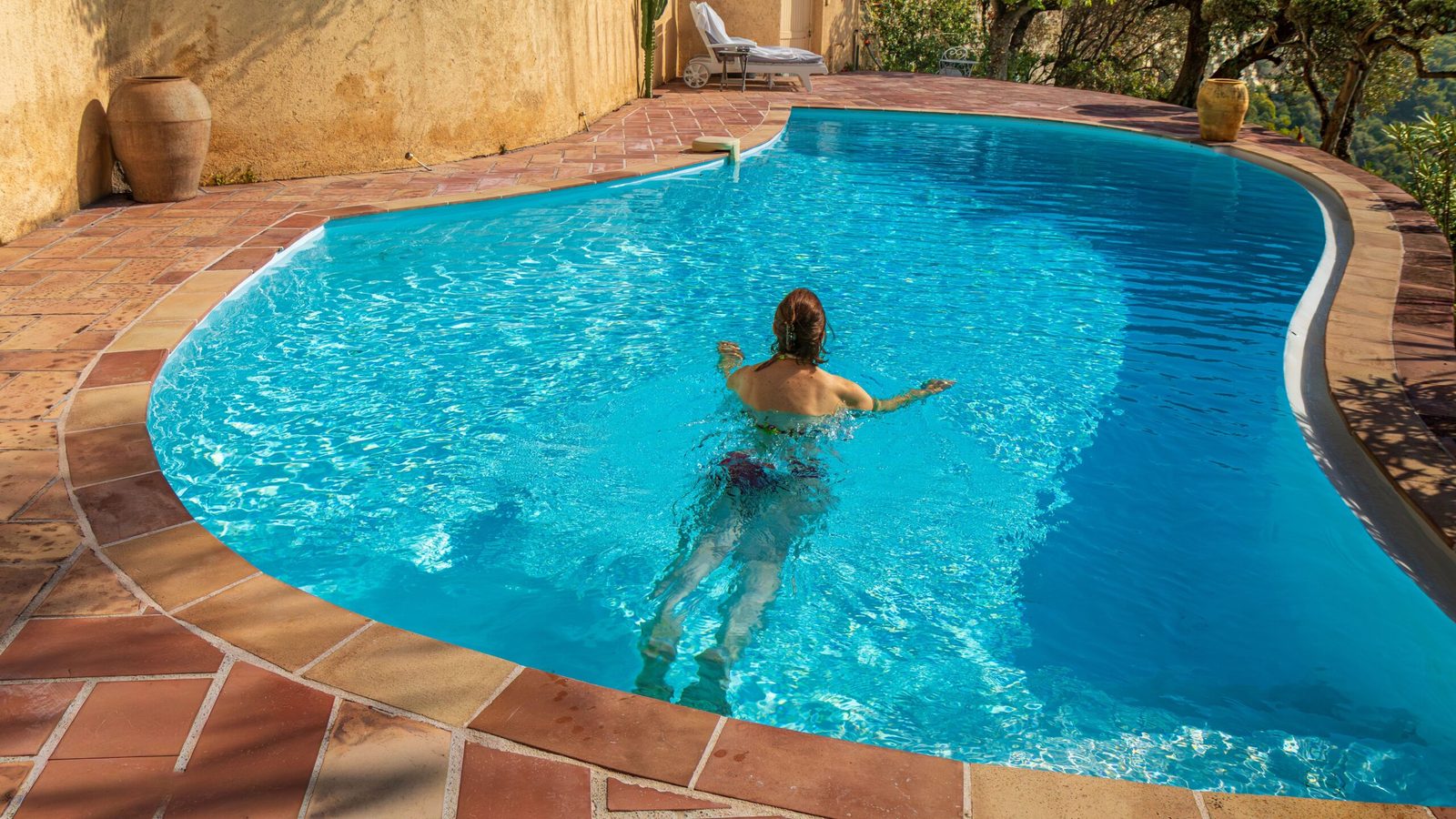
New analysis shows that more than 90 percent of private swimming pools in Skopje and its surrounding municipalities were built without the legally required municipal permits, raising concerns about drinking-water supply and infrastructure strain during prolonged heat waves and dry periods.
The construction procedure for a private pool is formally simple — an applicant must submit paperwork and obtain a decision from the municipality — yet the review of public records and satellite imagery indicates that few owners follow that process.
Illegal builds and hidden demand on water networks
There are about 400 private pools in the Skopje area, and fewer than ten percent of them have documented decisions issued by local authorities. The analysis, based on responses to public-access requests and an inspection of satellite photos, found that many pools were dug and equipped without official permits.
That means anyone with space in a yard and tens of thousands of euros can hire contractors to excavate, install filtration and pumps, and create a basin capable of holding as much water as the monthly needs of two to three households — a volume that, multiplied across hundreds of pools, can represent a significant additional load on the urban water system.
Municipal officials typically require submission of technical documentation and an administrative decision before construction. In practice, however, the formal step is rarely completed, leaving local authorities with limited oversight on location, metering, wastewater connections and the timing of fills during periods of scarce supply.
The analysis calls attention to a gap between formal regulation and on-the-ground practice and urges stronger controls and clearer rules on permitting, connection to water mains and measurement of consumption to prevent local shortages as climate-driven heat and drought episodes increase.
Photo: ilustracija / Pexels / Edoardo Colombo