Montenegro saw largest rise in urban population among ex‑Yugoslav states (1960–2025)
Montenegro’s urban share climbed to 65.61% in 2025, the largest increase among successor states since 1960.
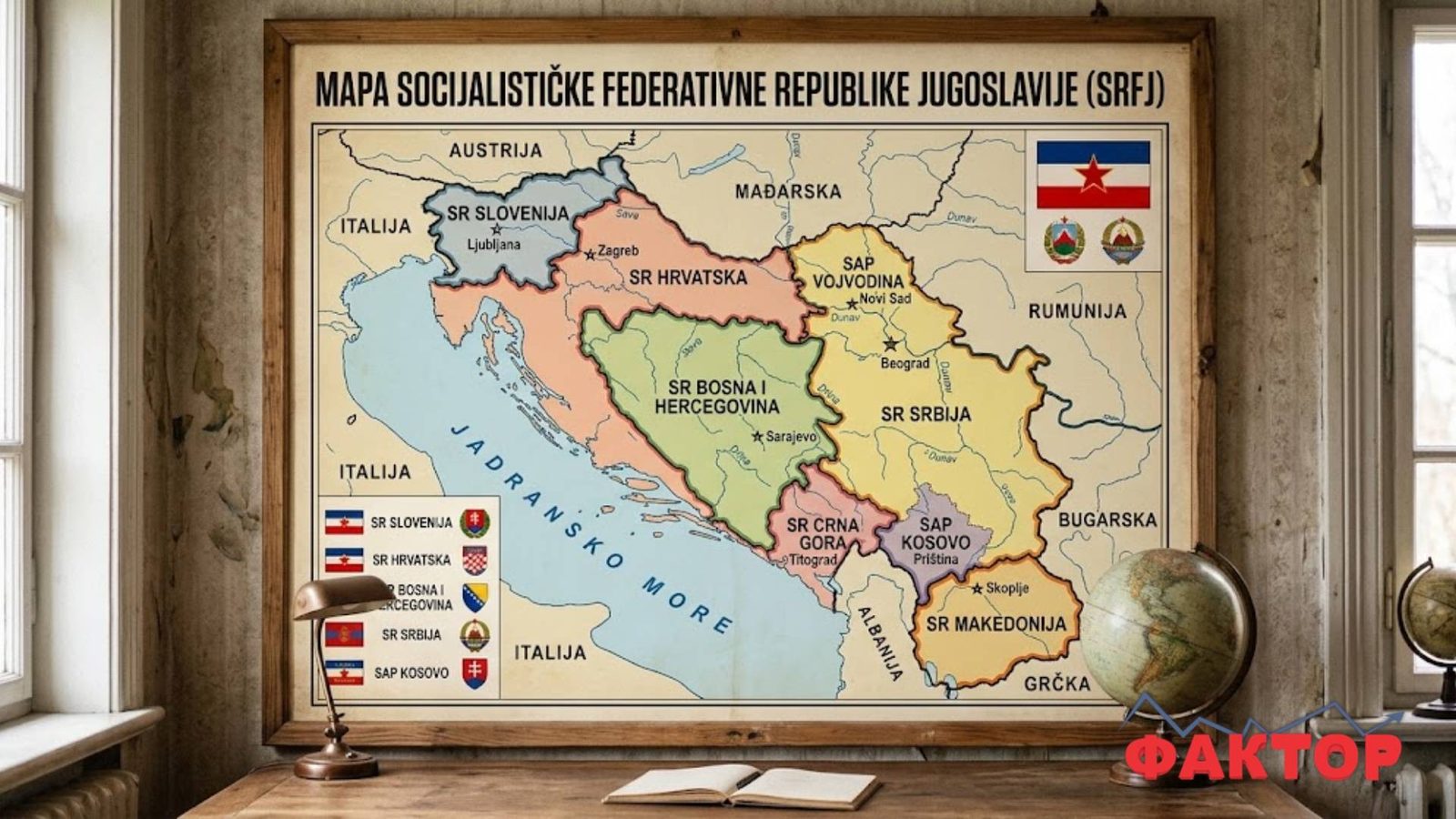
Montenegro recorded the largest rise in the share of urban population among the successor states of the former Yugoslavia between 1960 and 2025, according to compiled data for the period. The shift reflects marked rural‑to‑urban migration over decades.
Key numbers and local explanations
Montenegro’s urban share reached 65.61 percent in 2025, an increase of 41.04 percentage points compared with 1960. The growth is driven by long‑term movement from villages into towns and coastal cities.
“Two factors led to this situation. Decisive was industrialisation, and the second factor is the weak resources to sustain activities linked to village life. A portion of the rural population remained, but not all. It is characteristic for Montenegrins that at the beginning of the 20th century they went abroad for work, even to South America. The Montenegrin Community in North Macedonia is in contact with all other communities abroad. In villages in Montenegro that lie next to the highway some people are returning, infrastructure does its work, and where there is no water it is difficult. Camps for foreigners are being built in rural villages and that is a step forward,” said representatives of the Montenegrin Community in North Macedonia.
“The situation is the same as with us. Now in the northern area near Žabljak villages are developing with rural tourism. I have a friend who moved from the coast to Kolasin and in winter she is there, and she plans to stay there in summer too, she rents out a weekend house. There are villages near Nikšić that are abandoned, but there are also villages that are alive and they are where there are natural beauties, by the Tara River for example,” said Mile Miloshevski, who owns property in Montenegro.
Other countries in the region saw smaller or more uneven increases. North Macedonia’s urban share reached 62.89 percent in 2025, up 28.88 percentage points since 1960. Serbia recorded 62.64 percent in 2025, an increase of 33.58 percentage points. Slovenia’s urban share was 55.99 percent in 2025, up 27.74 percentage points since 1960.
Croatia’s urban population share was reported at 57.52 percent in 2024, a rise of 27.39 percentage points compared with 1960, with the trajectory described as uneven. Bosnia and Herzegovina registered 52.69 percent in 2025, following a steady upward trend and an increase of 33.69 percentage points versus 1960.
Photo: press material from the event