Deadliest Ebola outbreak in DRC history — at least 2,325 deaths
Confirmed cases 4,945 with 2,325 deaths; Bundibugyo strain driving fast spread and there is no approved vaccine.
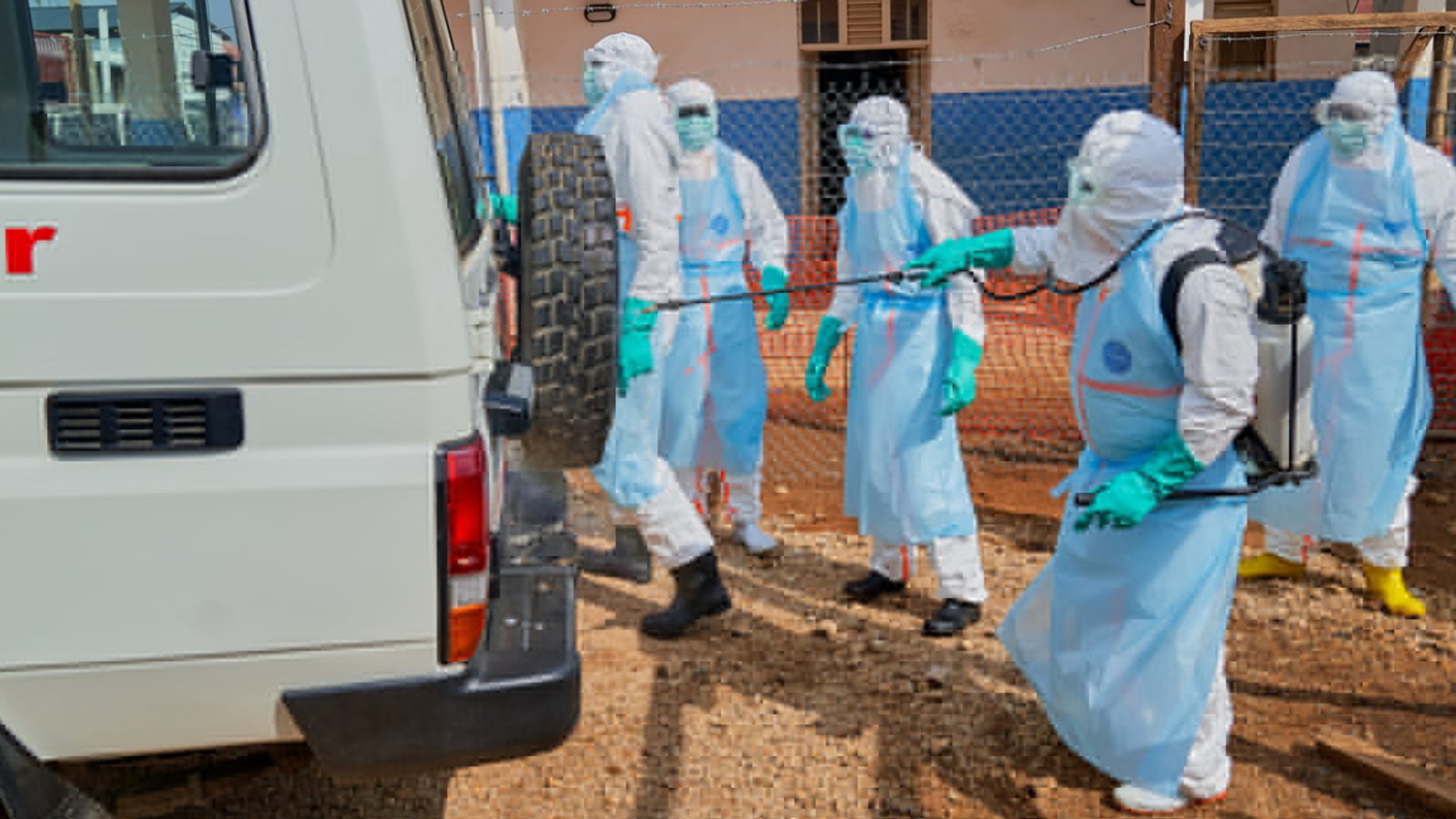
The Ebola outbreak in the Democratic Republic of the Congo (DRC) has become the deadliest in the country's history, with government figures showing at least 2,325 people have died so far.
Authorities report 4,945 confirmed cases in total, including 101 recorded in the previous 24 hours. The virus has spread to six of the DRC's 26 provinces, concentrated mainly along the country's northeastern border; more than 3,400 cases have been recorded in Ituri province, where the outbreak was first reported.
Rapid spread driven by Bundibugyo strain; no approved vaccine
Health officials say this outbreak is the fastest-spreading Ebola event on record. The current surge has been linked to the Bundibugyo virus, for which there is no approved vaccine or specific therapy.
Thomas Parish, a public-health specialist recently deployed to the DRC with Médecins Sans Frontières, said: "Normally, as an epidemic progresses, the case fatality rate among the sick should decrease as contact tracing improves and patients are identified and treated earlier. Instead, we are still finding many cases at very late stages, when treatment is less likely to be successful. Many are only registered after they have died in their communities."
The United Nations warned that "ebola is winning in the Democratic Republic of Congo" and highlighted that the outbreak is currently claiming roughly one life every 30 minutes. Uganda has reported at least 20 cases, all in the capital, Kampala. In May, the World Health Organization declared the outbreaks in the DRC and Uganda a public health emergency of international concern.
According to WHO guidance, Ebola is transmitted from wild animals to people and then between people through direct contact with blood, secretions, organs or other bodily fluids of infected persons, and via contaminated surfaces and materials such as bedding and clothing. Symptoms can begin with fever, fatigue, malaise, muscle pain, headache and sore throat, progressing to vomiting, diarrhoea, abdominal pain, rash and signs of impaired kidney and liver function.
There have also been protests in the DRC, where health workers fighting Ebola say they have not received salaries for months.
Photo: EPA