Attack on Iranian cargo ship in the Caspian Sea raises tensions between Kyiv, Moscow and Tehran
Tehran warned the strike "cannot remain unanswered" while Kyiv says it targeted shipments to Russia and seeks to avoid wider escalation.
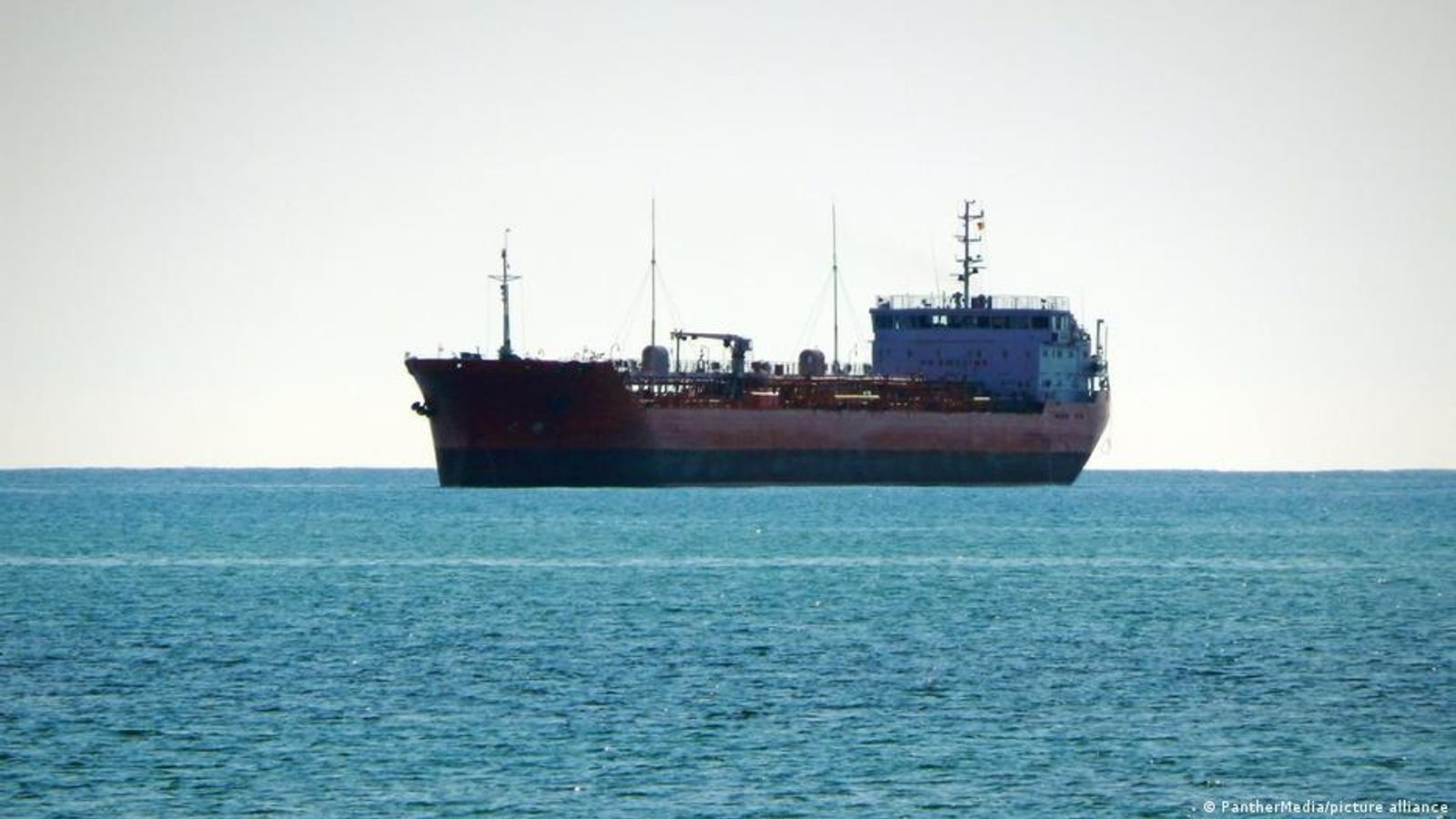
An attack on an Iranian cargo vessel in the Caspian Sea has sharpened tensions between Kyiv, Moscow and Tehran after Ukraine said the ship was carrying military equipment bound for Russia and Iran warned it would respond.
Analysts downplay risk of direct Iranian strike on Ukraine
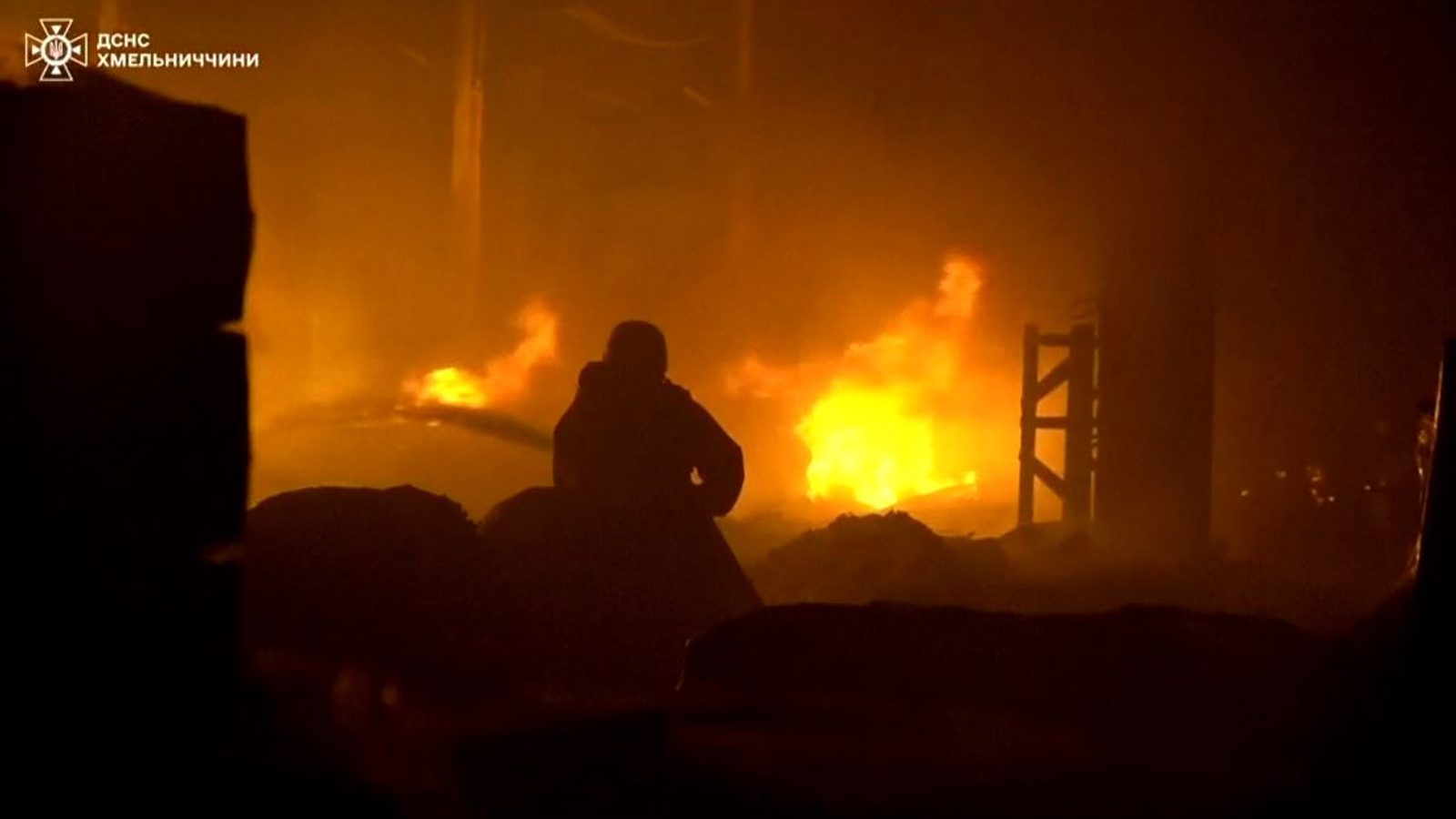
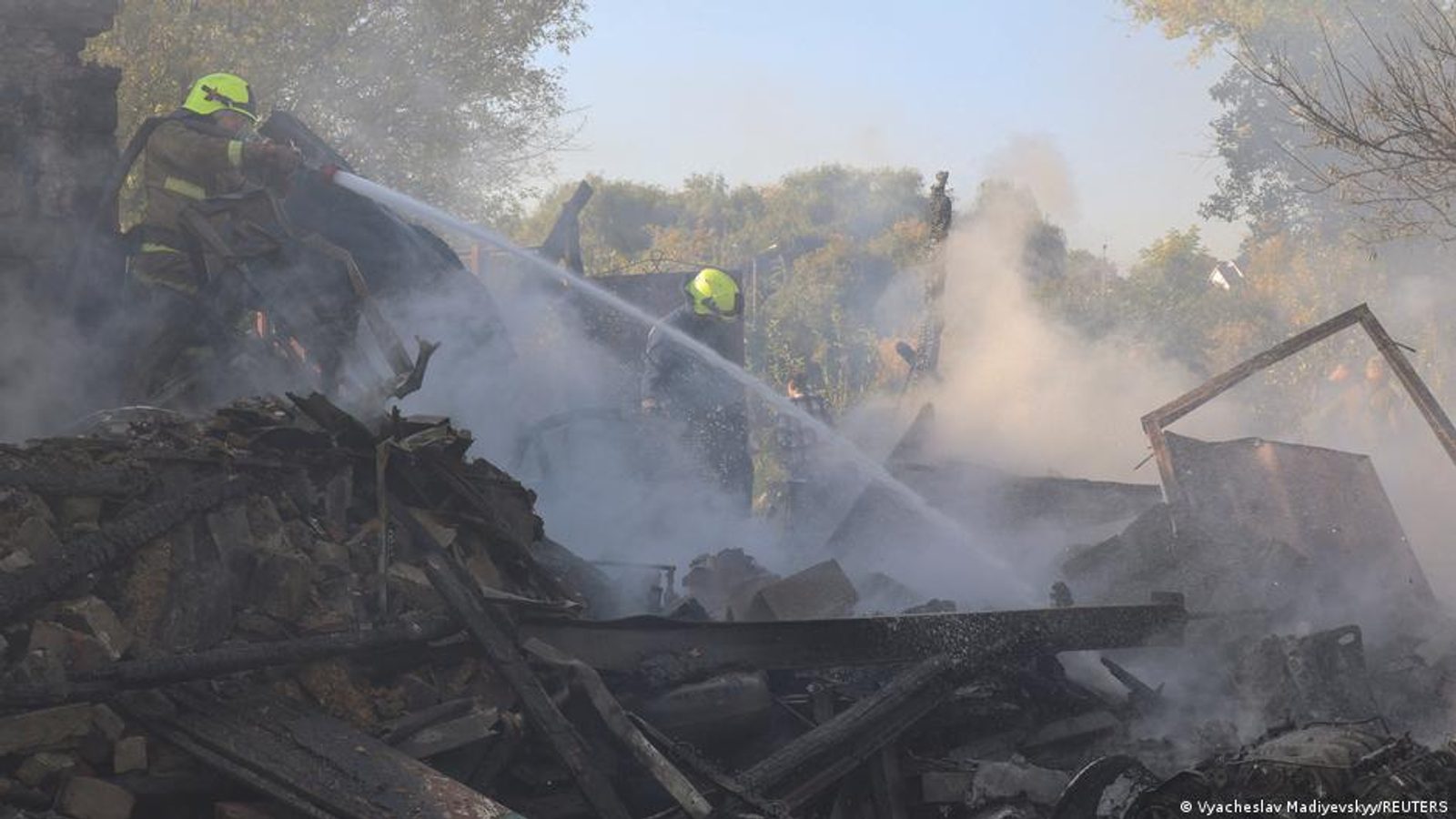
Ukraine said the freighter, named Ana, was struck by drones while anchored about 5 kilometres from the mouth of the Volga and that one seaman was killed in the explosion. Tehran summoned Ukraine’s acting ambassador and described the incident as an act of aggression.
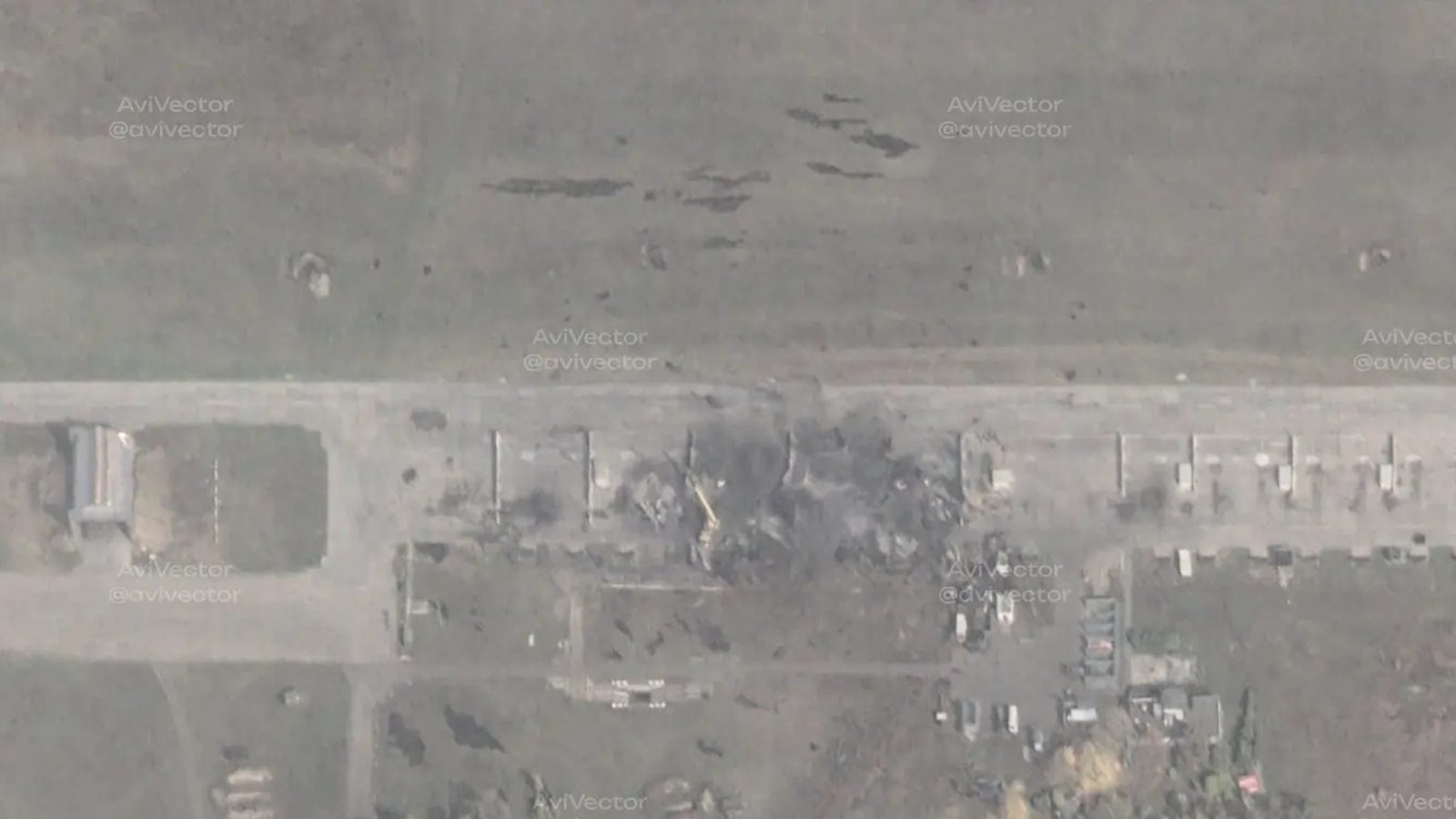
Kyiv framed the operation as part of efforts to disrupt supply lines supporting Russia’s war. Ukrainian President Volodymyr Zelenskyy said Ukrainian forces had successfully carried out long-range attacks on a Russian warship and other vessels that Kyiv says were transporting military cargo.
Iran has acknowledged previously selling drones to Moscow but denies supplying weapons specifically for use in the war in Ukraine. Ukrainian authorities, however, say they hold extensive physical evidence showing Iranian-designed Shahed drones have been used in the conflict. Ukraine’s air forces reported that in March 2026 Russia launched nearly 950 drones of types including Shahed and Gerber in a 24-hour period.
Iranian Foreign Minister Abbas Araghchi warned the strike "cannot remain unanswered." At the same time, Ukrainian Foreign Minister Andrii Sybiha publicly dismissed Iran’s accusations as baseless but later said Ukraine wished to avoid unnecessary escalation in talks with Araghchi.
Experts interviewed by local and international outlets say Tehran is unlikely to open a direct military front against Ukraine. Ahmad Vahshiteh, director of a Moscow research centre on Middle East relations, said, "I believe the Islamic Republic will avoid an emotional reaction and will choose a diplomatic response rather than a military one." Igor Semivolos, a Ukrainian Middle East analyst, argued that strikes on Caspian shipping tied to Russia are one thing, while an Iranian missile attack on Ukrainian soil would amount to a direct act of war and greatly complicate Tehran’s position.
Austria-based military analyst Markus Reissner noted Tehran has medium‑range missiles but said an attack on Ukraine would make little strategic sense when Iran faces pressing security concerns closer to home. He also suggested Kyiv’s timing may send a political message: "Zelenskyy wants to make clear that Kyiv and Washington have a common adversary in Iran," Reissner said, pointing to recent warming ties between Ukraine and the United States and a meeting this week in Washington between Zelenskyy and U.S. President Donald Trump.
Analysts expect Kyiv to continue operations aimed at disrupting maritime logistics in the Caspian while stressing the risk that further strikes against Iranian-linked vessels would force Tehran into a difficult strategic choice. Some Iranian responses short of a direct attack on Ukraine — including measures against shipping tied to Ukrainian interests — remain possible but would carry a risk of escalation.
Photo: press material from the event