Drone strikes off Bulgaria’s coast raise doubts over its role as Middle Corridor gateway
Attacks near the Bulgarian coast on October 6 raise security, capacity and political questions for EU plans to shift more Asia–Europe trade through the Middle Corridor.
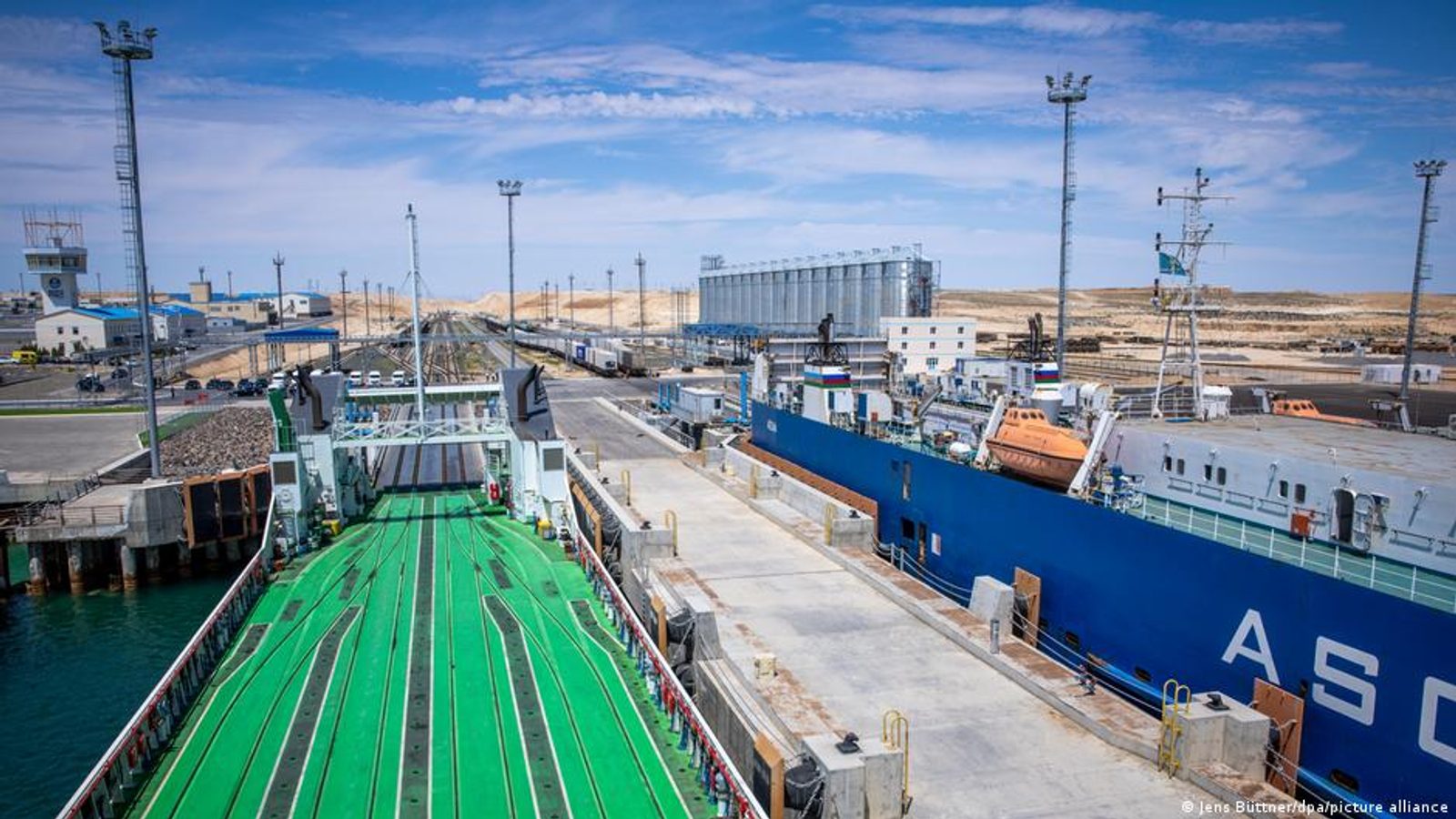
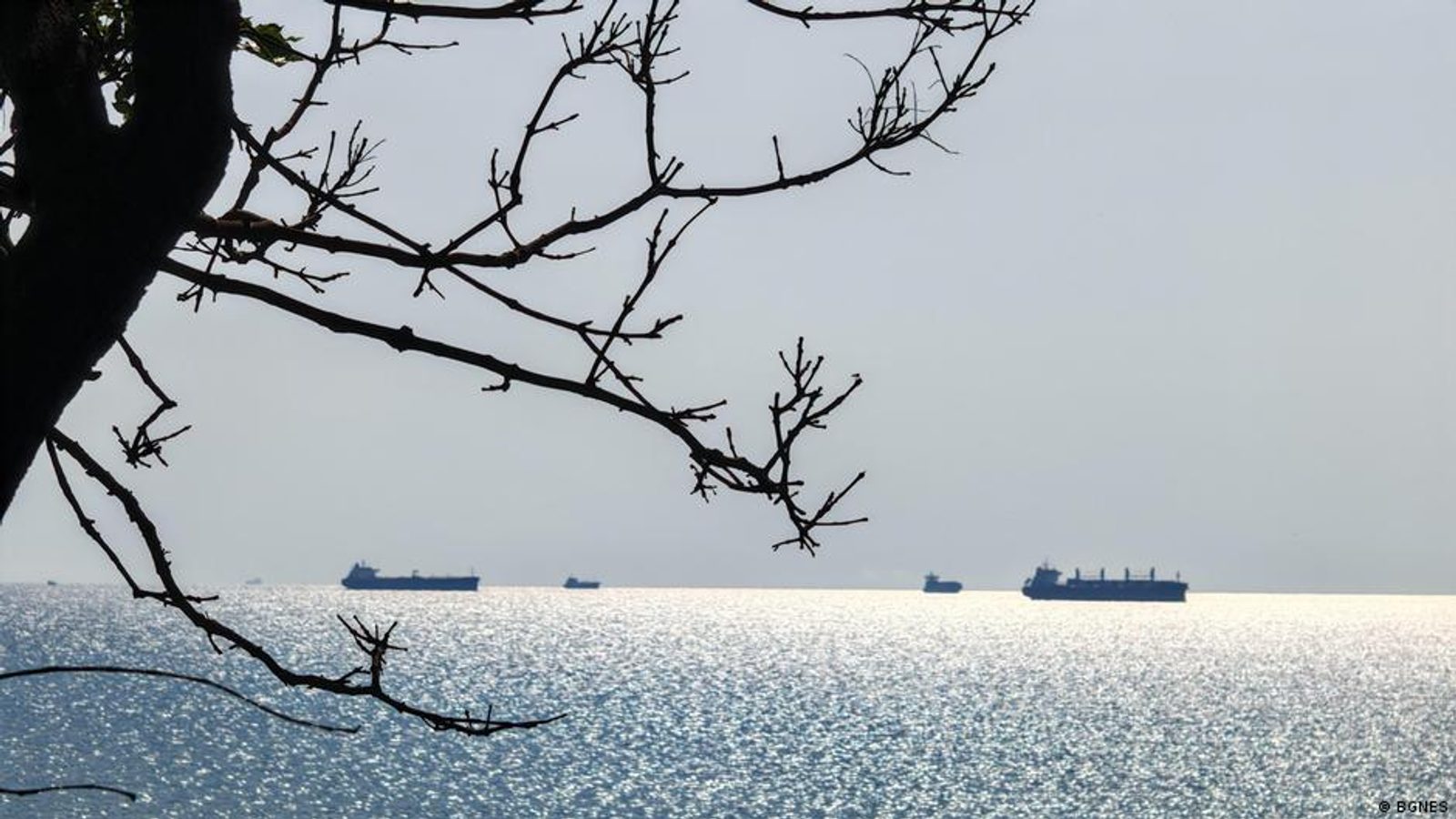
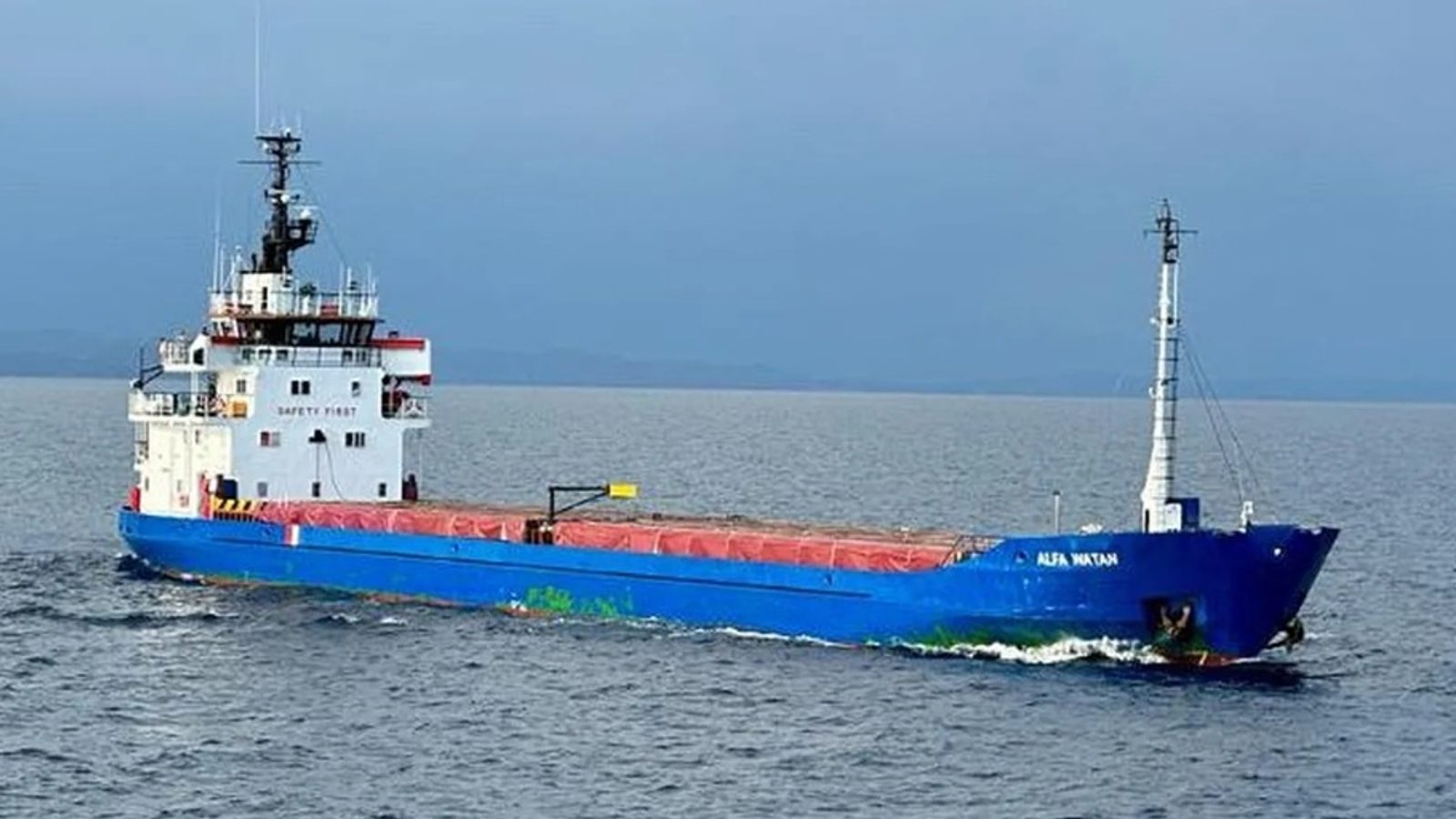
On the morning of October 6, 2026, two commercial ships were struck by drones off Bulgaria’s Black Sea coast; one of the vessels sank, provoking alarm in Sofia and across the European Union. The attacks come at a sensitive moment for EU plans to expand freight flows along the so‑called Middle Corridor — a transport route linking China with Europe via Kazakhstan, Azerbaijan, Georgia and Turkey, with short sea links across the Caspian and Black Seas.
Why Bulgaria matters
Brussels has signalled this year that it wants to rely much more on the Middle Corridor as an alternative to longer or riskier routes. Bulgaria sits on several potential chokepoints for that traffic: the land border crossing Kapitan Andreevo into Turkey is already one of Europe’s busiest, and the country hosts the Black Sea ports of Varna and Burgas. A new railway section between Istanbul and the Bulgarian border is scheduled to open this autumn (autumn 2026), which could increase rail volumes into the EU.
In September, the EU commissioner for enlargement, Marta Kos, described Bulgaria as "a European gateway for connectivity," underlining Sofia’s strategic position on the corridor. The bloc has also announced plans to mobilise about €12 billion (USD 13.5 billion) in public and private investment to improve links and cut transit times.
But the drone strikes have highlighted that security risks persist. Vesela Cherneva, deputy director of the European Council on Foreign Relations in Sofia, warns that the corridor will only be viable if regional security improves. "The Middle Corridor is a project that essentially avoids the two war zones near Europe," she said.
Cherneva also points to institutional weaknesses, bureaucratic hurdles and lingering Russian influence along stretches of the route. She added that "the outcome of Russia's war in Ukraine will influence the success or failure of the Middle Corridor." Other practical hurdles include limited port and rail capacity, and environmental challenges: falling water levels in the Caspian Sea — driven by climate change — could restrict shipping on parts of the route.
Despite these constraints, EU officials and business groups say even a partial diversion of goods through the Middle Corridor could shorten transit times dramatically compared with ocean voyages that detour around Africa. Support from Brussels could bring investment and upgrades that benefit Bulgarian railways, roads and ports — but the recent attacks show that improving hard infrastructure must be matched by measures to secure maritime and overland links.
Photo: press material from the event