Narges Mohammadi describes alleged abuse in Iranian prisons in new memoirs
The Nobel laureate details beatings, solitary confinement and a March health crisis during detention that lasted from December to May.
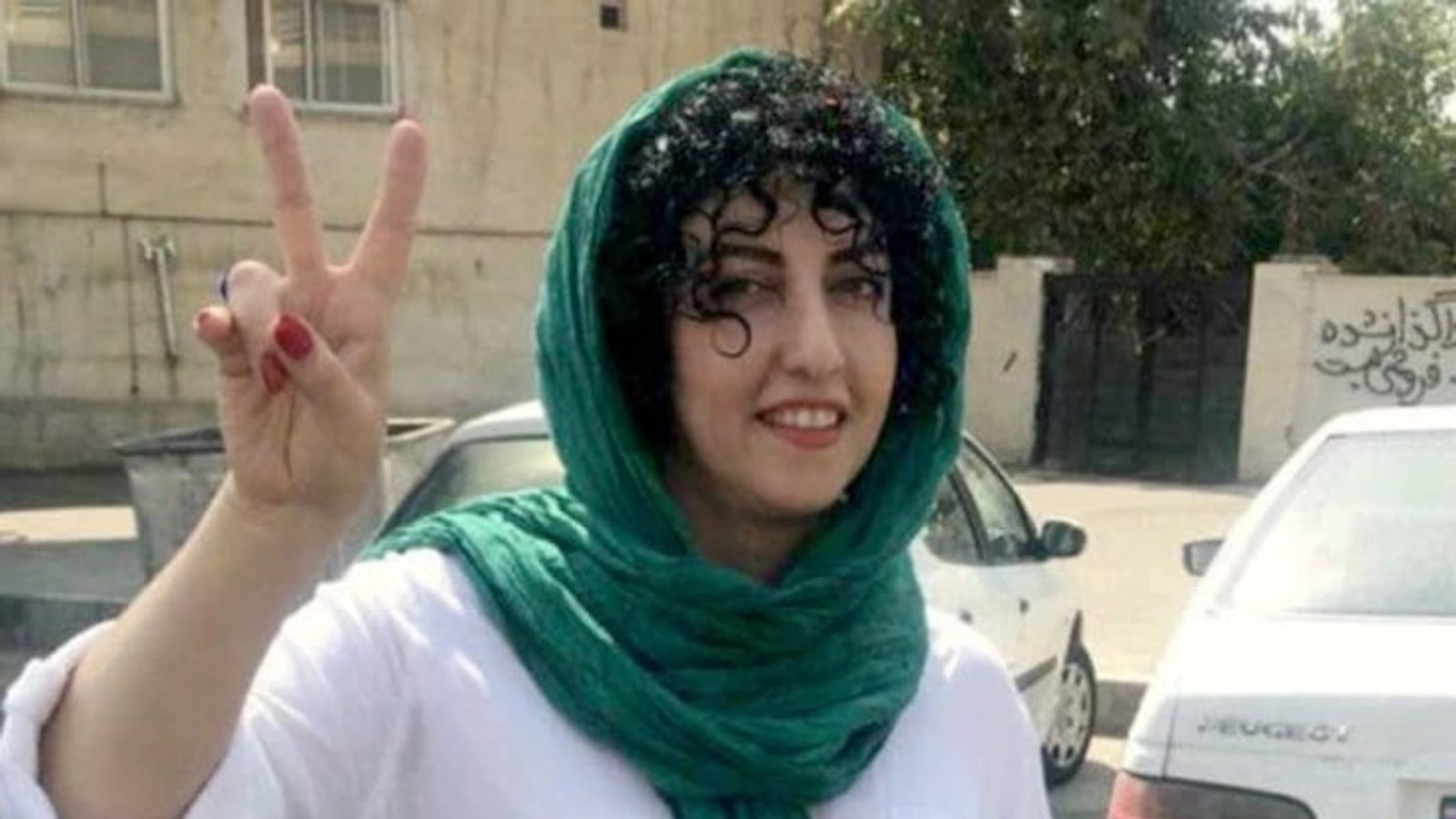
Nobel Peace Prize laureate Narges Mohammadi has published memoirs in which she recounts, in detail, the physical abuse and harsh treatment she says she endured during multiple spells in Iranian prisons.
Mohammadi told CNN that parts of the book, titled "The Woman Never Stops Fighting," were written while she was behind bars and that fellow inmates and friends helped her smuggle pages out of detention.
Physical injuries, solitary confinement and curtailed medical care
She says that during her most recent imprisonment, which lasted from December to May, security forces inflicted physical injuries on her, including beatings with wooden batons and sticks, and that she spent two months in solitary confinement without contact with her family or lawyers.
The Norwegian Nobel Committee said it had received "credible reports" about harsh treatment during that detention. Mohammadi's foundation reported that she suffered a health crisis in March, lost about 20 kilograms, and later spent 18 days in hospital. She was temporarily released in May on health grounds and, she says, is still undergoing treatment.
Iranian authorities and state-aligned media have downplayed the allegations of abuse, while international organizations and individuals have expressed concern about her condition. Mohammadi remains one of the country's best-known human rights activists and has been sentenced, over the years, to a total of more than 44 years in prison and 154 lashes.
Reflecting on the costs of her activism, Mohammadi said: "If I could go back to the moment I started my struggle, even if I had known what would happen to me, I would definitely make the same decision." She also voiced doubts about the impact on her children, twins Ali and Kiana, who live in France: "Did I really have the right to take away from them a very ordinary life, to have their mother with them? That is a hard question and I cannot answer with certainty."
Photo: press material from the event