Nauru tops global obesity rankings; US 11th, North Macedonia 50th
A new global ranking and a large consortium study find Pacific island nations at the top; the United States is 11th and North Macedonia 50th, while low- and middle-income regions continue to see accelerating rises.
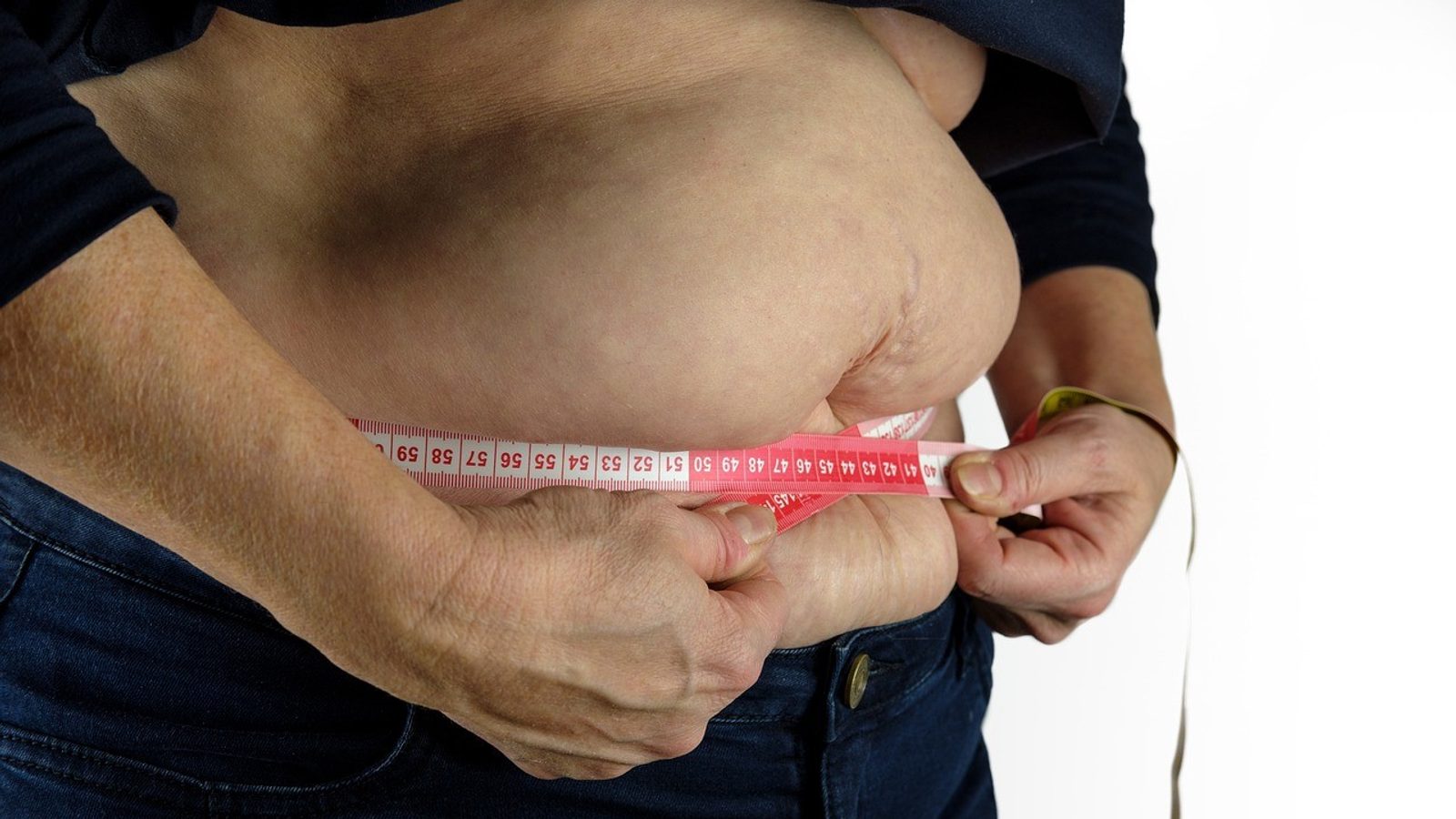
Small Pacific island states top the global list for adult obesity, with the tiny nation of Nauru leading the rankings while the United States sits at 11th place and North Macedonia ranks 50th.
Global patterns and a major new study
The World Obesity Federation’s updated table on the Global Obesity Observatory, using estimates from the NCD Risk Factor Collaboration (NCD-RisC), places Nauru at the highest prevalence of obesity among adults. The United States is listed 11th with 40.4 percent of adults living with obesity, and North Macedonia appears at 50th with 28.5 percent — a figure the article notes should be treated cautiously because of local data limitations.
The finding is grounded in a large consortium analysis published in the journal Nature on May 13, 2026, titled "Obesity rise plateaus in developed nations and accelerates in developing nations." The study team—almost 2,000 scientists worldwide—reviewed 4,050 population studies with measured height and weight on 232 million participants and tracked trends in 200 countries and territories from 1980 to 2024.
The researchers calculated both prevalence and an annual absolute change metric (percentage points per year) to measure the speed of change. Between 1980 and 2024 obesity rose with high statistical certainty among girls in 195 of 200 countries and among boys in 198 of 200 countries. Exceptions were parts of Central Asia, and for boys additionally France. The magnitude of increases varied widely: for girls from 0.6 to 27 percentage points, and for boys from 0.4 to 35 percentage points, depending on the country.
High-income settings such as Western Europe, North America, Australia, Japan and Taiwan experienced most of their rise in child and adolescent obesity before the end of the last millennium; growth slowed or plateaued thereafter, and in some places may even have declined slightly. By 2024 the annual speed of change in many wealthy countries was under 0.25 percentage points, with countries like Italy, Portugal and France showing small negative estimates that are not necessarily statistically different from zero. Among adults, stagnation came later—around 2000—and was first observed among women, with France, Italy and Spain showing modest declines.
By contrast, low- and middle-income countries are still seeing continued, and in many cases accelerating, rises in obesity. Regions such as Latin America, Africa, Asia and Pacific island states are moving toward levels that already exceed many high-income countries. The study and accompanying commentary point to long-term changes in how food is produced, processed and sold, shifts in household purchasing power, cultural norms and industry practices, as well as fiscal and regulatory policies that affect the price and availability of healthy foods.
The health consequences are broad: obesity raises risks for cardiovascular, kidney, liver and respiratory diseases, musculoskeletal and neuropsychiatric disorders, type 2 diabetes, some cancers, pregnancy complications, and can worsen outcomes from infectious diseases including COVID-19. The World Health Organization’s December 2025 update reported that in 2022 one in eight adults lived with obesity—890 million people—and 2.5 billion adults (43 percent) were overweight. For children and adolescents aged 5–19, more than 390 million were overweight in 2022, of whom 160 million were obese.
Projections in the World Obesity Federation’s 2023 atlas estimate that, if current trends continue, by 2035 up to 51 percent of the world population—more than four billion people—could be overweight or living with obesity. The report underlines that without substantial policy changes on diet, physical activity and access to healthy food, obesity is on track to become the global norm rather than the exception.
Photo: press material from the event