North Macedonia's only state PET scanner out of service; cancer patients paying €1,300
A production fault with radioisotopes and missed preventive maintenance have left the state PET scanner idle; patients are paying about €1,300 in private clinics.
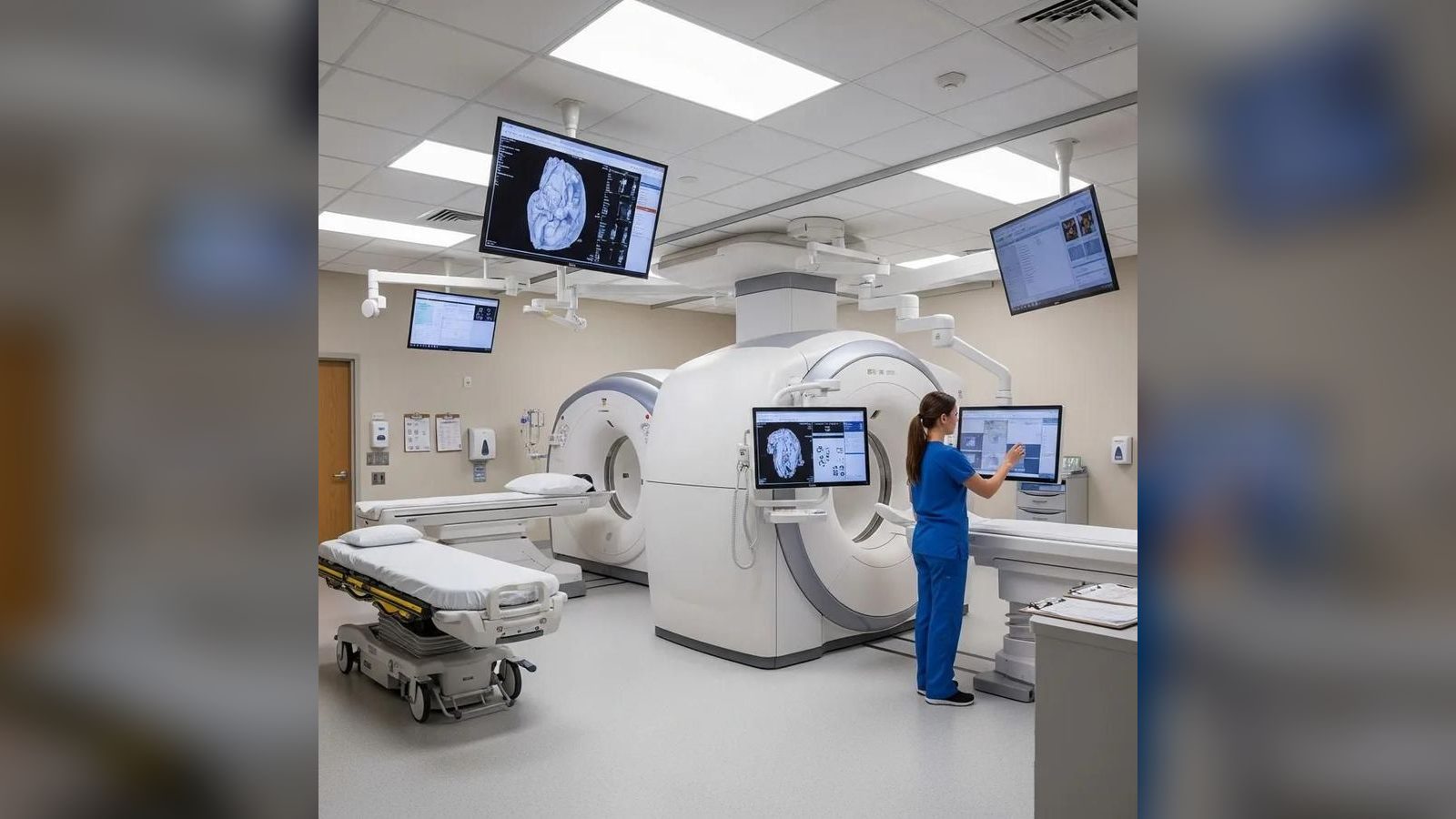
North Macedonia's only state-run PET scanner is currently out of service, forcing many cancer patients to seek the exam at private clinics where the procedure costs about €1,300. There is no clear timetable for when the public machine will return to operation.
"We inform that the problem concerns the production of radioisotopes. The authorized service provider is working intensively on this problem and all steps have been taken to put the cyclotron back into operation as soon as possible. We also clarify that in recent years the protocol for preventive maintenance of the diffusion pump, its cleaning and oil change every 5 years has not been followed," said Professor Nevena Manevska, director of the University Institute for Positron Emission Tomography (UI PET).
Why the scan matters and how hospitals are coping
Physicians use PET scans to stage cancer, plan radiotherapy or chemotherapy, monitor the effectiveness of treatment and locate targets for biopsy. With the state scanner unavailable, patients must cover high private costs or wait for alternative diagnostic routes.
The institute says it reduced waiting lists in recent years by increasing the number of PET/CT exams performed annually and by introducing new services. Clinic of Oncology and Radiotherapy and the Clinic of Hematology have been notified to continue triaging patients using other diagnostic modalities while the PET service is suspended. Production of radioisotopes will resume once all defects are fixed and all operational protocols are met.
Complaints from patients began about a month ago. "I'll share info about the PET scan. On Thursday, when I was at oncology I asked my oncologist whether the PET centre had resumed work, and I was told the device had worked only 3–4 days the week before last, and that the scanner bed had broken, so it would not work at least until September and possibly longer," a patient wrote a month ago in one of the online cancer support groups.
For now, the breakdown highlights both a technical failure in radioisotope production and shortcomings in preventive maintenance of critical equipment, leaving patients facing extra expense and uncertainty over access to a diagnostic test considered essential in modern oncology care.
Photo: Goleisureintl / Wikimedia Commons (CC BY-SA 4.0)