How wildfire smoke affects the whole body
Studies point to PM2.5 in wildfire smoke as a major driver of inflammatory damage, increased stroke risk and thousands of deaths over recent decades.
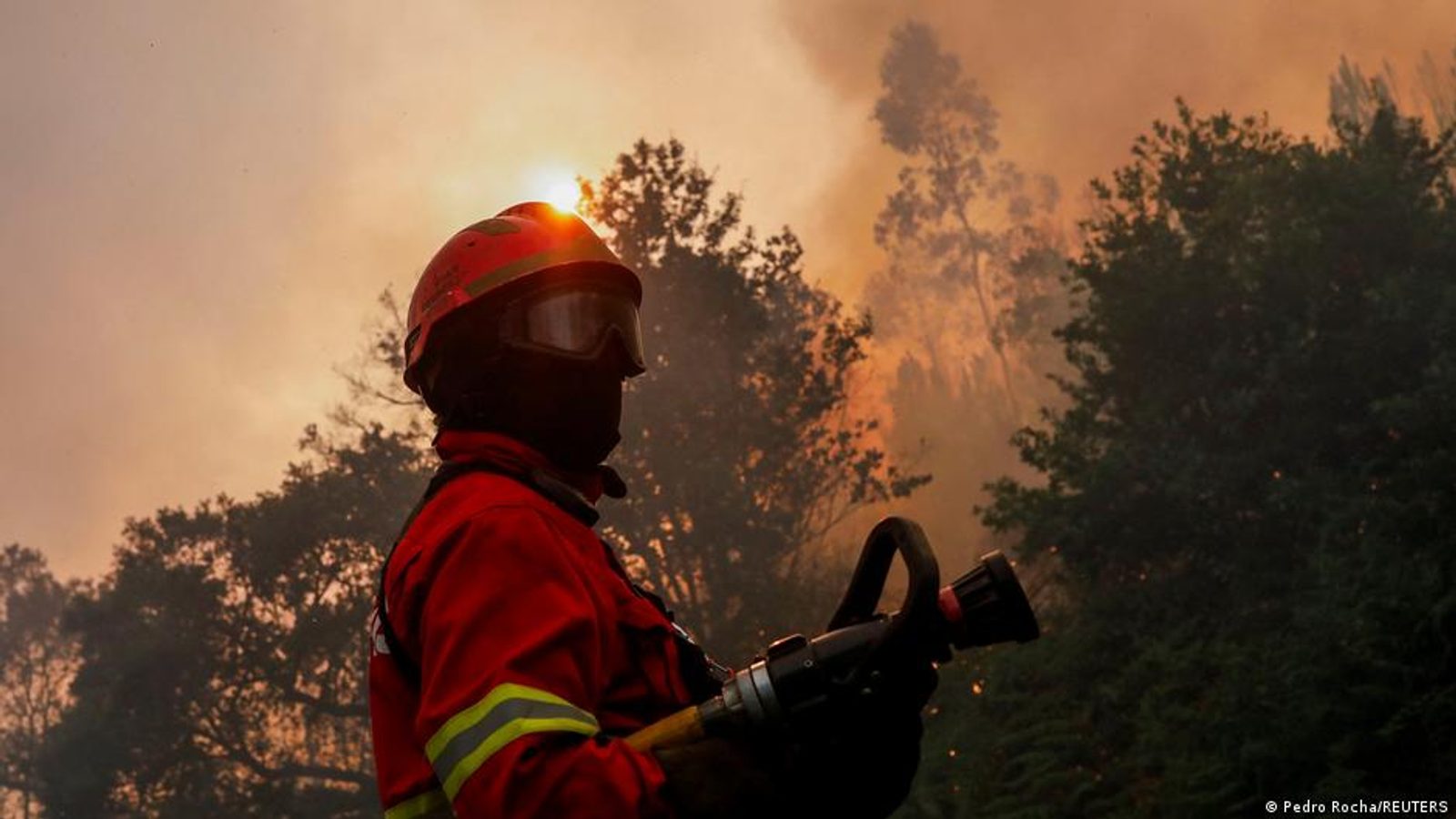
Wildfire smoke is not only an immediate threat at the fire line — growing evidence shows it can damage nearly every organ in the body and raise the risk of long-term illness and death.
Researchers say one of the main culprits is fine particulate matter known as PM2.5: a mix of soot, dust and microscopic fragments that bind toxic metals and organic chemicals. When inhaled, PM2.5 can penetrate the lungs and enter the bloodstream, triggering inflammation and cellular injury across multiple organs.
A study published in January 2026 found that repeated exposure, even at moderate levels, increased the risk of stroke in older adults. A month later another study estimated that long-term exposure to wildfire smoke contributed to an average of 24,100 deaths per year in the United States between 2006 and 2020.
Teams studying the chemical make-up of wildfire smoke have detected heavy metals such as mercury and cadmium, carcinogenic compounds and so-called "forever chemicals" (PFAS). Mary Johnson, a lead researcher in the Department of Environmental Health at the Harvard T. H. Chan School of Public Health, cautions that "It really depends on the location of the fire. It can vary even from street to street, because smoke can contain different components." Her group studied healthy firefighters and civilians soon after exposure to learn how those toxins disrupt immune-cell function and raise susceptibility to infections and chronic disease.
Smoke can also become more harmful as it ages. Research teams in Greece reported that smoke toxicity can increase — in some tests up to four times — in the days after a blaze as chemical reactions transform the particles. "If there is no rain to wash these particles out, they can remain in the atmosphere for ten days, sometimes longer. In that time they can circle a whole hemisphere and return to their starting point," said Nikolaos Mihalopulos, director of the Institute for Environmental Research and Sustainable Development at the National Observatory of Athens.
Large events underline how far and how widely PM2.5 can travel. During the 2023 Canadian fires, about 6,000 fires burned some 15 million hectares and produced long-range PM2.5 pollution that crossed North America and reached Europe and Asia. A study published in September 2025 estimated roughly 5,400 acute deaths in North America and about 64,300 chronic deaths in North America and Europe that could be linked to PM2.5 from those fires. At the same time, experts stress that everyday pollution sources — traffic exhaust, industrial emissions and household fuel burning — still account for many more health burdens overall. "When we look at what is really driving mortality in the population as a whole, it is still all these other sources of air pollution that are responsible for so many deaths," said Katherine Ton, an environmental epidemiologist at the Barcelona Institute for Global Health.
How to reduce your exposure
Public-health specialists recommend minimizing exposure when wildfire smoke is present and preparing ahead of fire season. Practical steps include:
- Staying indoors during and immediately after fires;
- Using filters in heating and air-conditioning systems;
- Having N95-class respirators available for times of heavy smoke;
- Ensuring vulnerable people (children, older adults and those with chronic conditions) have easy access to necessary medications and inhalers;
- Preparing properties before fire season by clearing flammable material and organising neighbourhood watch groups to catch small fires early.
Scientists say more research is needed to develop targeted treatments and protections for high-risk groups, but for now reducing inhalation of PM2.5 and limiting contact with contaminated dust are the most effective steps individuals and communities can take.
Photo: press material from the event