Nepal seeks non-repayable aid to rebuild after deadly floods
Balendra Shah told the UN General Assembly last night that rebuilding will cost about ten percent of Nepal’s GDP after floods that killed at least 1,450 people.
Prime Minister Balendra Shah told the United Nations General Assembly last night that Nepal needs non-repayable international assistance to rebuild after the floods caused by a glacial lake outburst that killed at least 1,450 people.
Speaking in New York, Shah said recovery in the mountain areas hit by the floods four weeks ago will require funding equal to about ten percent of Nepal’s gross domestic product. He warned that countries exposed to climate disasters should not be forced to take on more debt to repair the damage.
Scale of the disaster and immediate needs
The premier argued that poor countries struck by climate calamities must receive sufficient international aid in the form of grants, rather than being compelled to take new large loans or to rely on inadequate small grants. He proposed stronger cooperation with India and China on climate risk management, including exchange of satellite data, monitoring of glacial lakes, early-warning systems and joint disaster response.
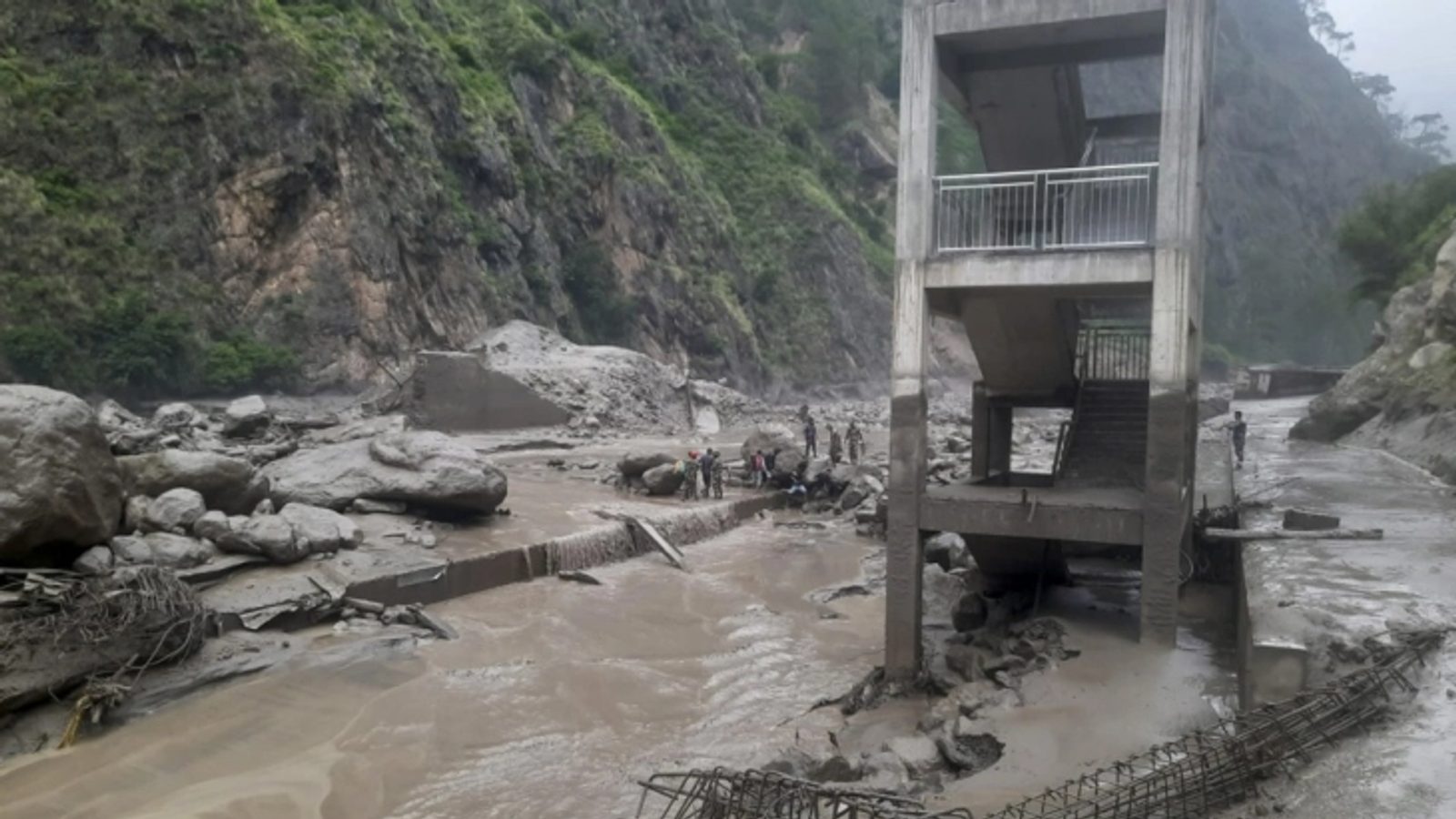
The floods struck toward the end of August after part of a glacier broke off near the border between Nepal and China’s Tibet Autonomous Region, triggering landslides and surging waters that ripped through whole mountain valleys. The disaster destroyed or washed away roads, bridges, schools and homes and deprived many people of their livelihoods, further slowing Nepal’s development.
Rescue and recovery operations have been under way for weeks, and more than 6,000 people are still listed as missing; the prime minister warned that many of them may never be found. Earlier this week the World Bank approved up to $170 million in emergency assistance to Nepal to help with immediate relief and the start of reconstruction.
Photo: press material from the event