Netanyahu wins plurality but lacks majority; Arab parties could be kingmakers
Netanyahu's bloc fell short of a majority; Ra'am and the United List together have 19 seats that could tip coalition talks.
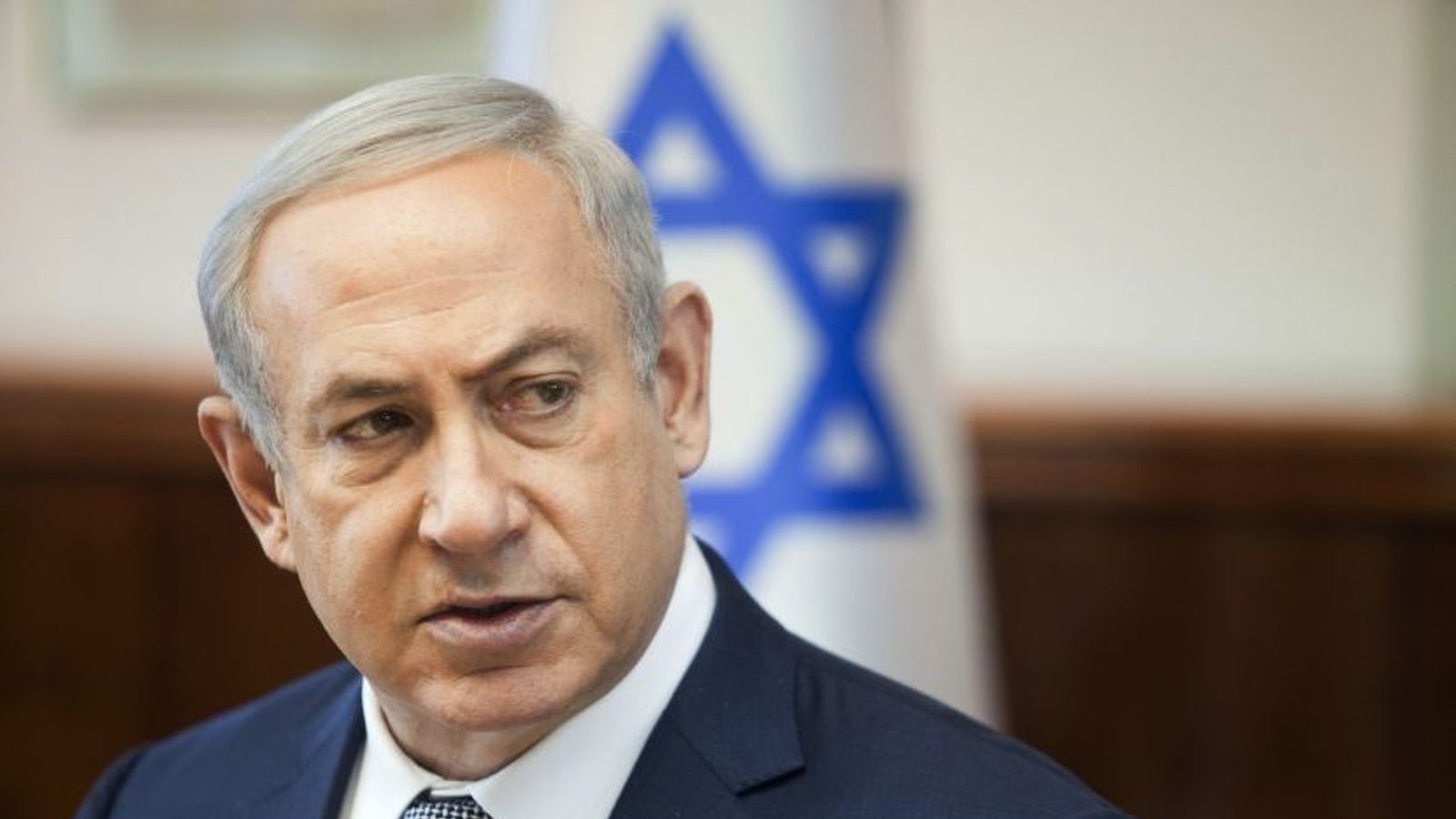
Prime Minister Benjamin Netanyahu's coalition won 53 of the 120 seats in the Knesset in the election whose final results were published overnight, a total that falls short of a parliamentary majority. Netanyahu's Likud party emerged as the single largest party with 27 seats, while the opposition bloc led by centrist Gadi Eizenkot secured 48 seats. The two Arab lists—Ra'am and the United List—together captured 19 seats, positioning them as a potentially decisive force in coalition talks.
The shortfall of a clear majority complicates negotiations to form a new government and raises the prospect of protracted bargaining that could last weeks. If parties fail to build a viable coalition, the country could face the possibility of new elections.
Netanyahu's bloc has accused the Arab parties of electoral fraud and alleged that they received funds from Qatar to buy votes. The Arab parties and Qatar have denied these claims, and Gadi Eizenkot has accused the prime minister of attempting to delegitimize the results.
Security service probe and electoral authority response
The Israeli internal security service Shin Bet said it is investigating alleged irregularities, stressing that the probe is not intended to incriminate an entire community that voted legally and democratically. The Central Elections Committee, meanwhile, judged that some information circulating in public was entirely unfounded.
According to the published timetable, the final results are to be officially delivered to President Isaac Herzog on Wednesday. He will then hold consultations with party leaders before assigning one of them the mandate to try to form a government.
Photo: press material from the event