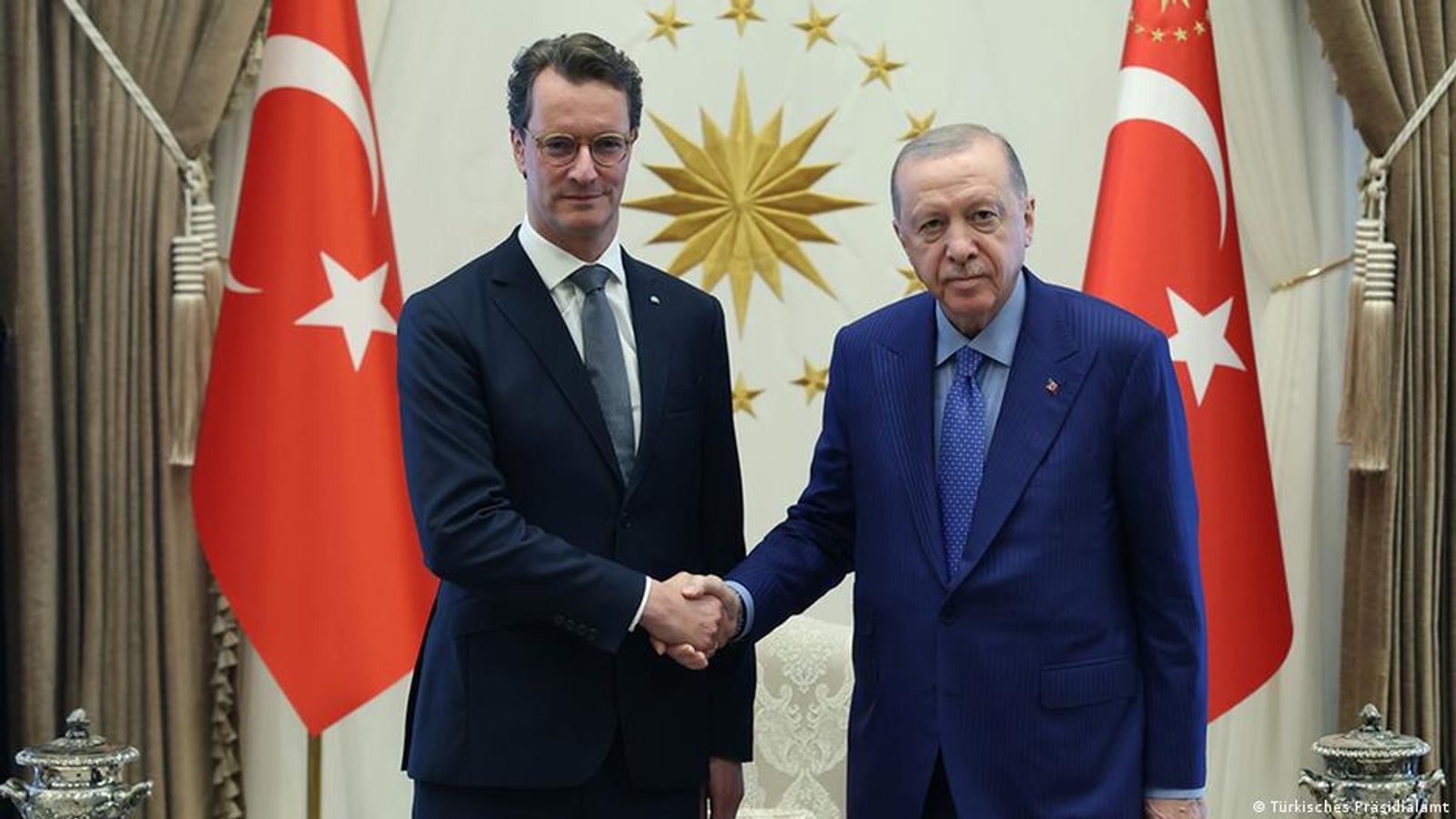
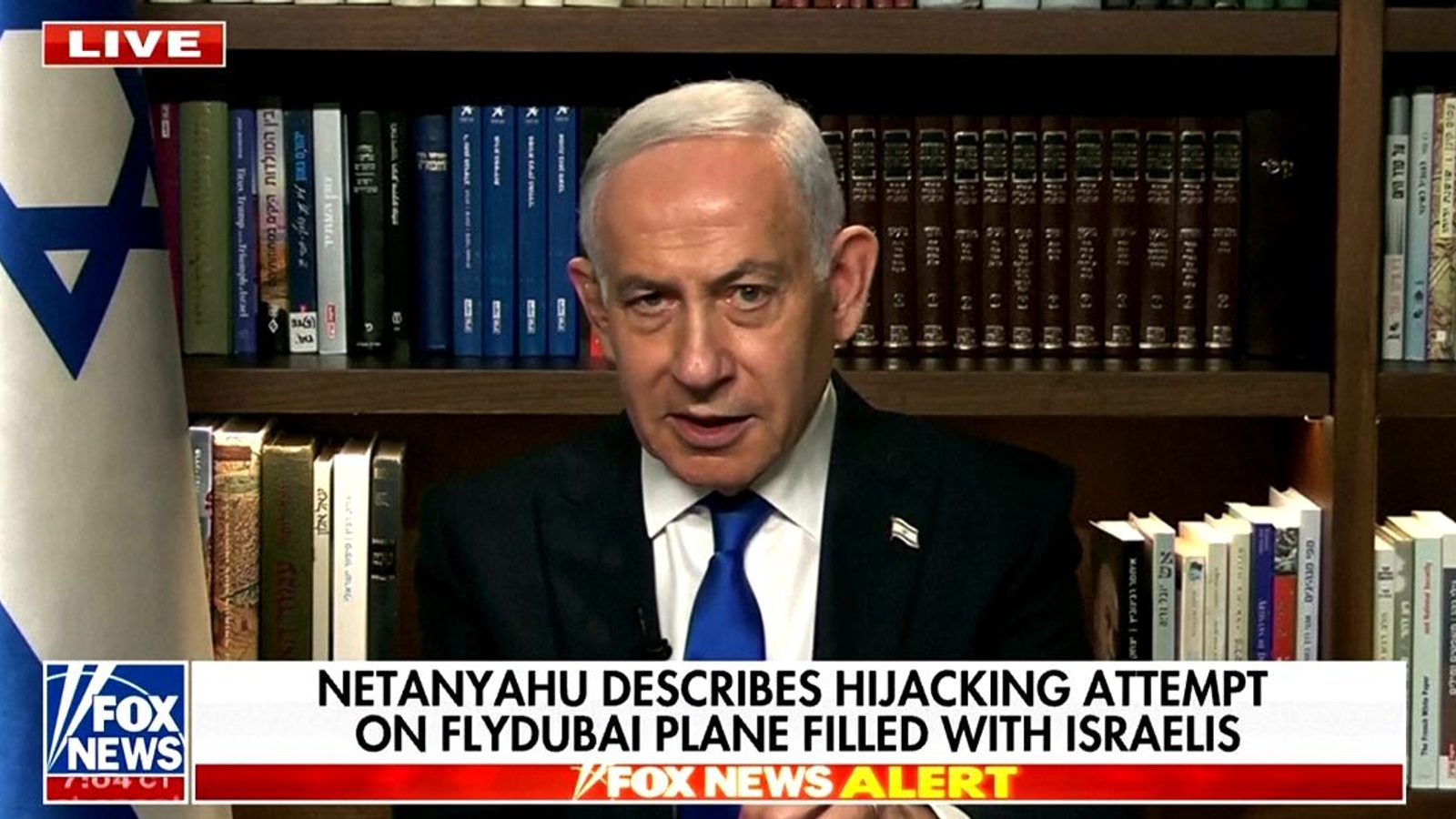
Netanyahu versus Erdoğan: new front opens in Syria
Netanyahu shifts focus toward Turkey as Israeli jets strike near the Turkish border; election politics and Syrian rivalries deepen tensions.
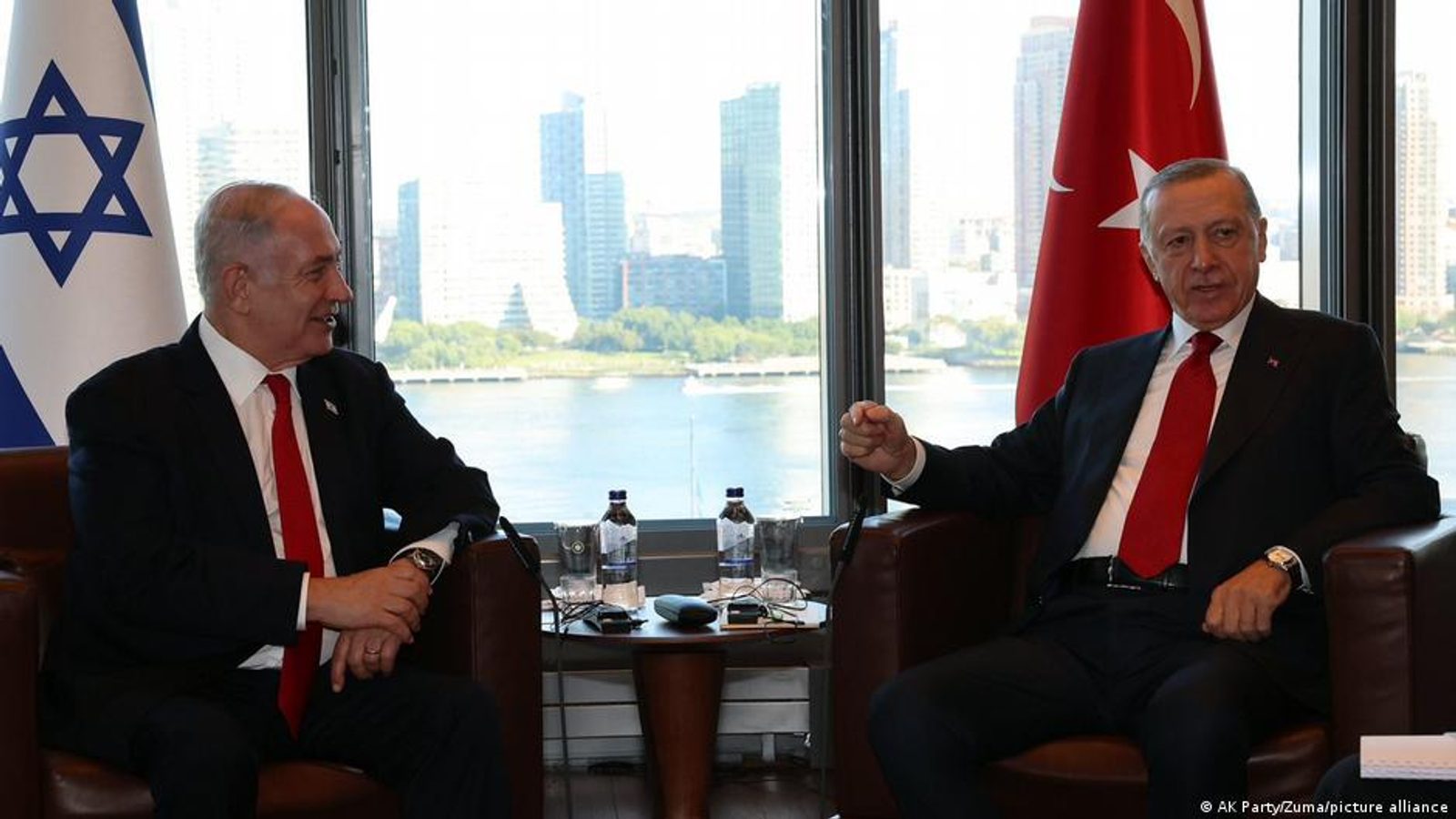
Israeli Prime Minister Benjamin Netanyahu has shifted his campaign rhetoric toward Turkey as bilateral tensions over Syria escalate, and Israeli jets struck a base in northern Syria close to the Turkish border this week.
Netanyahu said Ankara was trying to establish a military presence in the area and — after what he described as ignored warnings — "we made sure they understood more clearly." Israeli Defence Minister Israel Katz accused Turkish President Recep Tayyip Erdoğan of "dragging Turkey into dangerous adventures in Syria."
Election politics and a broader regional rivalry
With national elections scheduled for October 27, 2026, Netanyahu’s campaign has erected billboards showing several world leaders, including Erdoğan, with the slogan: "They want Netanyahu to lose." Analysts and opposition figures warn the strikes risk widening a confrontation beyond Israel’s existing battles in the region.
Yair Golan, leader of the opposition Democratic party, described the Syrian strike as "provocative and dangerous," warning it "brings us closer to a confrontation with Turkey and deepens the rift with our allies, above all with the United States." He added: "Once again, military force is being used for political ends, and once again Israel is paying a security price."
Turkey has been one of the fiercest critics of Israel’s large-scale Gaza offensive since the Hamas attack of October 7, 2023, and relations further deteriorated after Israel intercepted activist flotillas from Turkey trying to deliver aid to Gaza. But Ankara also has powerful backers: it is a NATO member, and Erdoğan maintains close ties with U.S. President Donald Trump; the U.S. ambassador in Ankara condemned the Israeli strikes.
Experts say the rivalry over Syria reflects overlapping but different priorities. Galia Lindenstrauss, a senior researcher at the Institute for National Security Studies in Tel Aviv, warned that Erdogan’s uncompromising rhetoric does not ease Israeli concerns: "There are fears that, as Turkey gives shelter to Hamas, it could allow armed groups to act in Syria and in the future pose a threat to Israel." She also said: "It appears Netanyahu is using an anti-Turkish card. I think he sees it as an opportunity to rally his political base around him."
Gjonul Tol, a senior fellow at the Washington-based Institute for the Near East, noted Netanyahu faces criticism at home for failing to achieve the declared aims of his military campaigns. She said a more direct move against Turkey could make Netanyahu look "reckless — ready to do anything to stay in power" and warned: "If he crosses that line, he must understand it will not be good for him, because there is also the unpredictable Trump factor, and Netanyahu cannot count on his backing." Tol added that Ankara’s public denials of Israeli accusations appear aimed at dampening tensions: "Erdoğan, as a populist leader, could have immediately taken a harder line and said he would strike and retaliate. But he did not do that."
For Damascus analysts, Syria must avoid becoming a playground for external rivals. Maher Tamran, a writer and political researcher from Damascus, urged Damascus to exploit the Turkish–Israeli rivalry to restore Syrian sovereignty, while noting both Ankara and Tel Aviv say they want a stable Syria but disagree on what that stability should look like.
Photo: press material from the event