EU Rejects COP31 Draft, UN Climate Talks End Without Agreement
EU and several countries refused the COP31 final text from Turkey and Australia, leaving the summit without a consensus after extended talks.
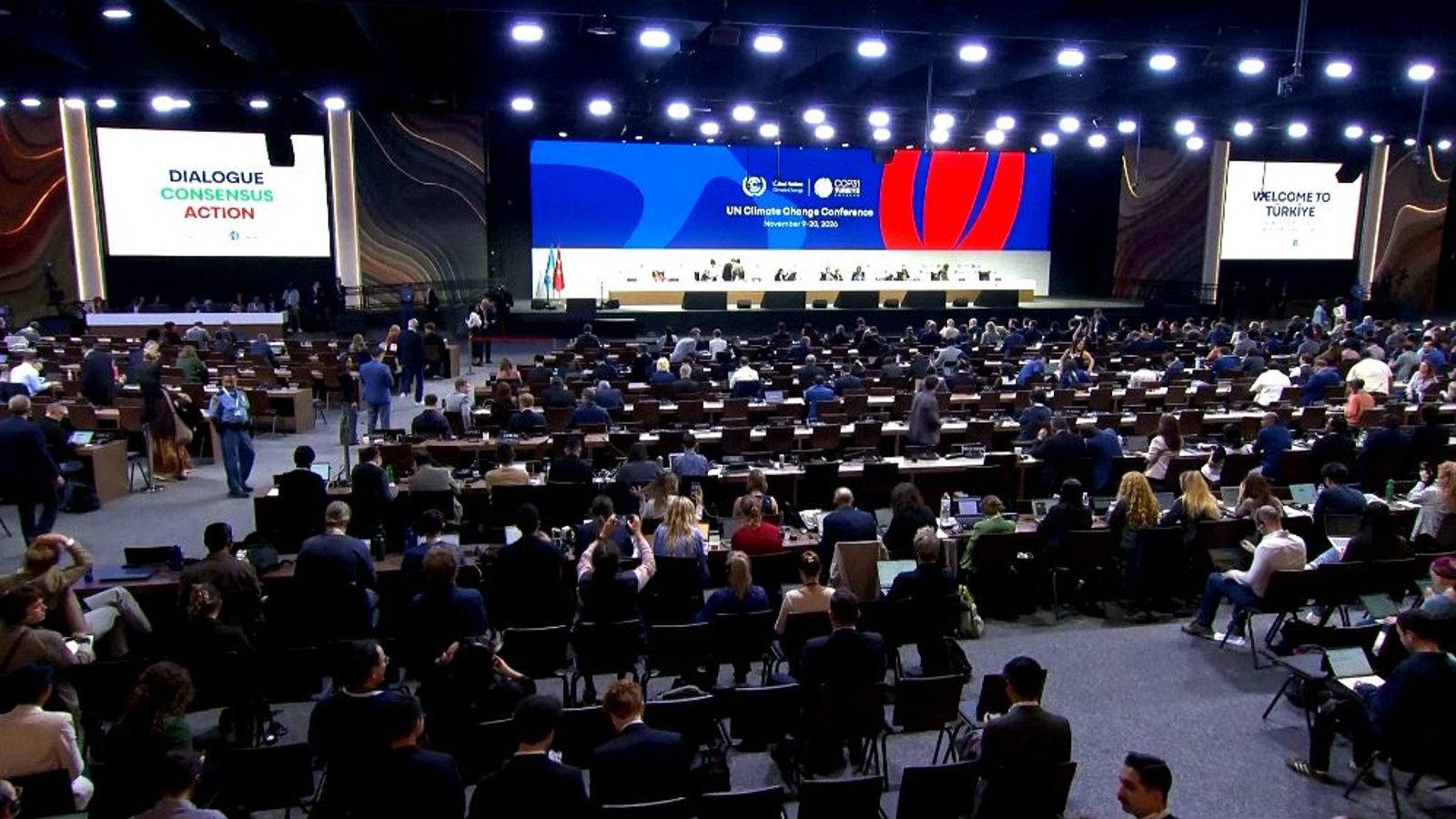
United Nations climate negotiations collapsed after the European Union and several other delegations refused to accept a final draft text tabled by the COP31 chairs from Turkey and Australia, saying the proposal was too weak to advance the fight against global warming.
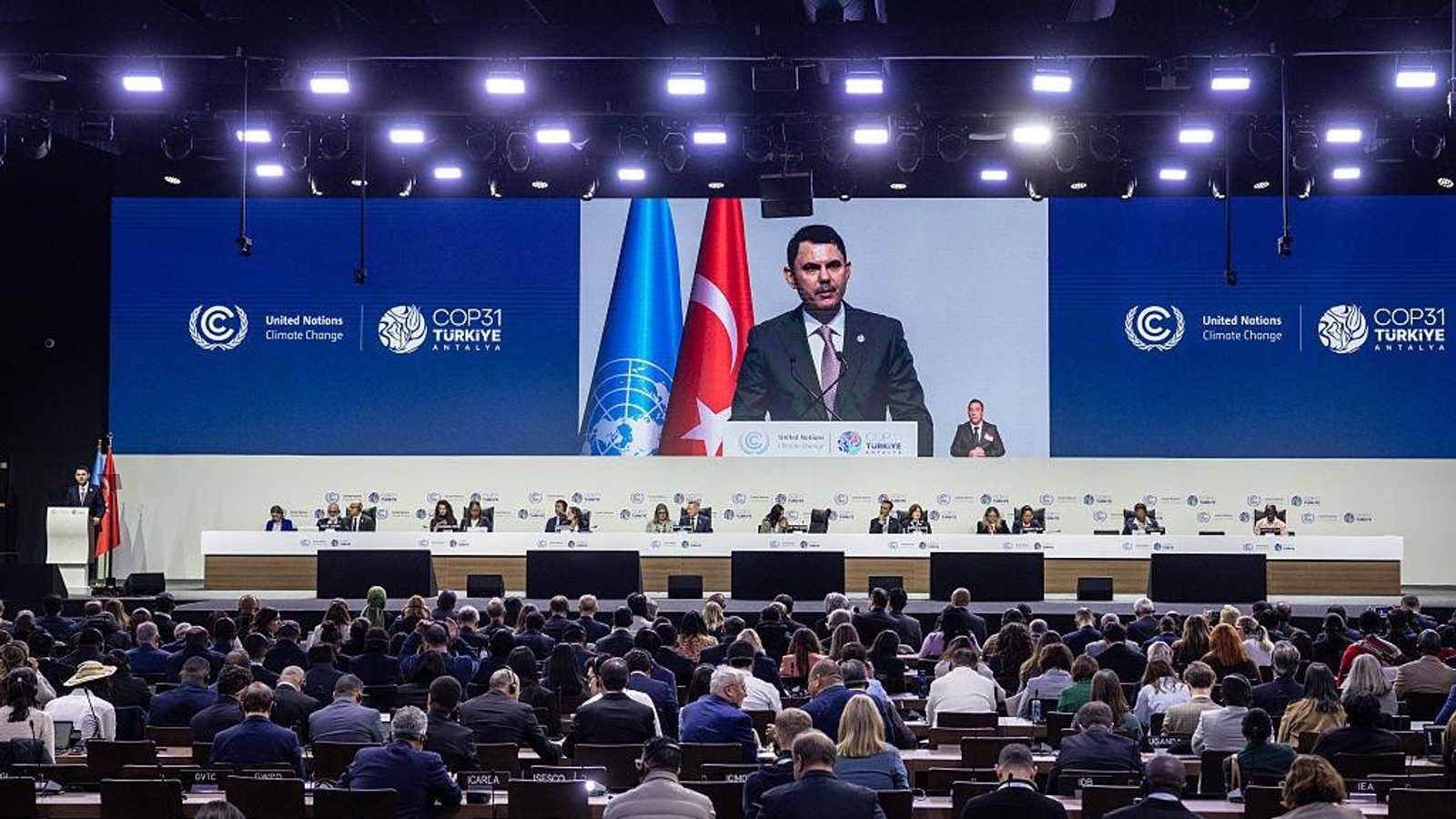
After more than two weeks of talks that were extended by two extra days—making this the longest COP to date—Turkish conference chair Murat Kurum told the closing plenary that there was no deal and that he would not circulate a revised text. "Nothing more can be done, we have done everything in our power," he said, then left the podium while other delegations were still speaking.
Key points of disagreement
Australian chair Chris Bowen described the outcome as "very disappointing" and identified disputes over fossil fuels and climate finance as central to the breakdown. Observers at the summit said Saudi Arabia and other major oil-producing states lobbied strongly to remove any mention of fossil fuels from the draft.
Irish Environment Minister Dara O'Briain said the EU could not support the proposed text in part because it made no reference at all to fossil fuels—widely identified by scientists as the main driver of global warming. "It is unacceptable to have a climate document that does not even mention fossil fuels, nor the transition away from fossil fuels," he said.
Panama also announced it could not back the draft, arguing that the language failed to reflect the severity and urgency of the climate crisis. The last time UN climate talks concluded without a universally accepted agreement was at Copenhagen in 2009.
The impasse comes in the wake of a United Nations environmental body finding in October that global temperatures will surpass the 1.5°C threshold that countries pledged under the Paris Agreement more than a decade ago—an outcome that makes extreme weather impacts increasingly intense.
Photo: DPA)