Energy giants warn supplies are shrinking and fuel prices are rising
Shell and Equinor officials in Oslo say market buffers are weakening as crude nears $110 a barrel and refined fuels, especially diesel, hit record highs.
Senior executives from Shell and Equinor told an industry conference in Oslo that global energy markets are entering a period of tighter supply and greater price volatility, and that the industry’s capacity to cushion disruptions stemming from the Middle East is diminishing.
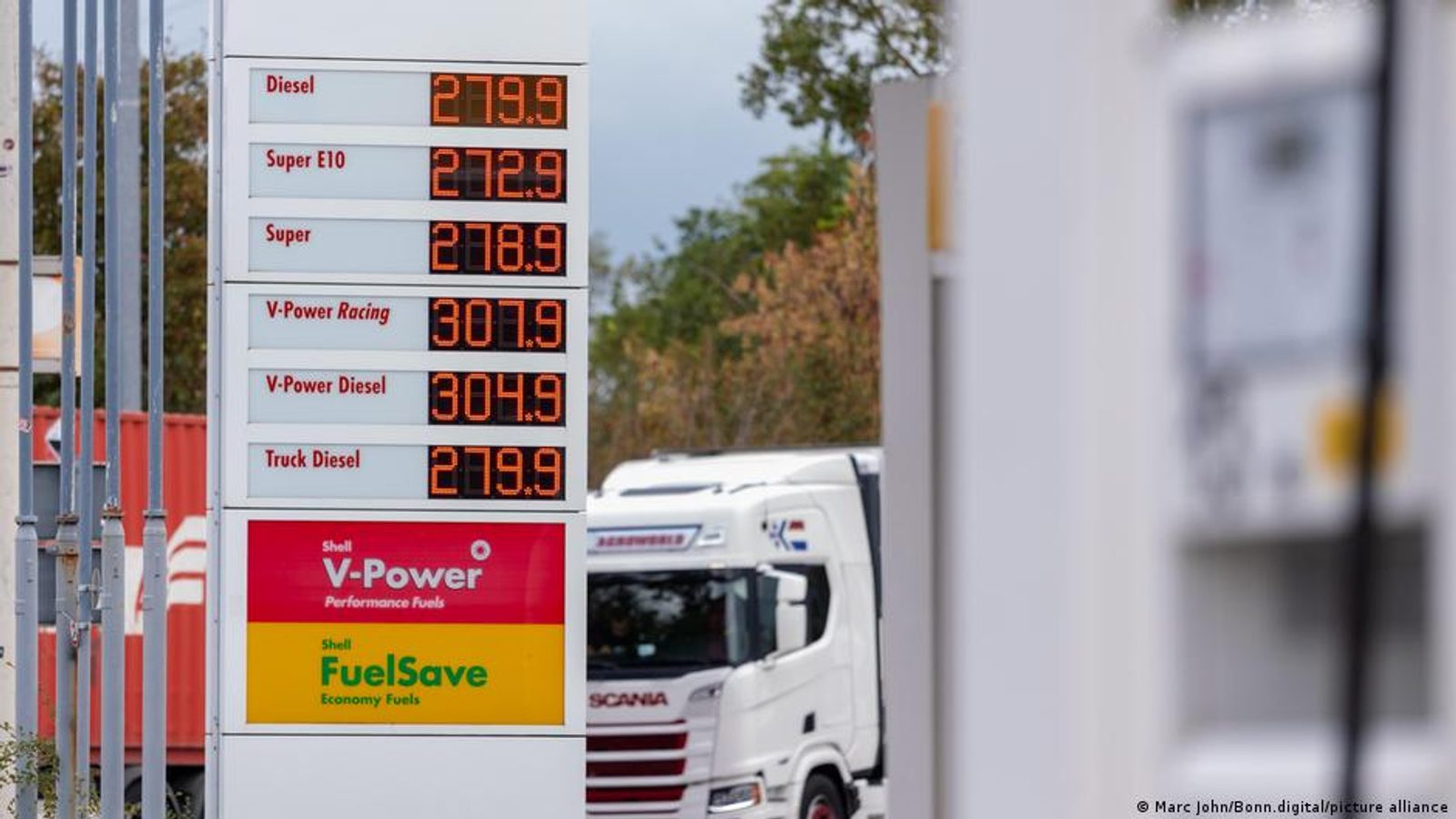
The price of crude oil climbed toward $110 a barrel this week, while refined products—especially diesel—registered even larger gains and reached record levels.
Adam Ritchie, chief economist at Shell Trading, said the market has so far absorbed the shock surprisingly well. He presented Shell’s estimates that since the start of the crisis the world has lost about 36 million metric tons of liquefied natural gas and roughly 1.6 billion barrels of crude oil and condensates. Ritchie noted that weaker demand from China, inventory draws, flexible shipping, spare pipeline capacity and higher U.S. production have helped to blunt the impact. He warned, however: "The shock absorbers are weakening."
Short-term buffers fading, longer recovery possible
Ritchie told delegates that those mechanisms are gradually losing effectiveness and that the longer disruptions persist, the greater the risk of new supply shocks.
He added that even if damaged energy infrastructure is brought back online, normalization need not be rapid. Narrowing transport, production and supply‑chain bottlenecks could delay a full market recovery into 2027, assuming there are no further hits to energy infrastructure. After the crisis eases, the need to refill inventories could itself further strain supplies next year.
Europe is a particular concern: gas storage levels are substantially below seasonal averages ahead of winter, raising the prospect of tighter European markets if flows do not improve.
Equinor chief executive Anders Opedal said European prices will depend on the weather, how much liquefied natural gas can transit the Strait of Hormuz, and competition from Asian buyers for available cargoes. He told the conference: "The shock absorbers are not as effective as they were at the start of the conflict," and warned consumers could feel the impact in the coming months.
The picture, the executives said, now extends well beyond crude oil: rising pressure on diesel, natural gas and other refined products means continued disruptions would elevate both supply risks and price volatility across fuel markets.
Photo: press material from the event