Trump emissaries hold talks in Moscow and Kyiv with proposals to end the war
Steve Witkoff and Jared Kushner held meetings in Moscow and Kyiv to present ideas for a ceasefire and wider arrangements.
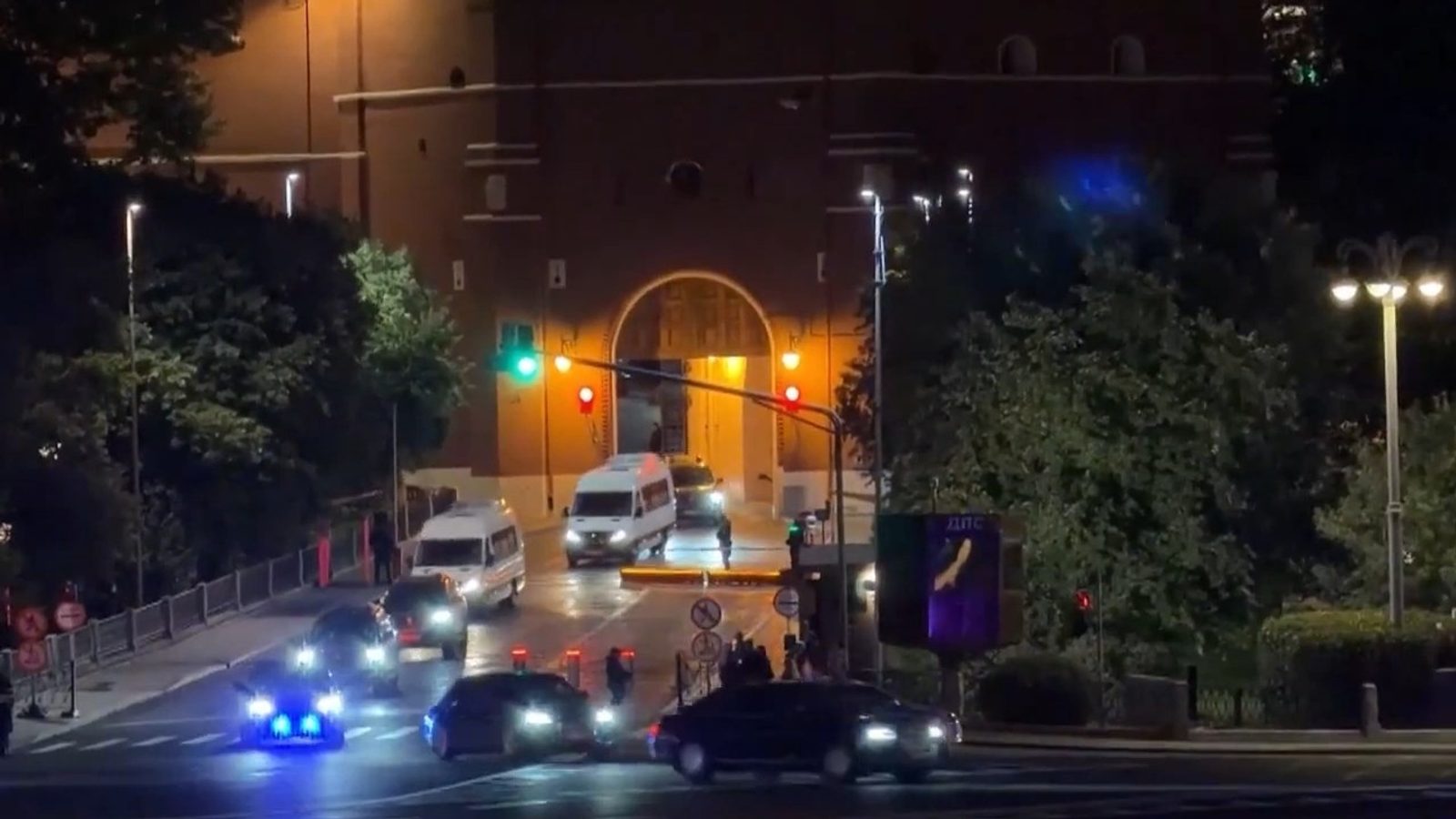
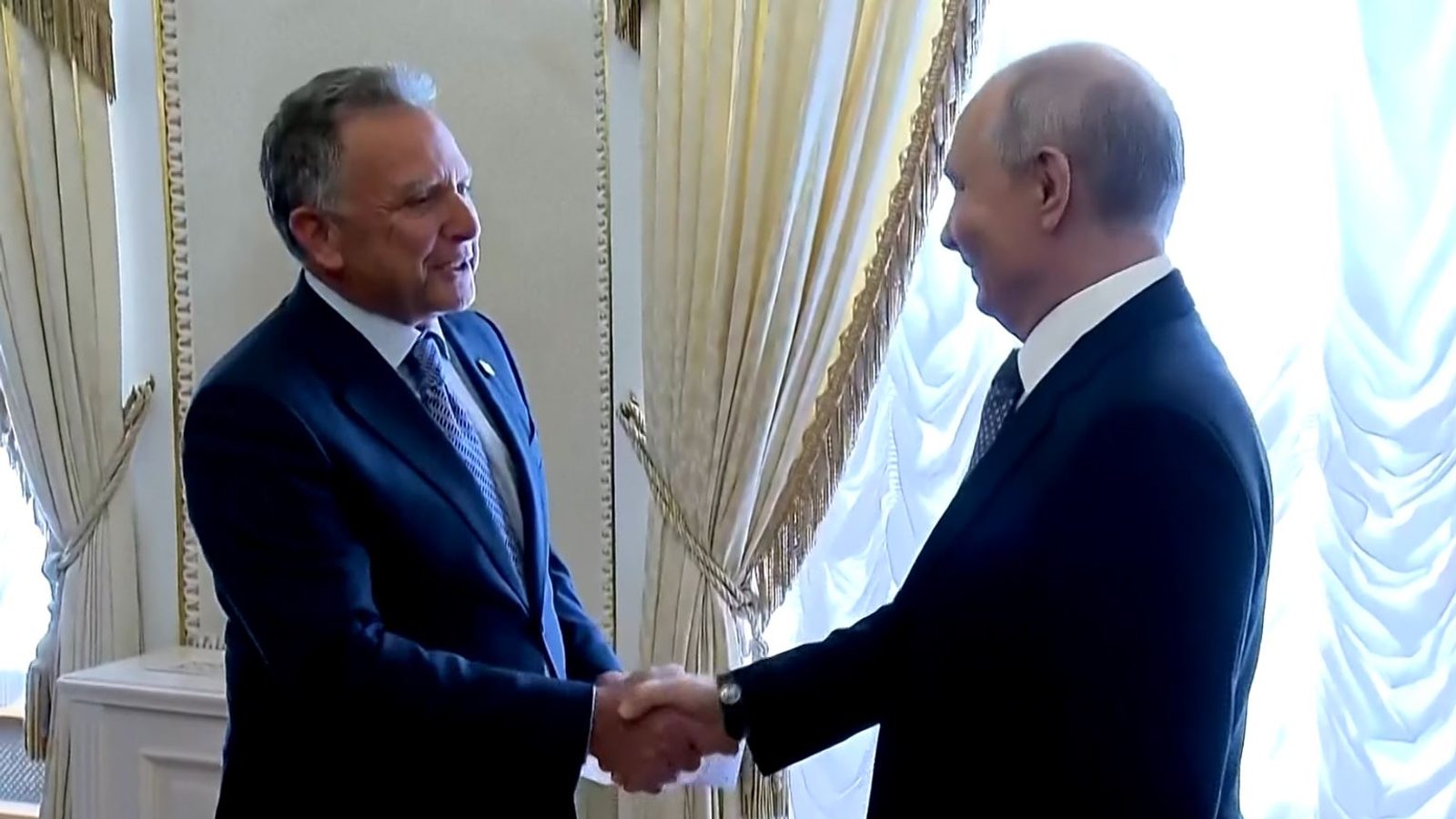
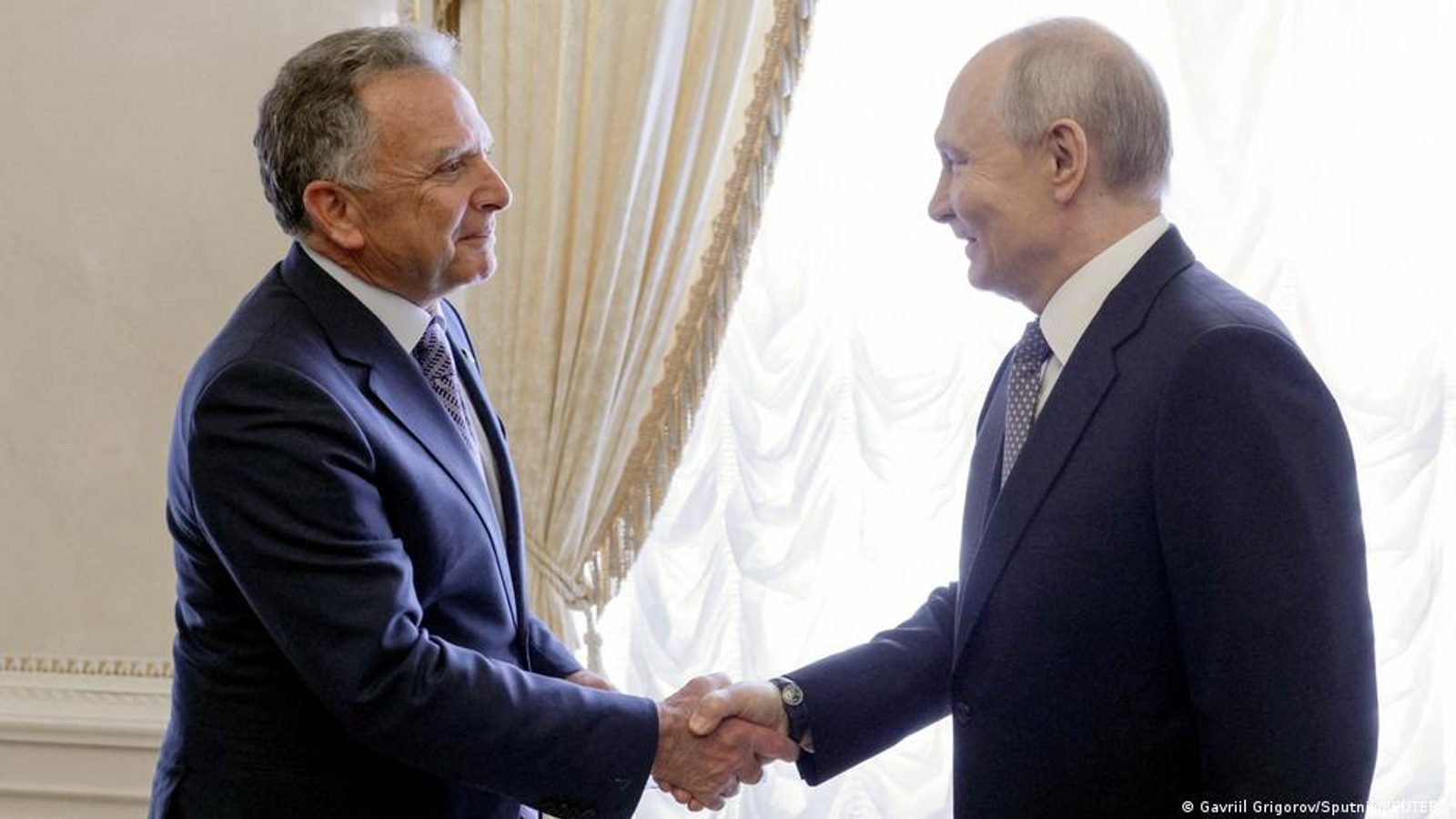
After a roughly six-month pause in talks and a recent uptick in fighting, a new diplomatic push involving US emissaries to Russia and Ukraine has taken place. Steve Witkoff and Jared Kushner visited Moscow first and then Kyiv, meeting separately with Vladimir Putin and Volodymyr Zelensky to present ideas aimed at ending the war that began in 2022.
According to Yury Ushakov, a presidential adviser in Moscow, the American envoys arrived with a set of concrete proposals. "The American representatives were fully prepared for this trip. They not only repeated their interest in a rapid cessation of hostilities, but also presented a series of ideas for possible ways to reach a settlement of the conflict."
Ceasefires, economics and a narrow window
Officials say the meetings were not limited to security issues: both economic subjects and potential Russian–American projects of mutual interest were discussed at the table. Ahead of the visits, Putin and Zelensky reportedly agreed to suspend strikes on the two capitals for three days to ensure the safety of the US delegation.
President Putin framed the talks as difficult but acknowledged the role of the US interlocutor. "The situation we will examine is certainly not easy. Before we begin, I would like to express my gratitude to the American president Donald Trump. He understands that he is entering a complex situation," Putin said.
Witkoff and Kushner then traveled to Kyiv by train rather than by plane — a first visit to the Ukrainian capital by the pair as principal envoys of Donald Trump. President Zelensky said he was prepared for serious negotiations. "Our goal is to contribute to a faster end to the war. Peace is necessary. Security guarantees are necessary, as well as a dignified and sustainable peace after the end of the war. Our proposals are prepared," Zelensky said.
Outside the negotiating rooms, analysts remain skeptical that the latest round will move Moscow's position. "Neither the US nor anyone else can exert great pressure on the Russian president. That is actually the problem: how can you put pressure on Moscow? There are thousands of sanctions, ships of the covert naval fleet are being seized. Putin will not give up, he knows what he wants and will fight to get it. The US cannot do much. I think Russia expects the White House to put more pressure on Zelensky and perhaps that is why Witkoff and Kushner go to Kyiv, to exert greater pressure on Zelensky," said Nina Kusheva, a professor of international relations at New York University.
Meanwhile, fighting continued elsewhere in Ukraine and inside Russia: recent missile strikes hit roughly ten targets in Zaporizhzhia, and Ukrainian forces reportedly struck positions in Belgorod. High casualty numbers, battered economies, damaged infrastructure, upcoming elections in Russia and growing calls for votes in Ukraine could all increase pressure on both capitals to find a way to end the war.
Photo: press material from the event