Study links ancient Sulawesi skeletons to betel nut chewing 25,000 years ago
Unusual skeletal markers from two Sulawesi foragers—one dated 25.000-16.000 years ago—are linked to habitual betel chewing, researchers say.
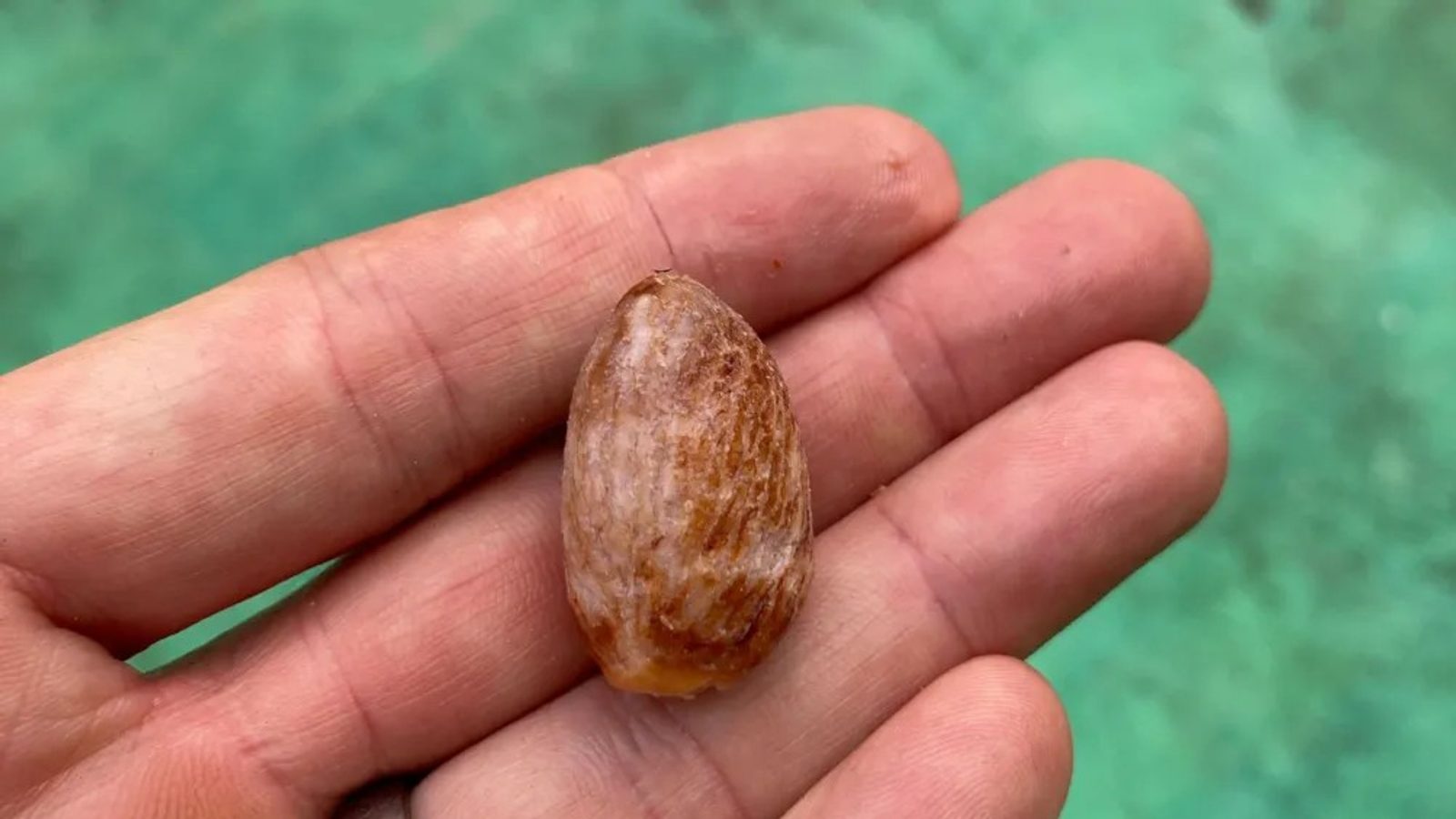
Researchers from Griffith University report skeletal evidence that suggests betel nut was used as a psychoactive substance by communities on the Indonesian island of Sulawesi tens of thousands of years ago. The findings, published in Science Advances, are based on unusual patterns identified in ancient bones that the team links to habitual betel chewing.
What the remains show
The study examined two rare sets of forager skeletal remains from Sulawesi. One set is dated to between 25.000-16.000 years ago, while the other dates to 7.600-6.300 years ago. Investigators identified bone markers and wear patterns the authors interpret as consistent with long-term betel nut use.
Lead researcher Adam Brumm described the potential significance of the discovery, saying "this could be the earliest evidence for drug use in the world." The paper argues that the skeletal signatures provide a new line of evidence for ancient psychoactive substance use in Island Southeast Asia.
According to the team, the pattern of skeletal change differs from damage caused by diet or ordinary taphonomic processes, and instead matches effects expected from repeated betel chewing over long periods. The authors emphasize the rarity of the remains, which limits the sample but increases the significance of each find.
The researchers call for additional excavations and comparative analyses to test the interpretation and to establish how widespread such practices may have been across prehistoric island communities.
Photo: press material from the event