Prosecutor says defence for Gjoko Ristov pushed a 'fantastic' contamination theory
Iskra Hadzhi-Vasileva says defence tried to connect slips written by the judge's mother to DNA found on the foil; an expert will review the DNA at the next hearing.
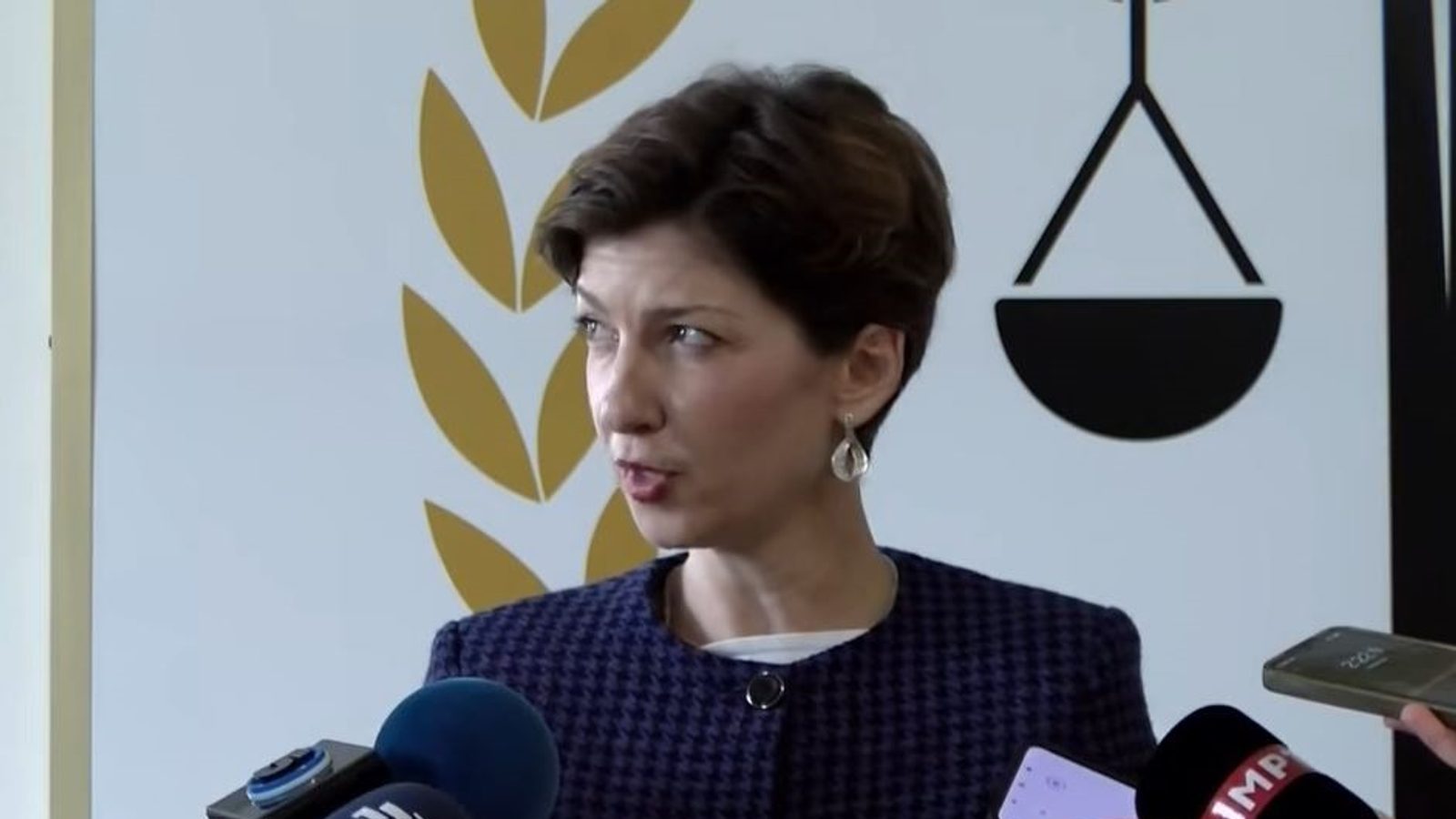
Prosecutor Iskra Hadzhi-Vasileva criticised the defence in the criminal case against Appellate Judge Gjoko Ristov after a court hearing, saying the defence tried to link handwritten slips found among seized cash to DNA traces on the foil that wrapped the money found in the family home in Negotino.
DNA evidence to be examined at next hearing
Hadzhi-Vasileva said the slips are part of the evidentiary material and were discovered together with the banknotes and related wrapping; she stated the slips were written by the accused's mother. She added that the defence sought to advance a theory of possible contamination — that DNA could have been transferred by touching the items — but dismissed that as speculative.
"The defence tried to spin a story by linking those notes written by Donka, Gjoko's mother, with the DNA material found on the foils, which is directly on the accused Gjoko. The spin was probably along the line of some contamination, but it is hard to believe that Donka handled or rubbed Gjoko's notes, and therefore, theoretically, to arrive at some hypothetical and fantastic scenario that DNA material would be transferred from there," the prosecutor told reporters.
She announced that DNA-related evidence will be reviewed further at the next hearing, when an expert proposed by the Prosecution is scheduled to testify.
The prosecutor also commented on testimony from the father of the judge's wife, who told the court that he took part in financing the purchase and renovation of a 150-square-metre apartment in Skopje valued at €140,000. According to his testimony, Ristov's parents and the wife's parents contributed equally and he said he provided €70,000 in cash. Hadzhi-Vasileva said those statements concern family matters and facts that are not directly at issue in the indictment.
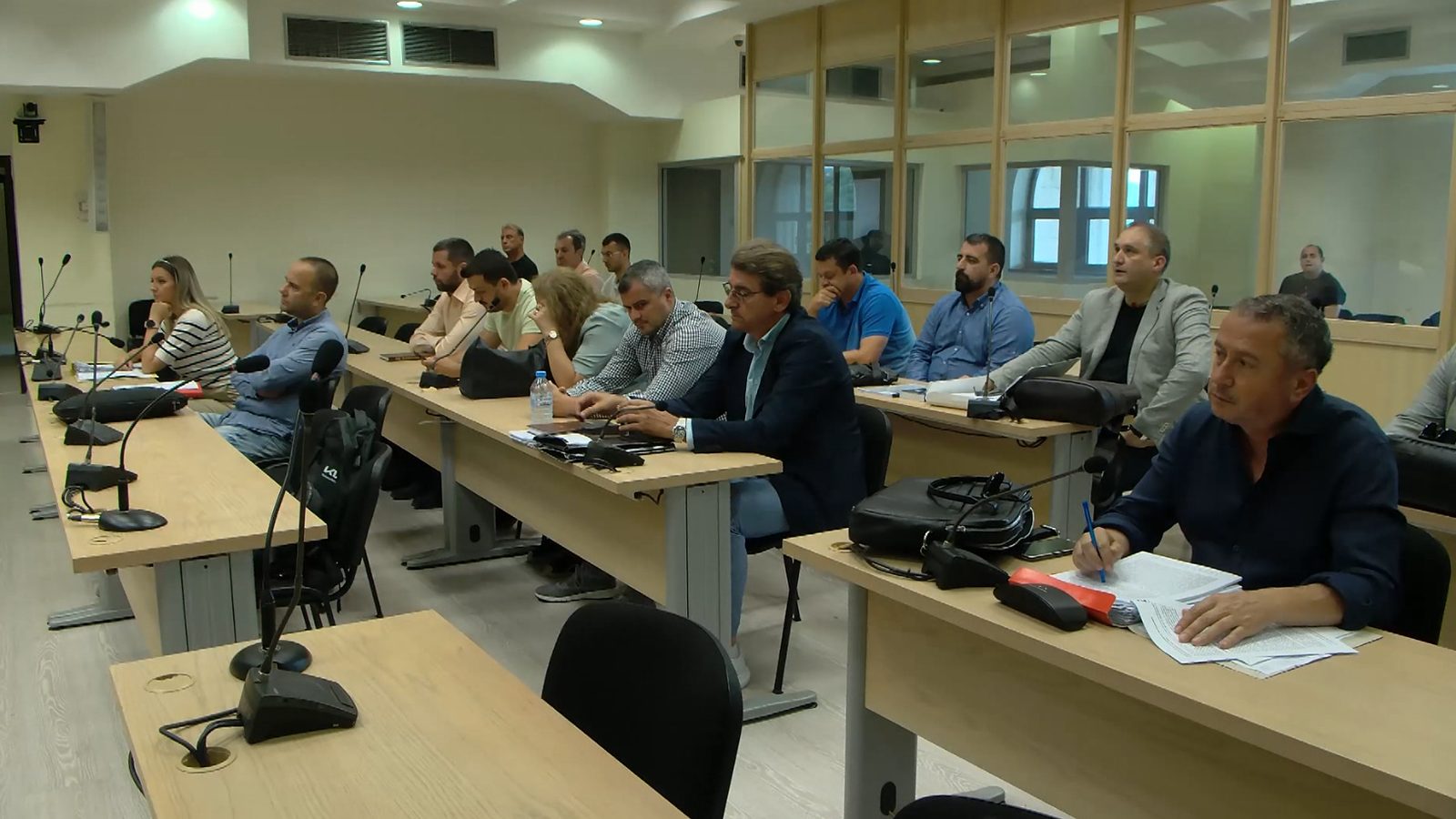
Defence counsel Zvonko Davidović countered that the proceedings are being run in a confused manner — using a local expression he described as "zhimi majka" — noting that during the case someone in whose house the money was found claimed the funds were his. At the previous hearing, Ristov's parents testified that the €350,000 found walled in the kitchen of their family home in Negotino were their savings, accumulated over years from the sale of agricultural produce. When the judge asked why the money and the foil in which it was wrapped did not contain their DNA but showed traces of their son Gjoko's DNA, they responded that "there is no chance" and that they "do not believe in such a thing."
Appellate Judge Gjoko Ristov is charged with concealment of assets and money laundering. Investigators say that during a search of his parents' home, carried out on 18 January this year, they found 13 separate packages comprising a total of 610 banknotes in €500 denominations and 225 banknotes in €200 denominations, some of which had hand-written amounts marked on them. According to the indictment, between 10 February 2020, while serving as a judge at the Appellate Court in Skopje, the suspect failed to declare assets or changes in his asset status, provided false information about his assets and did not report property that greatly exceeded his lawful income.
Photo: Printskrin