AfD Poised to Win Saxony-Anhalt — What It Would Mean for German Politics
Polls put Alternative for Germany at roughly 40%; the result is seen as a test of Germany’s political limits and Chancellor Friedrich Merz’s authority.
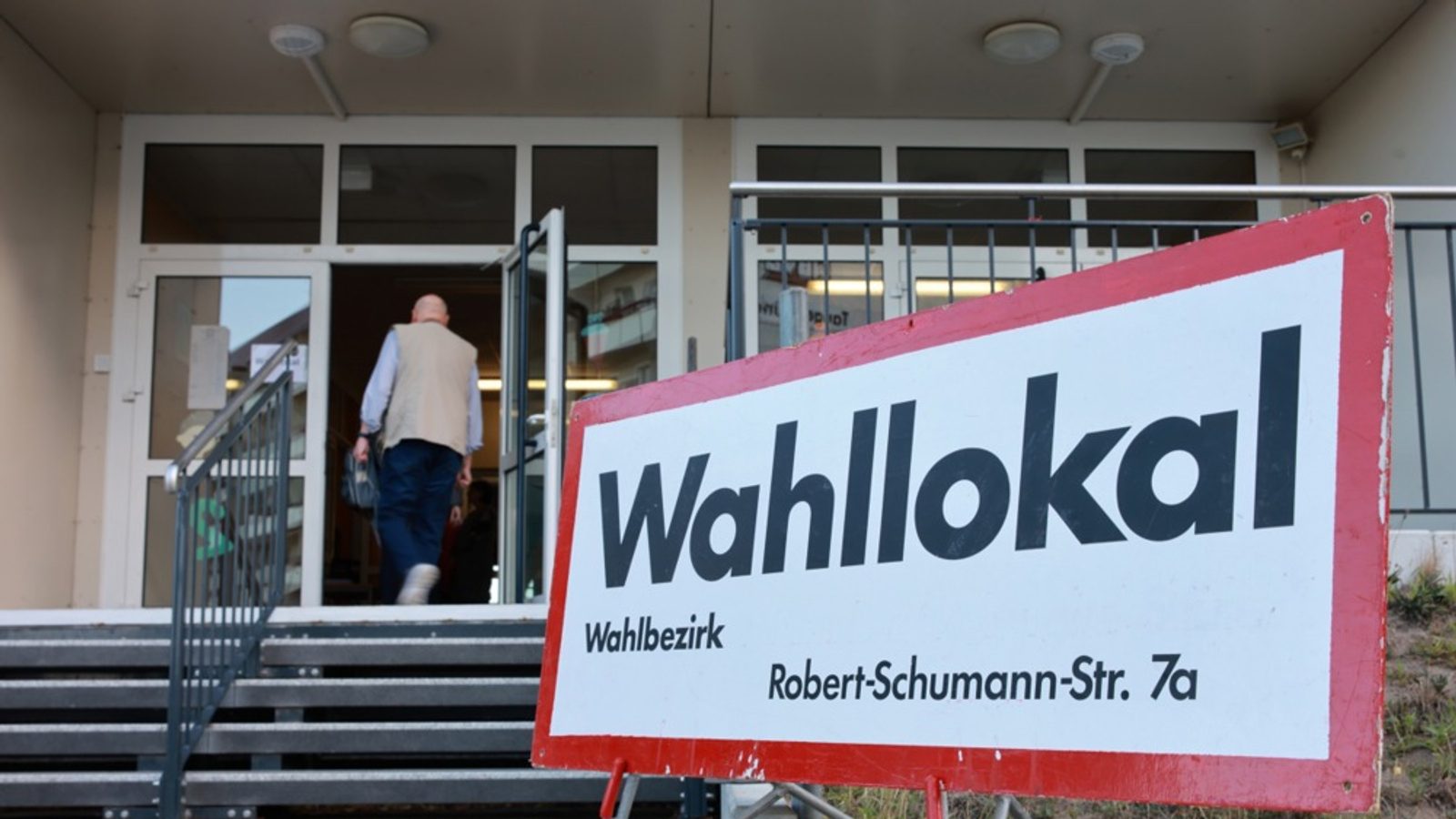
Voters in the eastern German state of Saxony-Anhalt are casting ballots as polls point to a commanding lead for the right-wing Alternative for Germany (AfD). About 1.7 million people are eligible to elect a new state parliament, and surveys place the AfD at roughly 40 percent support — far ahead of the Christian Democratic Union (CDU) led by state premier Sven Schulze, on about 23 percent.
What's at stake
The Left is polling at 11 percent, the Social Democratic Party (SPD) at 8 percent and the Greens at 6 percent. The Free Democratic Party (FDP) is expected to fall short of the threshold, making continuation of the previous CDU–SPD–FDP coalition unlikely. With all mainstream parties refusing to cooperate with the AfD, commentators have discussed a possible coalition of CDU, SPD and the Greens that would back The Left.
AfD's lead is centered on its state frontrunner, Ulrich Sigmund, who has declared the party aims for an absolute majority and to install the first AfD state premier. "We have already entered history. We will take back our country, dear friends. We are the future," Sigmund told supporters before the vote. AfD deputy leader Alice Weidel added: "We choose between those who hate Germany and those who love Germany. And that is us. That is AfD."
Protests and civic mobilization have countered the AfD campaign in Magdeburg. Trade unions and civic groups organised gatherings in support of democracy, and thousands turned out to show opposition to the party's message. At one demonstration a participant said: "We must show what could happen if far-right extremists come to power."
Religious leaders and analysts have voiced alarm. Bishop Gerhard Feige said he was worried about the election's direction: "People again easily allow themselves to be deceived, and that fills me with fear. I am left speechless when I see how the danger posed by the AfD is relativised," he told a national newspaper. Political scientist Robert Stoecker described the moment as potentially transformative: "This could be a symbolic turning point, the beginning of a new era in German politics. The main reason is not one single issue, but a feeling. The feeling of returning to an old Germany that was safe and economically successful."
Beyond regional government, the vote is being read as a barometer for the boundaries of German politics: a test of whether the political system can maintain the barrier it has long set against the far right, and how a strong AfD result would affect the political authority of Chancellor Friedrich Merz. Initial results are expected during the night.
Photo: EPA/CLEMENS BILAN