Food safety: Agency intensifies market inspections after 200+ tonnes removed
Nearly 75,000 inspections from January to August led to more than 200 tonnes of unsafe food removed; further tightened controls and calls to raise fines were announced.
The Agency for Food and Veterinary has intensified market inspections after recent seizures of unsafe products, aiming to stop illegal sales and protect consumers and legitimate producers.
Inspections, seizures and returned shipments
From January to August this year the Agency reports that nearly 75,000 inspections were carried out, and more than 200 tonnes of unsafe food were removed from circulation. Of that amount, nearly 70 tonnes were destroyed in domestic trade and at import, while over 122 tonnes of products of animal origin were sent back to their countries of origin.
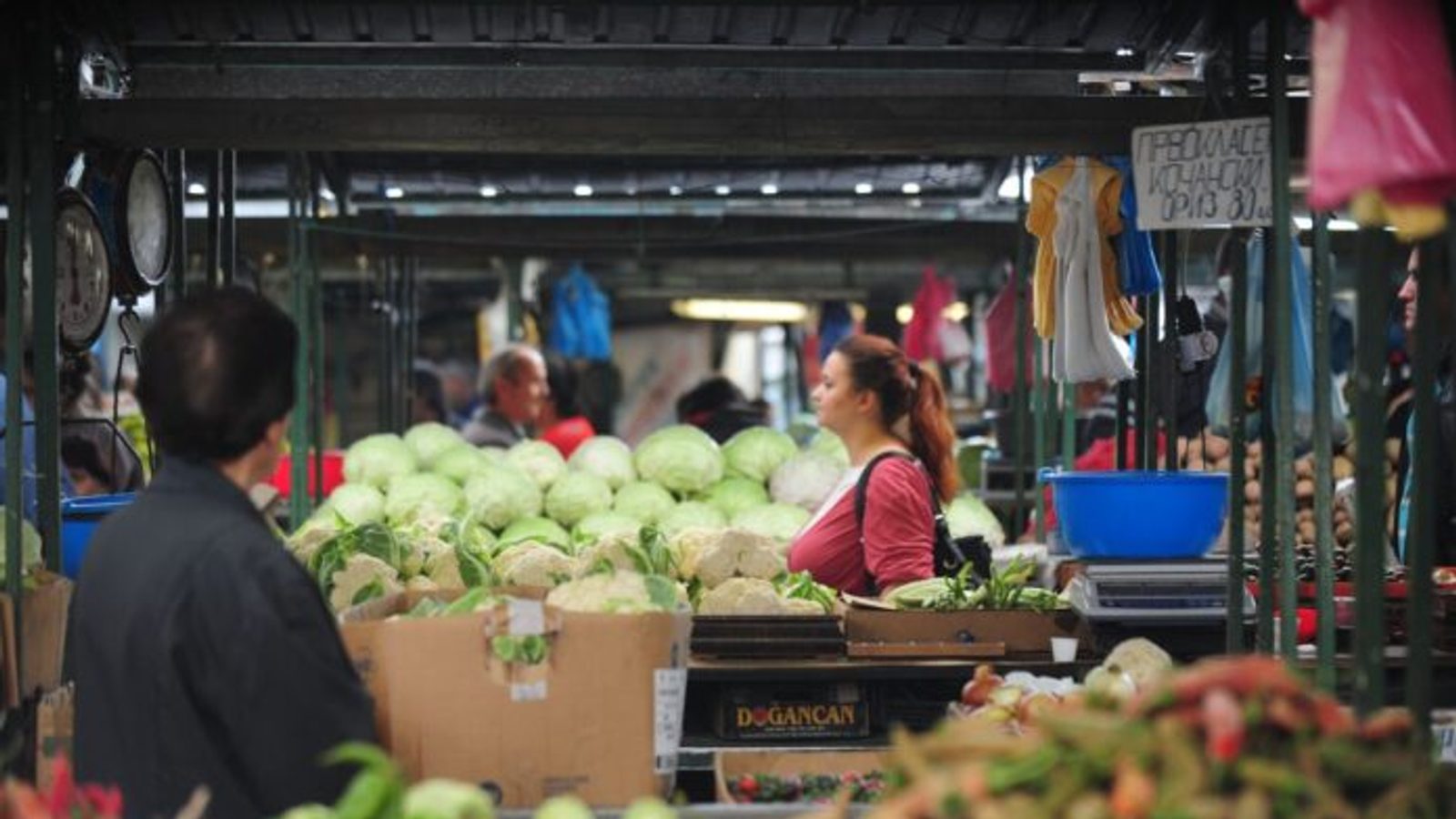
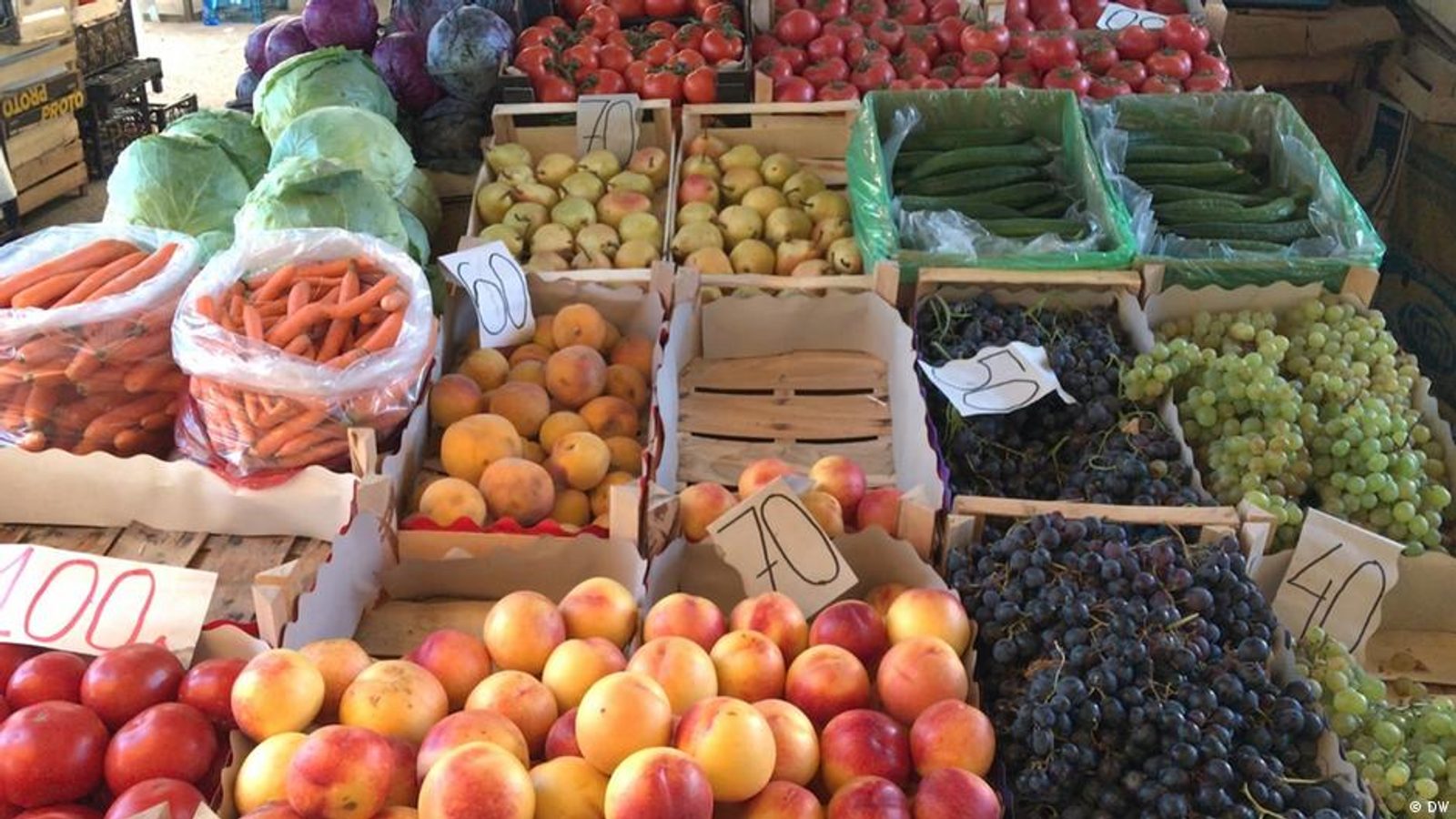
Last week, extraordinary checks at Skopje’s Green Market and the market in the Gjorche Petrov neighbourhood resulted in the confiscation and destruction of more than five tonnes of unsafe food, mainly fruit and vegetables sold outside organised market spaces. Earlier this month, about two tonnes were seized during an inspection at the Chento market for improper storage and handling.
Border controls have also intercepted unsafe imports. In one recent operation at the Blace crossing two UHT milk shipments from Kosovo totalling 27,520 kilograms were prevented from entering because tests found aflatoxin above permitted limits; those quantities were destroyed at the Drisla landfill under the supervision of an official veterinarian. Last year import of over 26 tonnes of frozen chicken drumsticks from Brazil was blocked due to an outbreak of avian flu in the country of origin.
Meat-sector inspections turned up further violations: in Struga and Ohrid authorities seized and destroyed 1,000 kilograms of chicken gizzards — a product whose import and use is banned — plus an additional 55 kilograms of meat preparations containing that ingredient. Two butcheries now face misdemeanor proceedings for violating the ban.
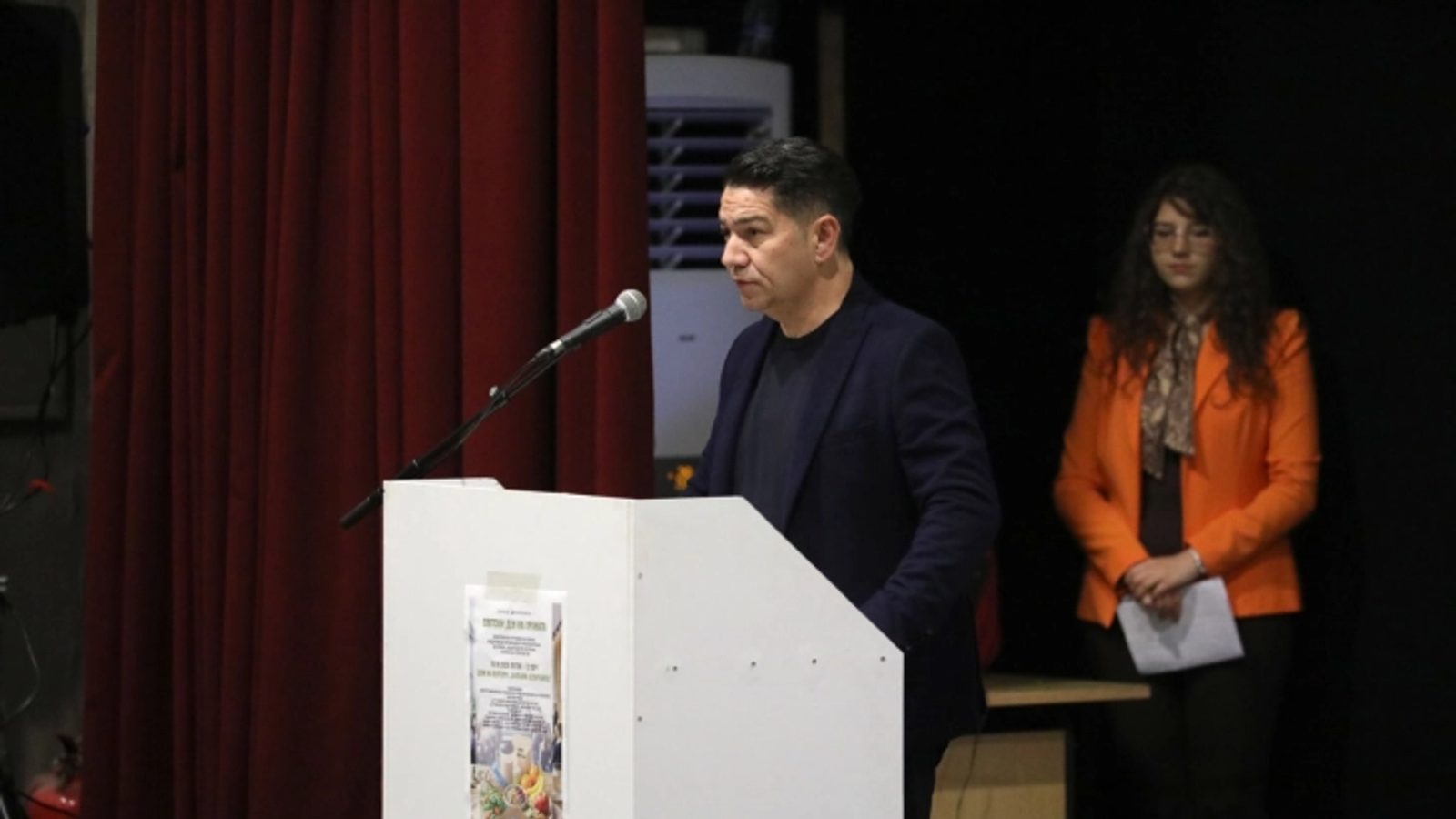
The Agency says strengthened inspections will continue at multiple locations in Skopje and across the country. Director Oliver Milanov, speaking on the occasion of World Food Day, said Macedonian citizens consume safe food but assessed that fines for irresponsible operators are low and should be increased. Officials urge consumers to check use-by dates, nutritional information and the organoleptic properties of products.
Alongside the enforcement data, authorities and civil organisations warn about food waste. The UN Environment Programme estimates that each resident in the country wastes 86 kilograms of food per year — 17 kilograms more than the EU average — and the Food Bank organisation says over 10,000 tonnes of food are discarded annually. Officials note that many of the seized quantities could be redirected to donations instead of becoming waste, where safety and origin allow.
Photo: press material from the event