From sabotage to diplomatic strain: Nord Stream case reshapes German debate on Ukraine
Arrests in Croatia and excerpts from the federal indictment have escalated demands in Germany to pause aid to Kyiv amid allegations of Ukrainian involvement in the Nord Stream blasts.
The Nord Stream sabotage and the recent arrest in Croatia have reignited a fierce policy debate in Germany over support for Ukraine.
Opposition forces on the right and the new left-wing alliance around Sahra Wagenknecht have seized on the case to demand an immediate halt to German arms and financial aid, arguing that Kyiv could have ordered the pipeline attacks. Their campaign gained momentum after a second Ukrainian suspect was detained in Pula, Croatia, earlier this month.
Prosecutor’s indictment and parliamentarian reactions
Members of the Bundestag from Alternative for Germany (AfD) and Bündnis Sahra Wagenknecht (BSW) have pointed to formulations in the federal indictment to bolster calls for stopping assistance to Ukraine. AfD foreign policy spokesman Markus Frohnmaier quoted passages from the charge against the first extradited suspect, Serhii K., saying, "The Federal Public Prosecutor calls this act, listen carefully : a war crime." His intervention provoked loud responses in the chamber.
The indictment itself, cited by opposition MPs, describes the plan alleged to have been developed after the start of Russia’s full-scale invasion in late February 2022: "After the start of the Russian aggressive war at the end of February 2022, he together with other members of the military, on orders from state institutions in Ukraine, developed a plan to destroy the Nord Stream 1 and Nord Stream 2 pipelines, through which Russian gas is transported across the Baltic Sea to Lubmin in Germany. The aim was to permanently prevent deliveries of gas via these pipelines and to prevent Russia from using revenues from trade in natural gas to finance its military operations."
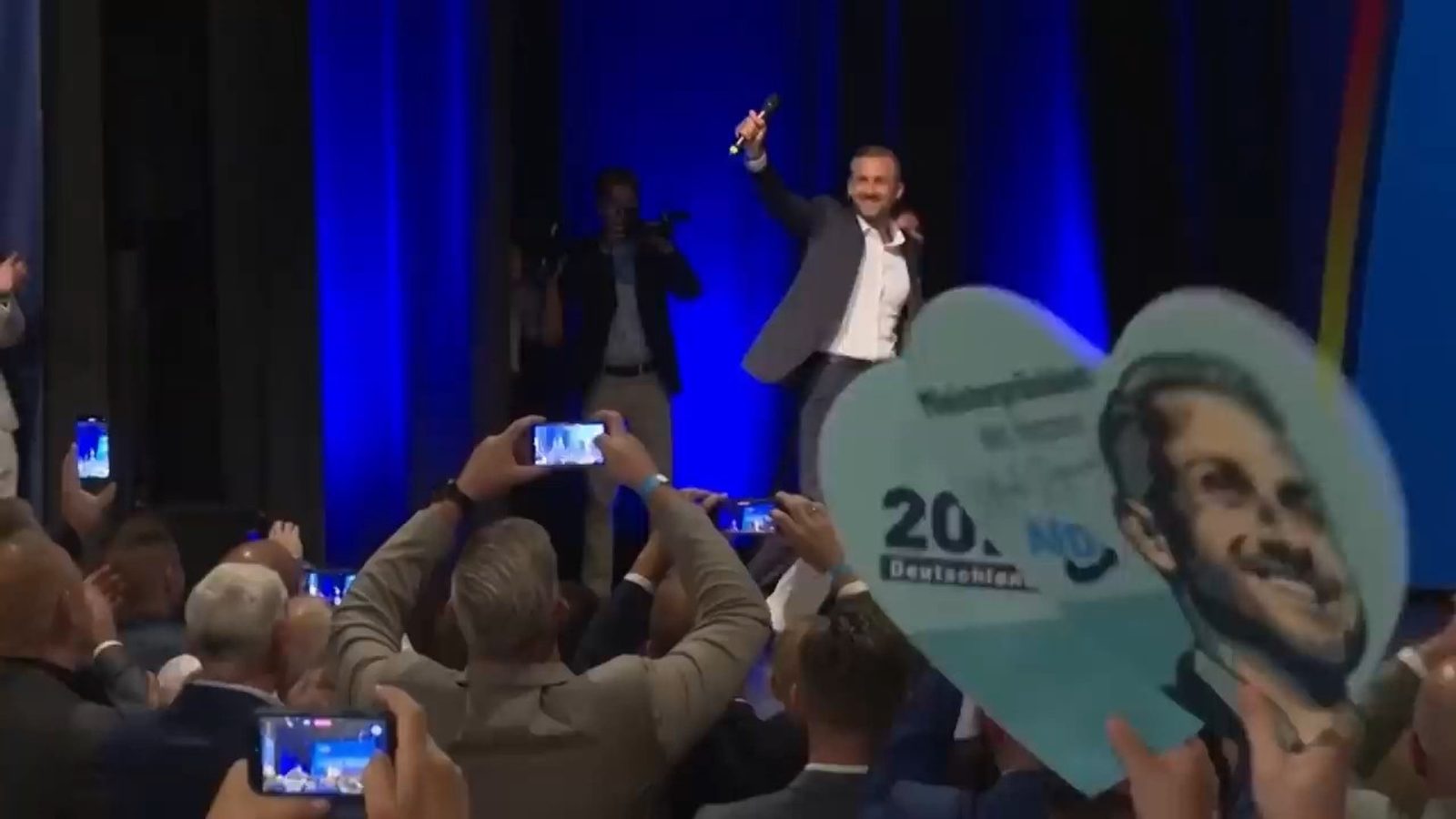
Sahra Wagenknecht has been blunt in her assessments and used the pipeline issue in campaign imagery; one poster displayed a chained valve with the slogan: "Open Nord Stream." Wagenknecht told supporters that "Many people perceive German policy as an absolutely vassal-like relationship because it has not learned any lessons from all this. No other country would act like this."
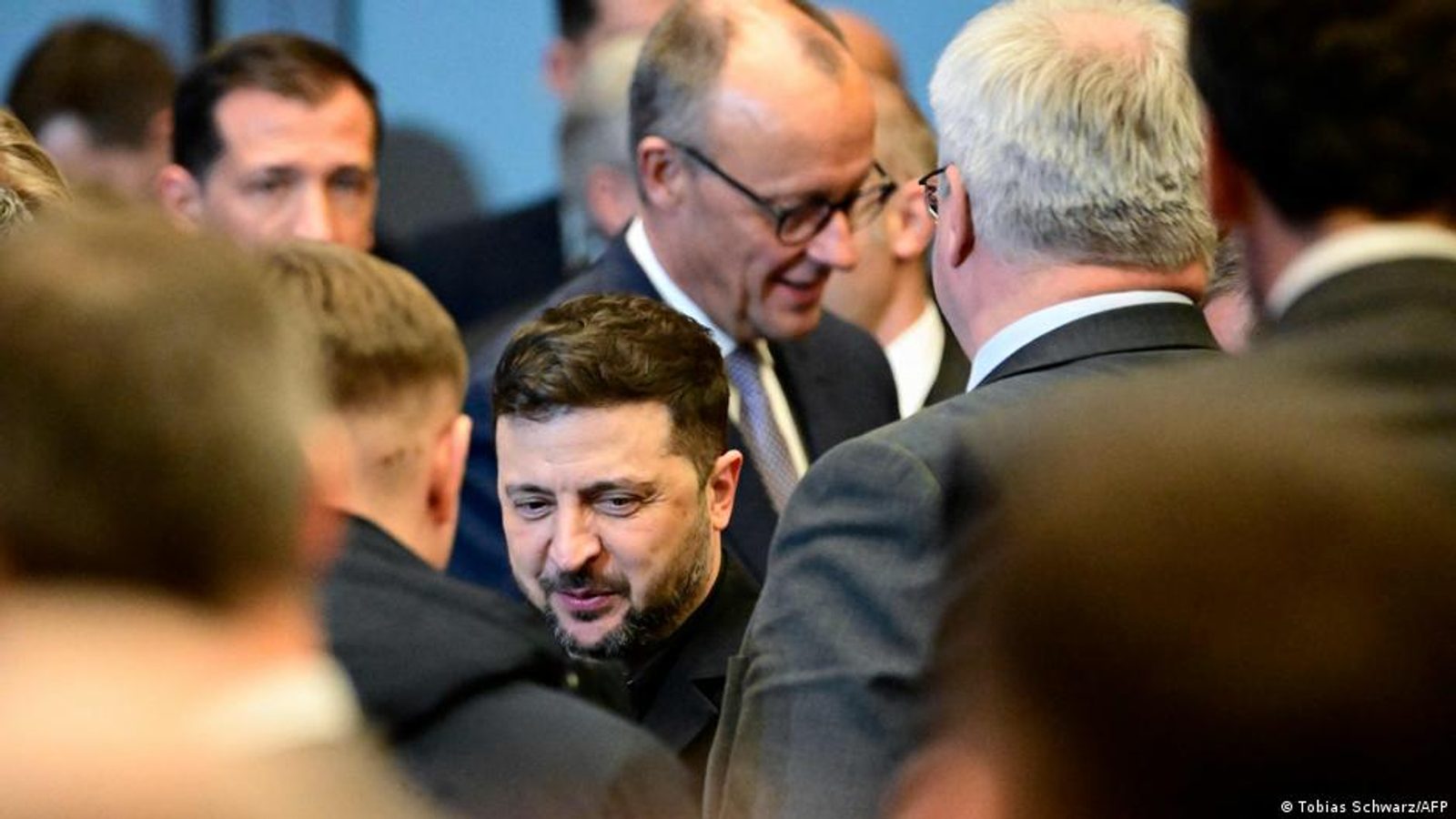
At the same time, senior government ministers have tried to contain the fallout. Interior Minister Alexander Dobrindt warned that the arrest of another suspect in Pula is not the final step in the investigation and emphasised that the rule of law will be followed. Foreign Minister Johann Wadephul underlined that German prosecutors have "completely free hands" and said the justice system is prepared at any time to explain its work to Ukraine.
SPD MP Daniel Baldy dismissed suggestions of a cover-up, saying: "Nothing is being swept under the rug." He urged patience until a final judicial decision is reached, warning that a court finding of Ukrainian state involvement would be damaging not only to public sentiment in Germany but also to German‑Ukrainian relations — and could have consequences at the highest political levels, including questions about compensation.
Photo: press material from the event