From sapling to table: Prespa’s apple sector under climate stress
Growers warn that late frosts, hail and weak market prices are shrinking yields and incomes in the Prespa apple region.
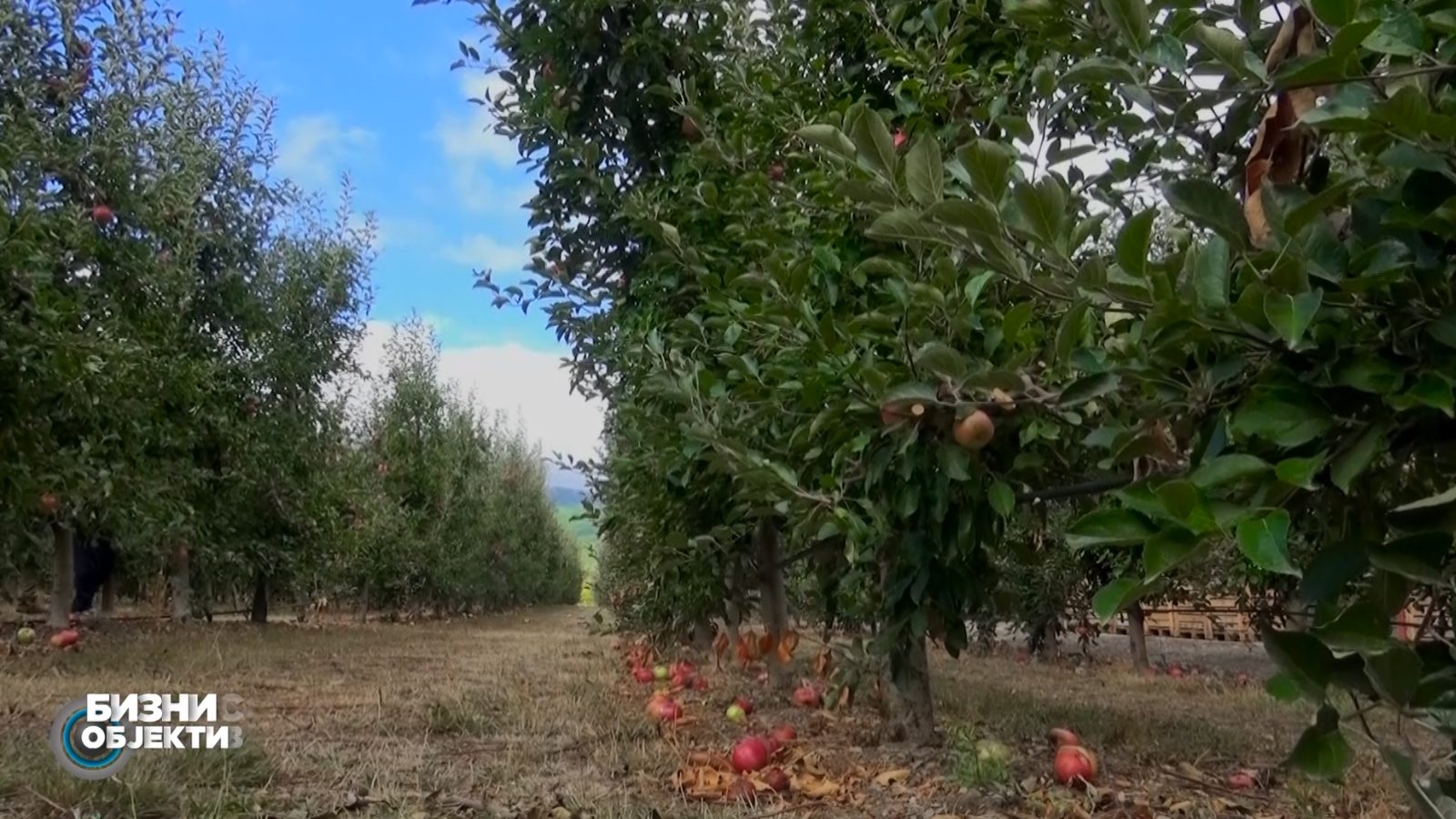
Prespa’s apple growers say their work is a year‑round enterprise: from planting a new orchard to the first full harvest takes years, and trees can feed families for decades. The region’s economy and local identity remain closely tied to the fruit, but farmers now face climate shocks and unstable markets.
Long timelines, thin margins
“The very beginning is 5 to 7 years until the tree reaches full apple yield, and the tree lasts approximately 35 years bearing fruit. It literally takes two generations in one family to cultivate the apple trees, to cover production costs, to be able to cover personal expenses,” says Ljube Pampulevski, a fruit grower from Prespa.
Growers describe a continuous cycle of work: winter pruning and fertilising, spring preparation for bloom, then months of protection, irrigation and thinning before the October harvest. Weather during flowering — and pollination by bees — is a decisive factor for fruit set.
“What farmers do is winter pruning, winter fertilising, preparing the trees for spring, for flowering. Weather conditions are very important for the pollination of the apple blossom by bees; the better the conditions, the better the fruit set. And we start with protection, irrigation, additional fertilising, removing shoots, thinning the apples… Then comes the period of shoot clean‑up in June, July, irrigation, protection, all the way to harvest in October,” Pampulevski adds.
In recent years climate change has become a major threat. Late spring frosts and hail have repeatedly damaged yields. “In recent years, because of climate change, because of late spring frosts we had decimated production, and this year as well, unfortunately. I will emphasise: in ideal conditions producers and orchardists in Prespa can easily reach over 200,000 tonnes of production. This year, unfortunately, because of what I mentioned earlier, we expect a crop of 50 to 60 thousand tonnes,” Pampulevski says.
Even when the harvest is decent, selling the fruit is another struggle. After picking comes a long chain — buyers, traders, storage and processing capacity and markets — and a good crop does not automatically mean good income for the grower. “At the moment the price of industrial apples is 4 denars; that does not satisfy because last year the price was 8 to 10 denars. During spring, in May, it was 8 denars. The opening price does not meet growers’ expectations, which is 4 denars, and we need state support in any case. Table apples are currently around 25 denars for first and extra class for varieties such as Golden, Red Delicious, Mutsu and the autumn varieties Gala, Idared. In this situation, right now we have a difficult season announced for apple sales, despite the small crop,” Pampulevski warns.
Producers also say the region needs a radical shift toward more sustainable practices to protect Lake Prespa and the local environment. Reducing pesticide and water use while maintaining yields would help secure both livelihoods and fragile ecosystems. From sapling to table, every apple carries the story of families, tradition and a sector under pressure.
Photo: press material from the event