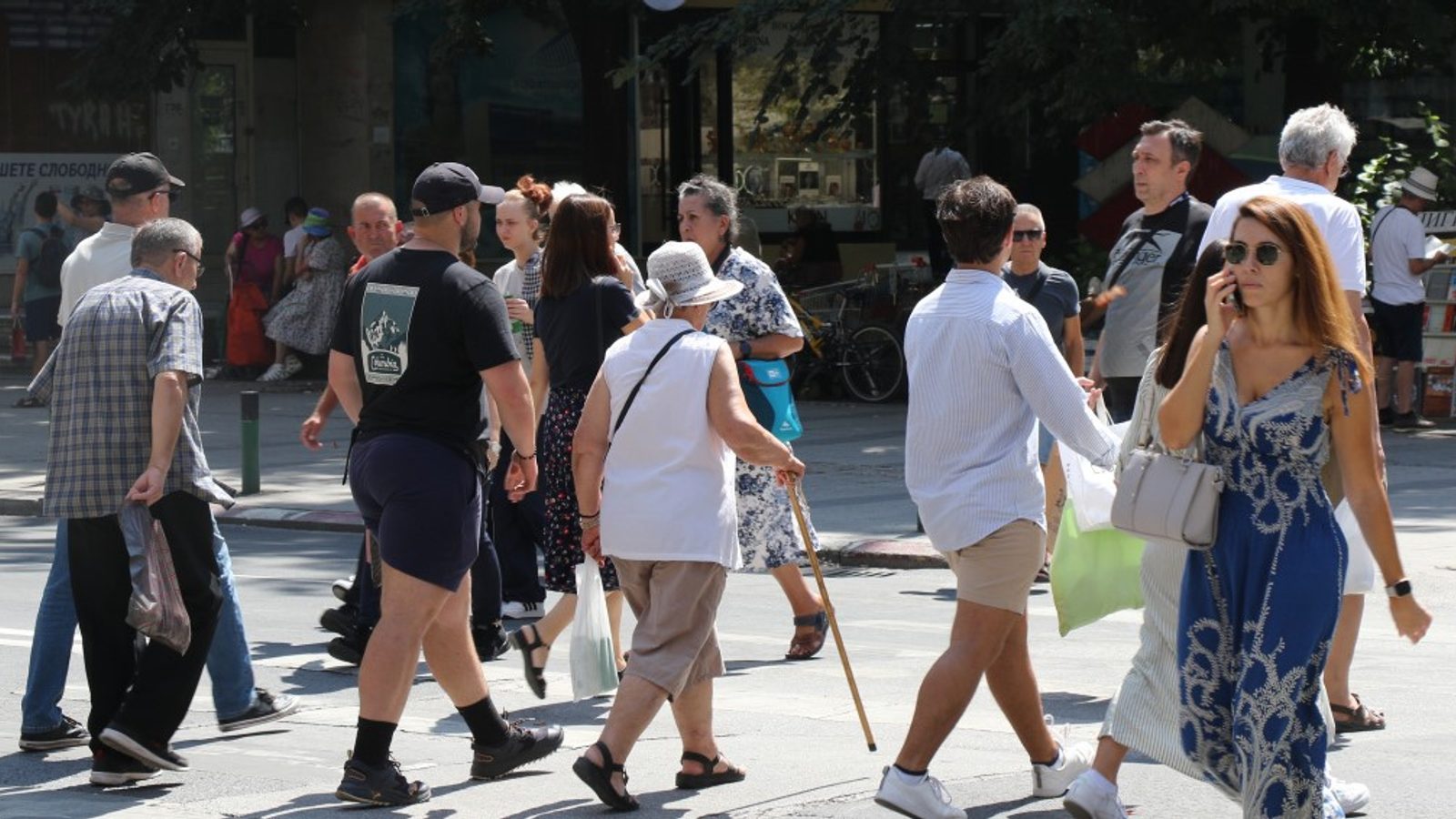
More women die in heatwaves — scientists point to exposure and work conditions
Researchers say exposure, work and social conditions — not biology alone — explain why more women die in heatwaves.
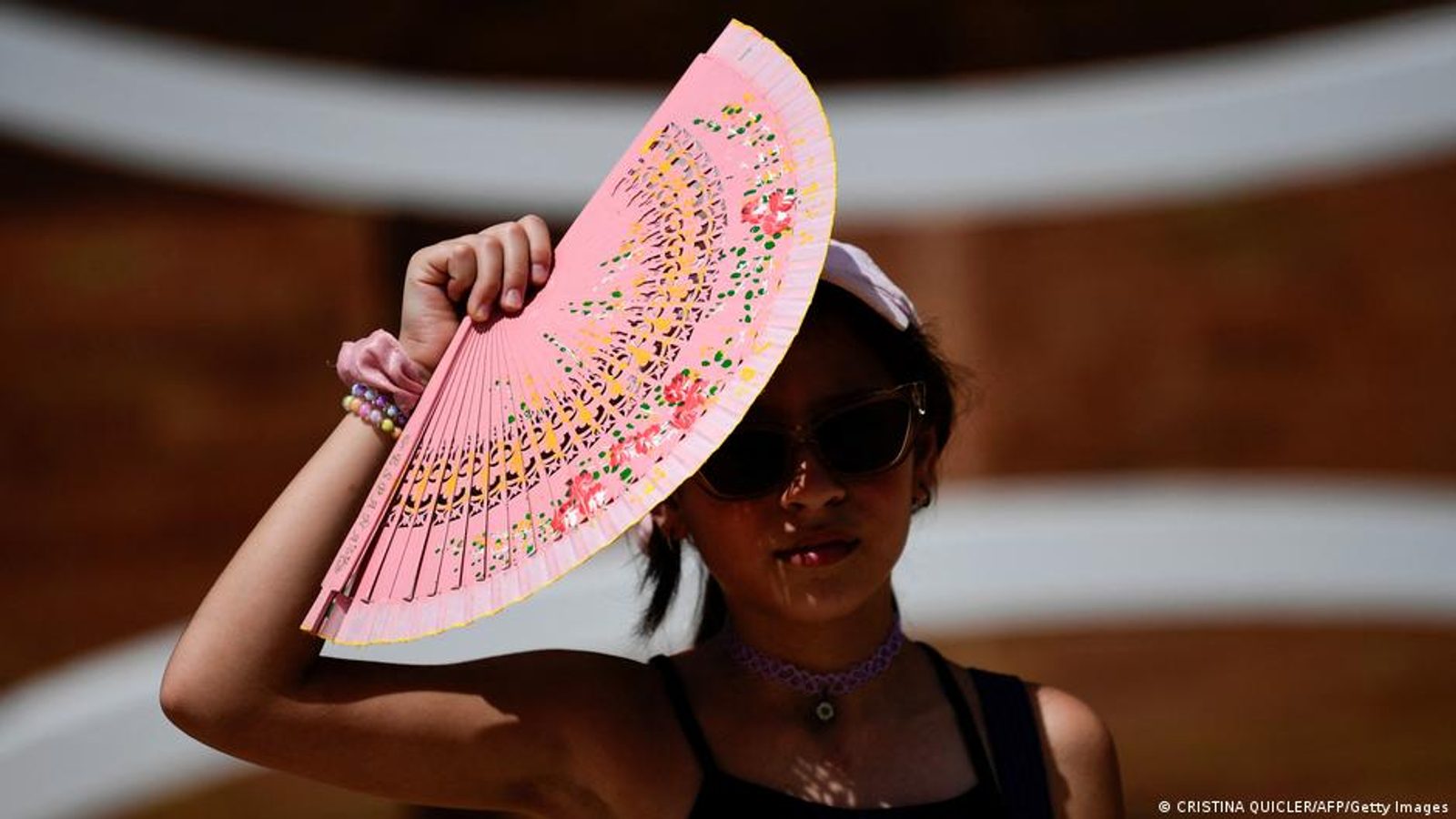
A recent comparative analysis found that during the hot summer of 2022 across 35 European countries women experienced 56 percent more heat-related deaths than men, a disparity researchers now attribute mainly to social and occupational factors rather than inherent biological differences.
Germany recorded an unusually lethal heat season: the Robert Koch Institute reported that by mid‑July the country had seen nearly 9,800 heat‑related deaths — the deadliest series of heatwaves since 2016 — and women represented a larger share of those fatalities. The institute links that higher number partly to the fact that women make up a bigger proportion of the oldest age groups.
Scientists point to exposure and work conditions
Researchers who study human responses to extreme heat say popular hormonal explanations are often overstated. "In general, studies most often show only a slightly greater sensitivity to heat in women compared with men. That is actually not a particularly strong indicator," says Alexandra Schneider of the Helmholtz Institute in Munich. Small physiological differences exist — women typically sweat less, have a different skin‑surface‑to‑body ratio and distinct fat distribution — but those do not, on their own, explain the large gap in deaths.
Experts identify the most vulnerable group as older, post‑menopausal women with pre‑existing cardiovascular disease. Schneider warns, however, that "the living conditions and the social environment in which women live probably represent a greater risk than the hormonal differences themselves."
Other researchers emphasise work patterns and unpaid care burdens. Lori Parsons of Royal Holloway, University of London, has documented that in sectors such as construction, garment factories, agriculture, transport and street vending, women spend between 30 and 50 percent more of their working time above the threshold for heat stress than men; when women and men perform the same tasks in construction, that exposure rises to about 50 percent. Heat also depresses earnings and productivity — Parsons notes roughly a 30 percent drop in output in garment manufacturing under heat stress — and many women substitute longer hours in the hottest part of the day, or lack the protections that formal employment can provide.
Toby Mindell, a professor at Brock University who researches human performance in extreme environments, argues biology is often "overplayed" in public debate. He notes that factors such as age, body size, fitness and habitual activity shape heat tolerance more than sex. Mindell explains that although women tend to sweat less, they often compensate by increasing blood flow to the skin: "They send a greater blood flow to the skin, that is, they activate vasodilation much better than men." He also stresses that pregnancy does not necessarily make women more heat‑sensitive: "As a woman progresses through pregnancy, her body actually becomes better at coping with heat."
Photo: press material from the event