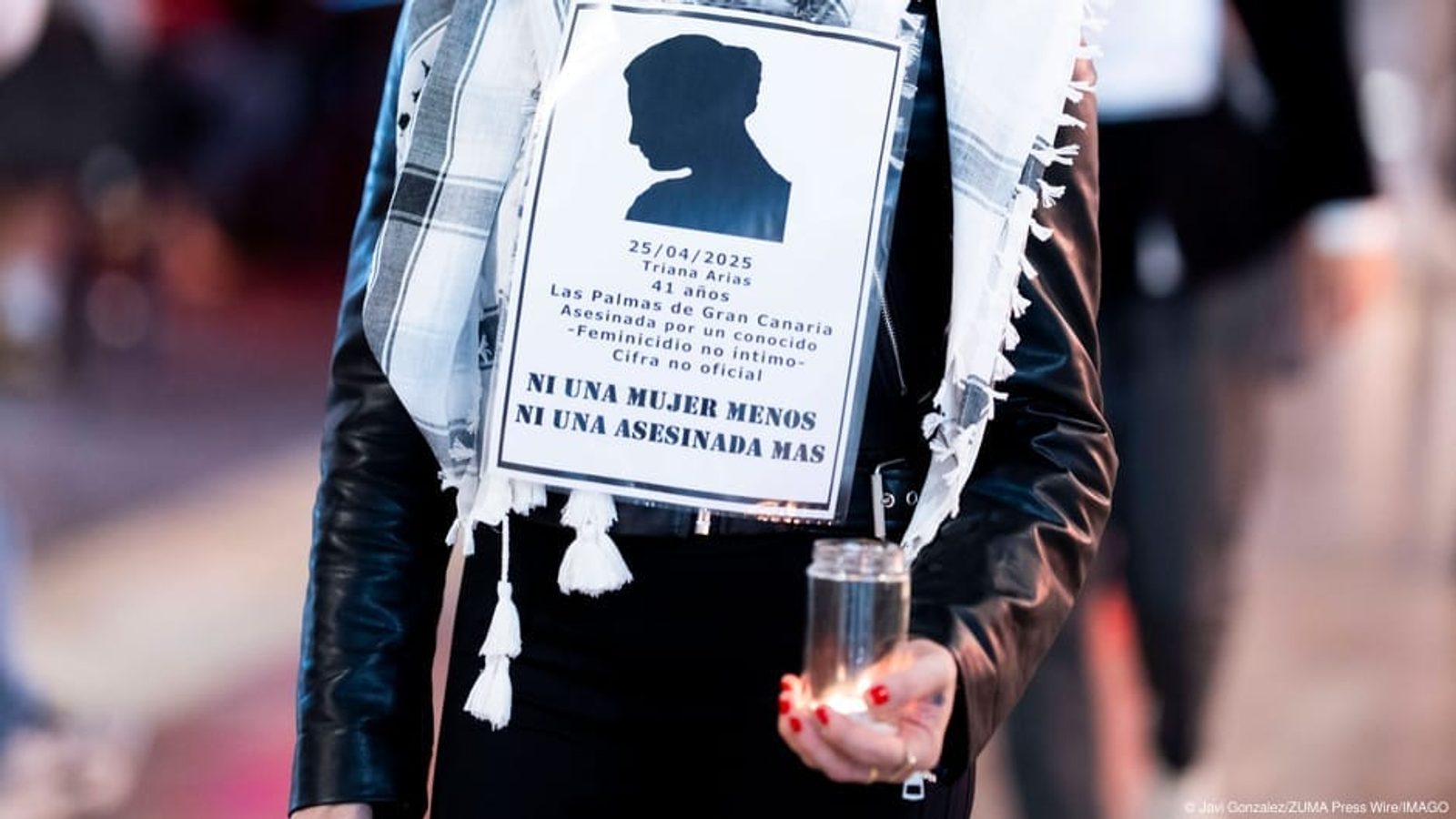
UN: 60% of 2025 femicides committed by partners or close relatives
UNODC and UN Women report finds about 47,000 women and girls killed by intimate partners or family members; the home is the most dangerous place.
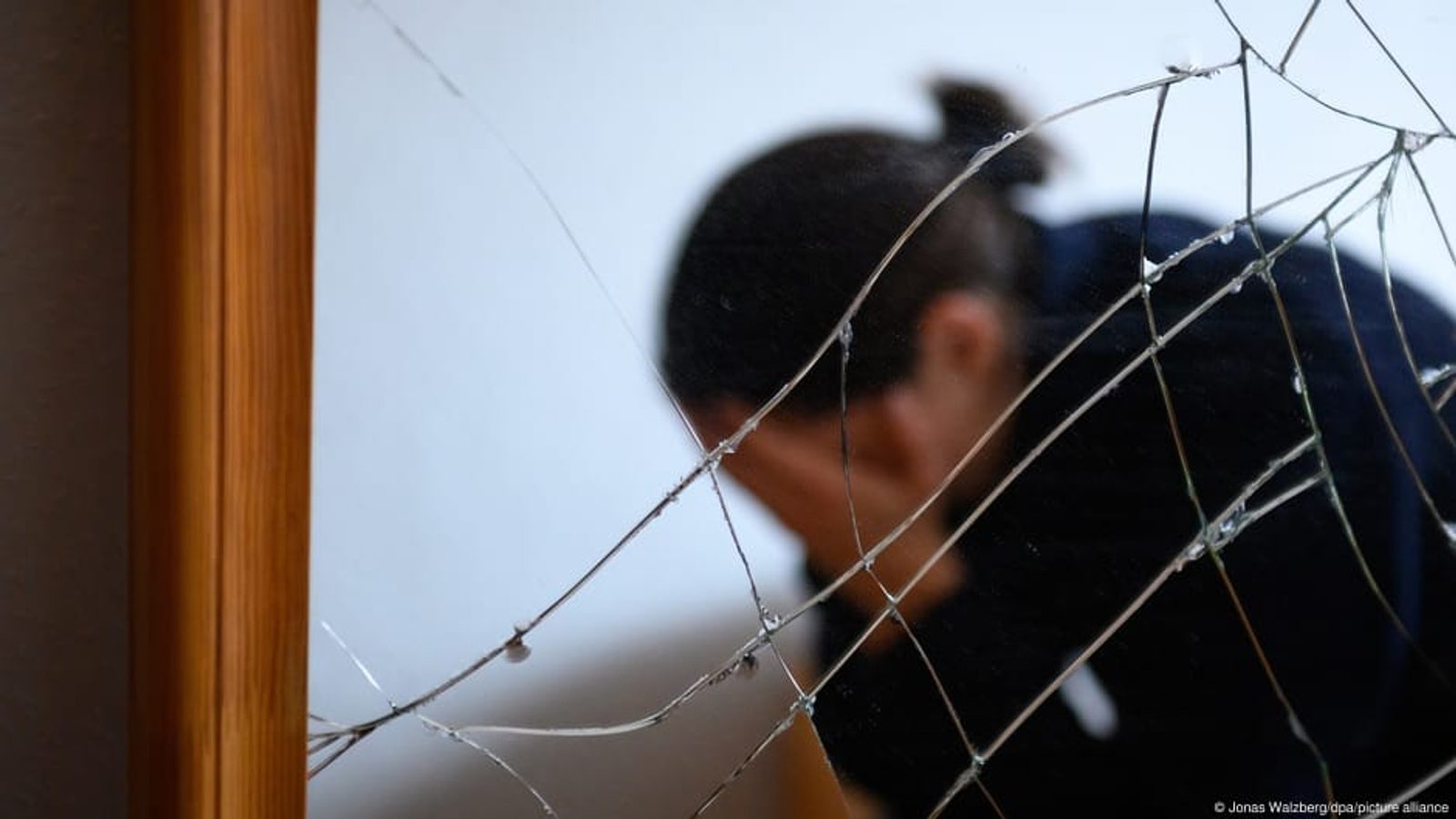
A new UN report released ahead of the International Day for the Elimination of Violence against Women (25 November) finds that most femicides recorded in 2025 were carried out by intimate partners or close family members.
Key findings and regional differences
The joint study by the UN Office on Drugs and Crime (UNODC) and UN Women estimates 78,000 femicides worldwide in 2025, of which about 47,000 were perpetrated by a partner or other family member. That means roughly 60 percent of the total. On average, 129 women die each day as victims of violence within the intimate or family circle.
The report highlights stark regional variation: the number of victims is particularly high in Africa, while Europe remains comparatively safer for women and girls. Although global homicide rates have fallen overall, the decline in femicides has been slower — in Europe, homicides fell by 43 percent between 2010 and 2025, while femicides fell by only 28 percent during the same period.
UNODC Director Monica Juma called for concrete action, warning that entrenched social attitudes and institutional failures are enabling deadly violence at home. She said: "We have been seeing alarming numbers for too long. Disturbing attitudes, social norms and failures of institutional protection mechanisms create an environment in which it is considered 'acceptable' to kill a wife, daughter, mother or sister."
Sima Bahous, Executive Director of UN Women, urged immediate measures to protect survivors and hold perpetrators to account: "We must act urgently to ensure that no warning sign is ignored, no survivor is left unprotected and no perpetrator escapes accountability."
The report stresses that the home remains the most dangerous location for women and girls and calls for long-term prevention strategies to change harmful social norms and strengthen protection mechanisms.
Photo: press material from the event