UN and WMO warn El Niño could be strongest in about 70 years, last to February 2027
UN and WMO warn rising Pacific temperatures may produce an El Niño rivaling events since 1950, with wide impacts into 2027.
The United Nations and the World Meteorological Organization have issued stark warnings after recent Pacific measurements signalled a rapidly strengthening El Niño that experts say could become the most powerful in roughly 70 years and persist at least to February 2027.
Rising sea-surface temperatures in the central and eastern tropical Pacific have climbed well above long-term averages in recent months, a key marker for El Niño. In the primary monitoring region, surface temperatures have been more than two degrees Celsius above average and models indicate monthly values could approach four °C above normal — a level that would rival or exceed events since 1950.
Global knock-on effects expected
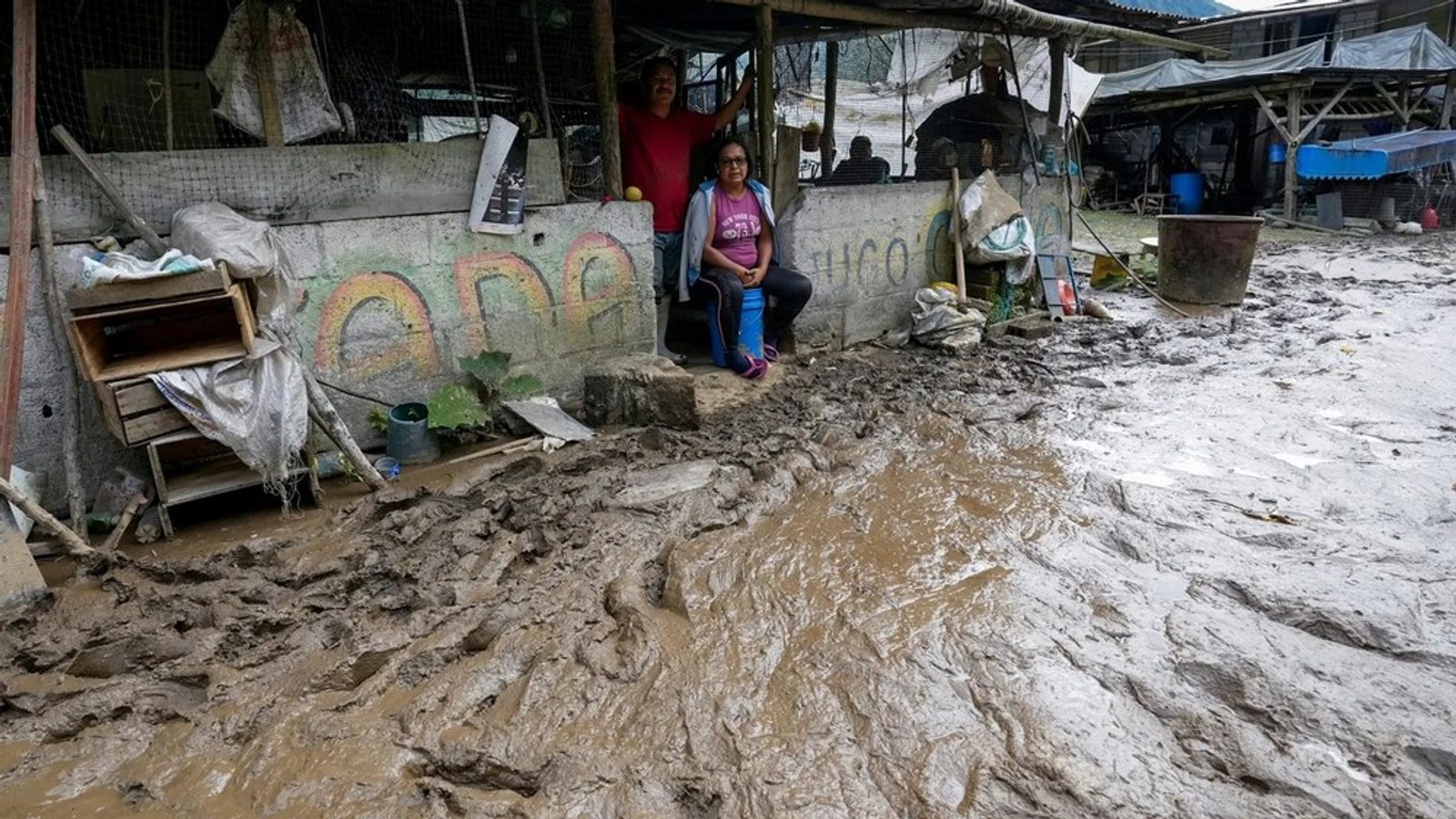
El Niño reorganises global weather patterns: some areas face elevated risk of drought and fire, while others may see intensified tropical storms and flooding. Forecasters also warn that El Niño will add to local heat extremes, pushing temperatures higher in many regions.
The World Meteorological Organization says it has mobilised to spread forecasts and early warnings as widely as possible. "El Niño has the potential to deliver a huge blow to communities and economies around the world," warned the WMO Secretary-General, Celeste Saulo.
United Nations Secretary-General António Guterres also sounded the alarm on the broader climate context: "El Niño is strengthening before our eyes. Science leaves no room for doubt: the planet is in uncharted waters, and those waters are warming," he said, underscoring the overlap between natural variability and long-term warming trends.
Beyond the tropical Pacific, ocean temperatures above normal are expected in parts of the Indian Ocean, the tropical Atlantic and off some Australian coasts. Climate agencies say the coming months are likely to bring drier conditions across large swathes of Southeast Asia and Central America and in the northern parts of South America, raising the prospect of more severe droughts and wildfires while other regions contend with heavier rains and storms.
Photo: AP)