Germany's operational plan tested as Bundeswehr stages "Red Storm Charlie" in Hamburg
A large-scale drill in Hamburg (24–26 Sept 2026) rehearsed the transit of NATO forces and highlighted infrastructure and secrecy challenges.
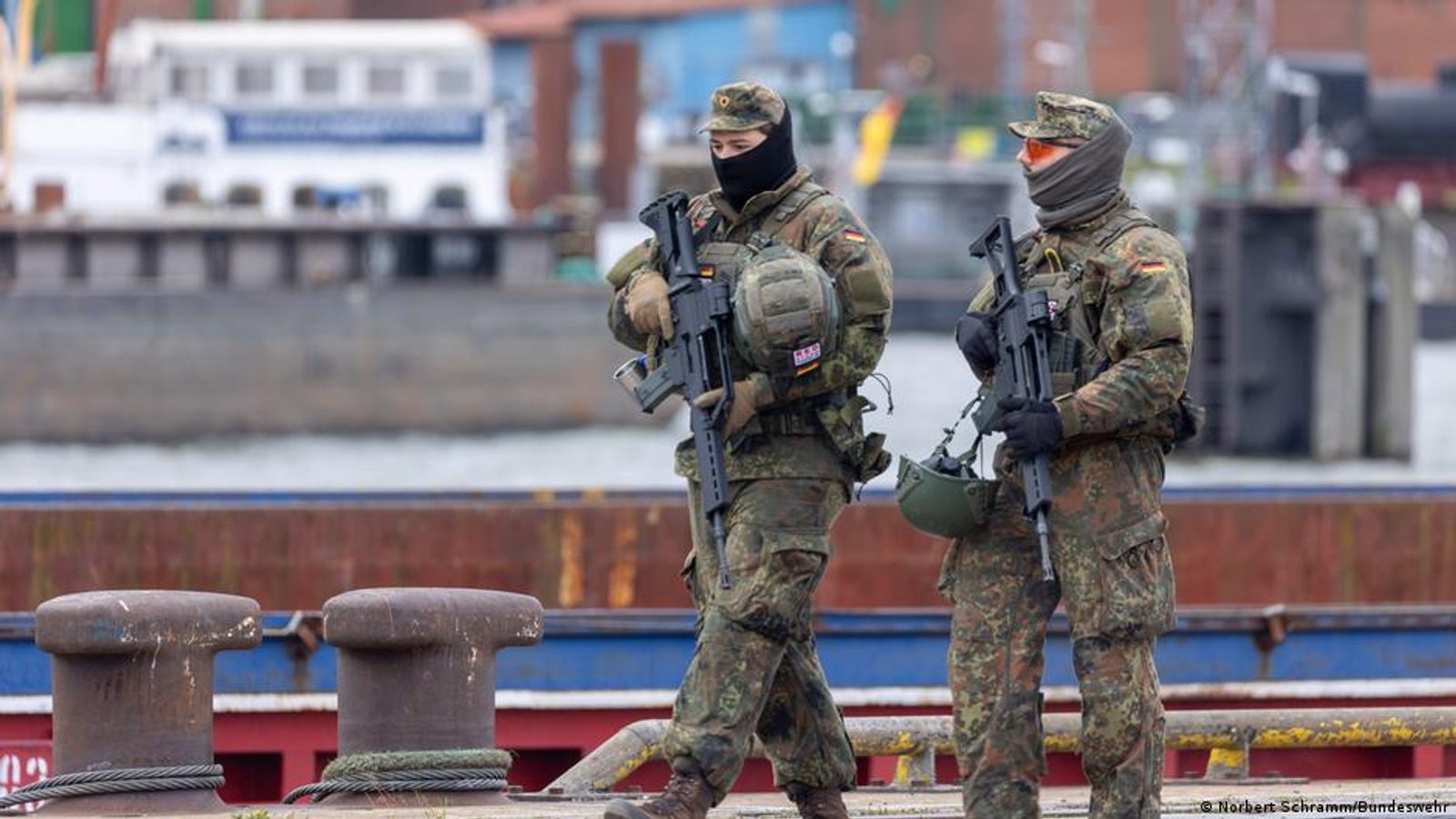
Night fell over parts of Hamburg while helicopters circled and columns of military vehicles moved through otherwise quiet streets. The exercise, called "Red Storm Charlie," ran from 24 to 26 September 2026 and involved about 1,700 participants, including some 500 soldiers. For three days the Bundeswehr, police and civilian organisations simulated the deployment of NATO forces through a major German port and the challenges those troops could face in an urban environment.
Organisers say the drill is a practical test of a classified document commonly referred to as the Germany "Operational Plan." The plan sets out how Germany would function as a transit and logistics hub in the event of a crisis involving NATO territory, including which ports and routes would be used for incoming forces.
"It is an extremely detailed and strictly confidential plan that determines where NATO allies should disembark in Germany, especially which ports, and which routes would be required for transit across the country," says Aylin Matle, a security expert at the German Council on Foreign Relations.
Germany as a logistics corridor
Planners estimate that, in a Baltic scenario, forces from across the alliance would transit through Germany. One working calculation cited by officers who helped draft the plan assumes around 800,000 troops and 200,000 vehicles would need to move across the country within six months. "We must ensure that troops can safely use our roads and ports. That's why we take care of all their needs such as accommodation, food, security and guidance through our road network," says Marcel Bonert, the Bundeswehr officer who contributed to the initial version of the plan.
The document is also presented as part of deterrence. The move to revise and practise the plan intensified after Russia's full-scale invasion of Ukraine in 2022 and following a failed drone attack at Leipzig airport in early August 2026 that Berlin attributes to Russian actors. "The threat is becoming more concrete. It is serious, acute and increasingly visible. That is precisely what the Russian president wants. Moscow is testing our reaction," Defence Minister Boris Pistorius told the Bundestag on 23 September. Authorities even deployed a bomb-disposal robot after the Leipzig incident.
Experts warn Germany's ageing transport infrastructure is a bottleneck. Matle cautions that many bridges and transport corridors date from the Cold War era and were not built to carry the sustained heavy loads required for modern military convoys. Upgrading those routes is a pressing task, she argues, if Germany is to perform its logistical role.
Secrecy is another tension. Sensitive transit routes cannot be widely published for fear of sabotage, yet the plan depends on cooperation with cities, municipalities, police and humanitarian actors. Security analysts have also raised concerns about the rise of the pro‑Russian Alternative for Germany (AfD) in regional politics and whether sensitive excerpts could be exposed. The Defence Ministry says no federal state receives the plan in full; only selected excerpts are shared with relevant partners.
Photo: press material from the event