Six chambers and nine tunnels discovered under Hagia Sophia in Istanbul
Restoration works in Istanbul have exposed underground rooms, a hypogeum and 420 metres of tunnels; dating the remains will require further study.
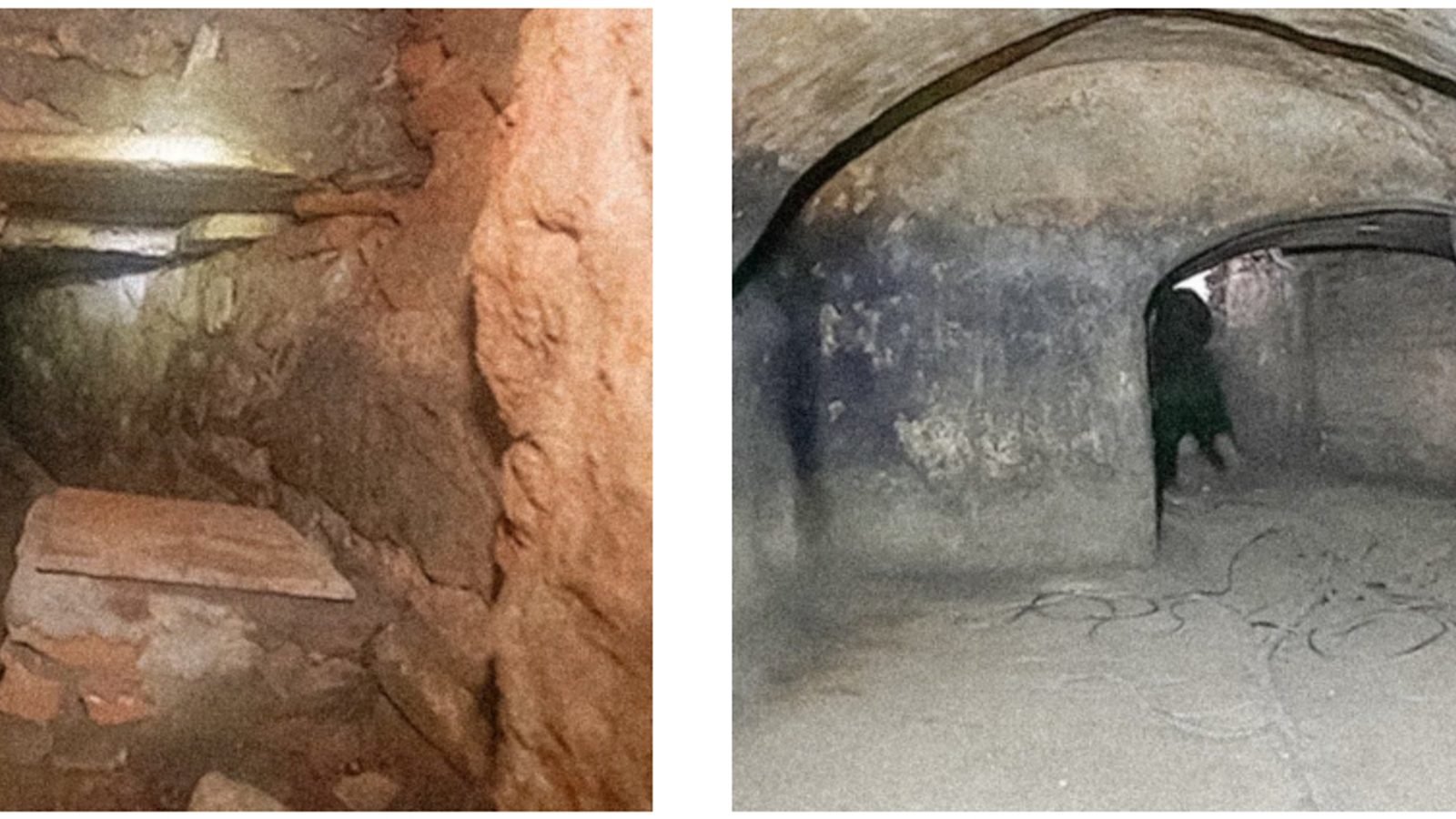
Archaeologists and restorers in Istanbul have uncovered six underground chambers and nine tunnels beneath Hagia Sophia, along with nearly 3,000 tons of excavated soil and fill that reveal previously unknown layers of the site's long history.
New passages, old foundations
So far, workers have cleared 420 metres of subterranean tunnels; seven of the nine passages have been emptied of accumulated material and are being documented, while the remaining two are currently being surveyed and measured. The longest cleared tunnel runs 180 metres and is being examined for a possible connection with what researchers call the Roman road of Constantinople.
In the western garden area investigators identified six separate underground rooms linked by nine tunnels. Three of those chambers are thought to have been underground parts of an earlier atrium or courtyard attached to the church complex. In other zones, teams are exploring long corridor-like structures measuring between 4 and 4.8 metres in width.
Turkish authorities say the work also revealed an underground funerary construction — described as a hypogeum — in the ministerial garden where teams excavated down to 1.5 metres beneath the floor level and found evidence for an earlier building phase.
The finds are being treated cautiously: the current Hagia Sophia building was erected under the Byzantine emperor Justinian I between 532 and 537 on the site of older Christian churches, but researchers have not yet determined whether the newly exposed remains predate that construction. Further scientific study and dating are planned.
Experts believe parts of the tunnel network formed elements of the city's broader water-management system, used for distributing water and draining rain — functions essential to maintaining such a large architectural complex. The excavations are part of a broad conservation and restoration programme described by Turkish officials as the largest intervention at Hagia Sophia since the founding of the Republic of Turkey. Authorities are considering opening some of the newly revealed passages to visitors.
Photo: press material from the event