Open Clash Between Brussels and Pristina: Kosovo Erases Serbian Prosecutors by Decree, EU Says It 'Appears Incompatible With the Rule of Law'
Acting President Albulena Haxhiu signed decrees dismissing seven Serb prosecutors, four years after their collective resignations.
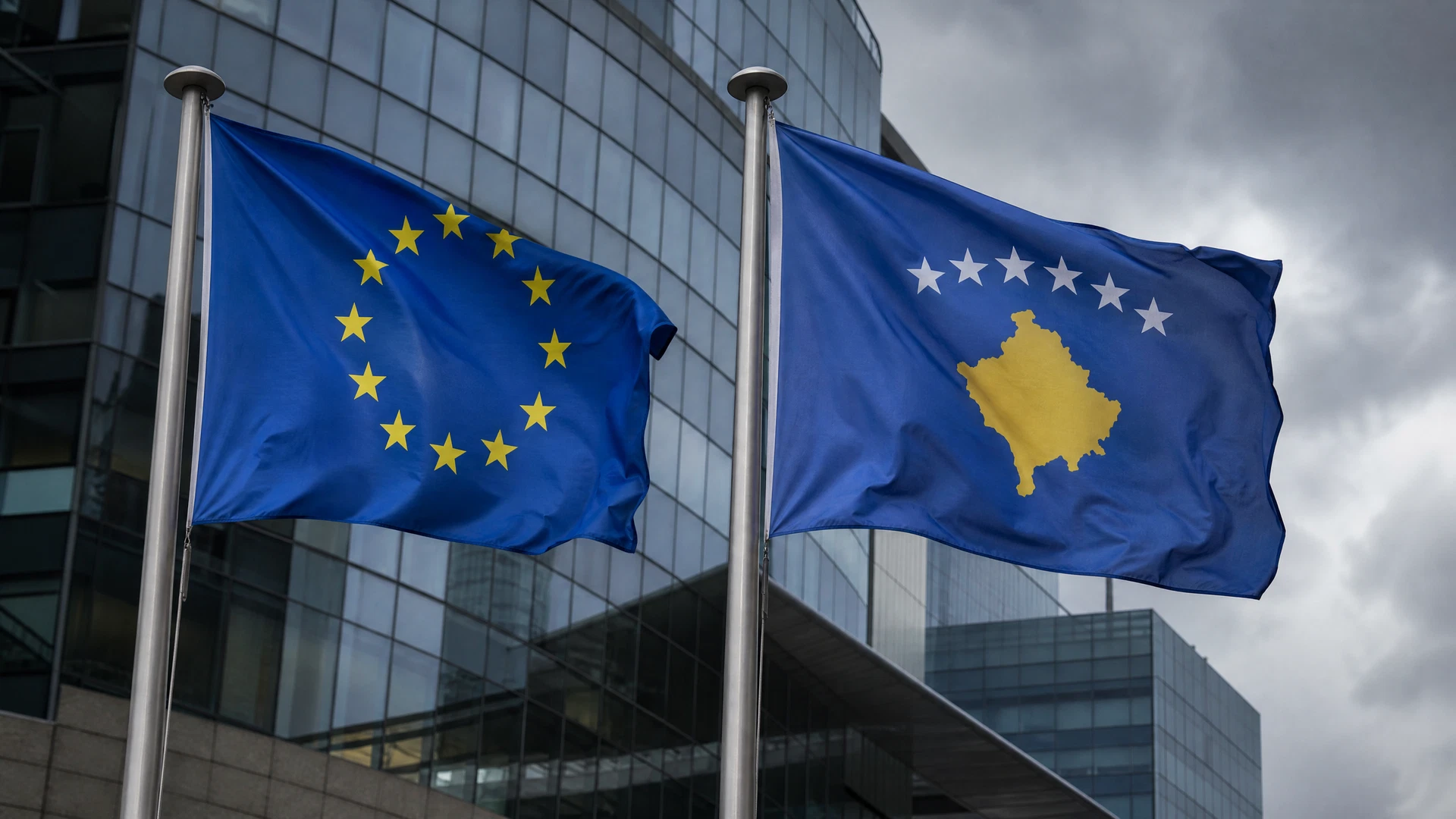
Relations between Brussels and Pristina have entered a new phase of tension after Kosovo's institutions definitively closed the door on Serbian prosecutors seeking to return to their posts, four years after the collective resignations of November 2022.
On Monday, the Kosovo Prosecutorial Council rejected the requests of five prosecutors and 15 administrative staff from the Serb community to withdraw the resignations they submitted in 2022. Just one day later, Kosovo's Acting President Albulena Haxhiu signed decrees officially dismissing seven prosecutors from the Serb community.
'This act concludes a process that has been going on for years and implements the decision of the competent institution, in accordance with the Constitution and laws of the Republic of Kosovo. No one can hold hostage the functioning of institutions or create legal uncertainty through unfinished processes,' Haxhiu wrote.
The European Union's reaction was unusually sharp. 'The EU is concerned by the decision of the Kosovo Prosecutorial Council to accept the resignations that had already been withdrawn and by the decision of the Acting President decreeing the resignations. This appears incompatible with the law, with due process and overall rule of law requirements in Kosovo,' said the spokesperson of the European External Action Service, calling on the institutions to refrain from actions preventing the reintegration of Kosovo Serb judicial personnel.
The US Embassy in Pristina also recalled that Kosovo's Constitution guarantees the representation of Serbs in institutions and that the government is expected to ensure equal opportunities.
The dispute is now taking on an internal dimension as well. Newly appointed Chief State Prosecutor Zejnullah Gashi admitted he had not been informed in time about the decision, stressing that 'colleagues from the Serb community should also be part of the prosecutorial system.' Some Council members, however, argue that the 2022 resignations were 'a personal and legal act with clearly defined consequences.'
The mass exodus from the institutions in November 2022 — when 144 members of the judiciary resigned, including 25 judges, along with 33 from the prosecution service, including 10 prosecutors — was a protest against Pristina's decisions on Serbian license plates. The new escalation comes at the worst possible moment: the EU-facilitated dialogue between Belgrade and Pristina is effectively frozen, and Brussels is now openly signaling that its patience with Pristina is wearing thin.